Daggerheart's drought of third-party content may be coming to an end
The foundations of Daggerheart might be built on star power but its future is built on community.

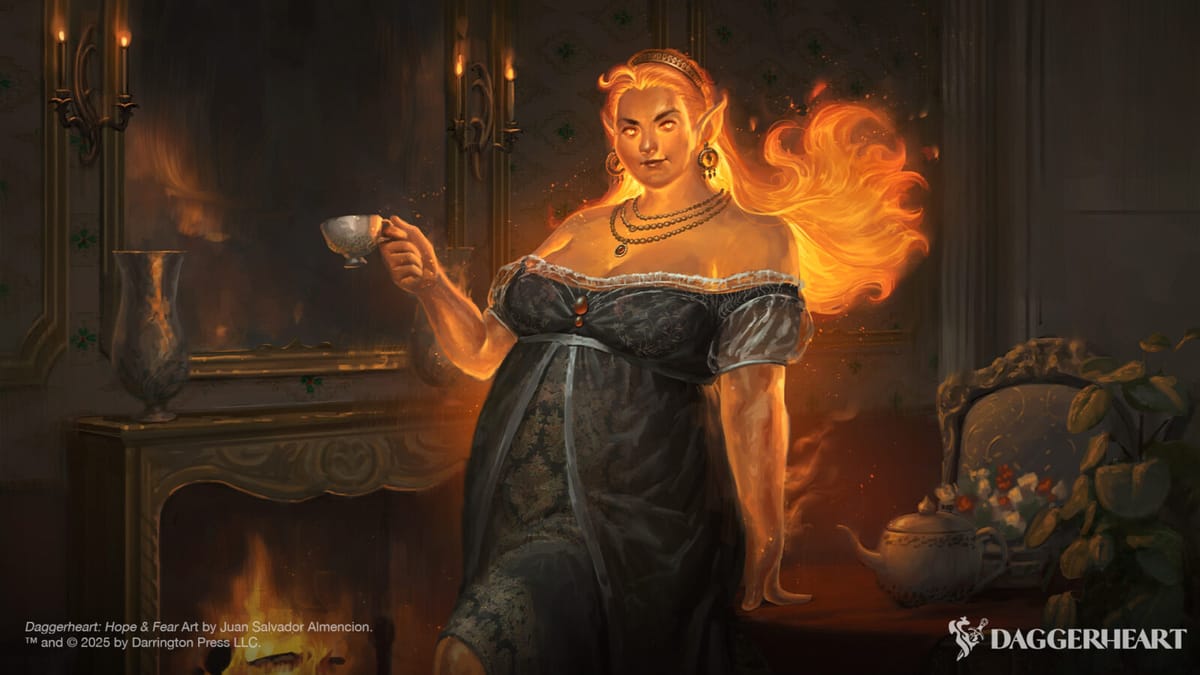
With the kickoff of Campaign 4, new seasons of its animated adaptations The Legend of Vox Machina and The Mighty Nein around the corner, plus a string of high-profile live shows celebrating the group’s 10-year anniversary, it feels the hype around Critical Role itself has hit a new high in 2025.
Perhaps it's inevitable that the biggest name in actual play’s take on a fantasy heartbreaker can’t help but feel like it’s something of a slower burn by comparison.
Originally announced in 2023 and published in 2025 by Critical Role’s publishing imprint Darrington Press, Daggerheart might be fresh out of the printers but it’s really the latest in a long line of D&D rivals that stretches back decades. Whether the system is primed to be the next Pathfinder remains to be seen though.
Over the long run, Daggerheart’s fortunes may have less to do with the talent responsible for the system’s creators and more to do with how much interest it can garner from those willing to build on and add to those foundations.
In my mind, there’s a natural similarity between the outsized role that Dungeons & Dragons occupies in the tabletop landscape and the one that Steam occupies when it comes to PC gaming. Like Valve’s digital storefront, Dungeons & Dragons is far from the only game in town. However, it’s been around so long that the ecosystem surrounding the game has become as much a draw as the platform.
For every “official” book that Wizards of the Coast publishes for the game, there are dozens if not hundreds of supplements, sub-classes and adventure modules out there. While homebrewing rules or lore has long been a part of the tabletop scene, it wasn’t until the third edition of Dungeons & Dragons that independent creators were able to carve out a meager living producing additional content for the world’s most popular fantasy roleplaying game under the Open Game License (OGL) agreement.
It’d be one thing if these supplemental materials were free, but the fact that the ecosystem that surrounds Dungeons & Dragons is an economy adds a natural stickiness to the game. In the same way that jumping from Steam to anything else – from the Epic Games Store to Itch.io – means saying goodbye to your existing collection of games, ditching D&D for a game like Daggerheart means giving up the sprawling sea of resources that orbit Wizards of the Coasts’ trademark title.
It’s hard to put a number on the value that this ecosystem of creators adds to Dungeons & Dragons’ enduring popularity. However, it’s easy to speculate on the role it plays in that staying power. For all the baggage that comes with Wizards of the Coast, D&D remains the best bet for TTRPG creators looking to reach the widest audience. That third-party support then helps that audience continue to grow by offering additional gameplay possibilities at a pace that no fantasy heartbreaker can realistically compete with.
It hardly feels like a coincidence that regions of the world where Dungeons & Dragons isn’t the default for tabletop roleplaying games are those where English isn’t the default language. In countries like Japan, the diminished advantages that the OGL provides might be part of why Dungeons & Dragons has largely lost out to the likes of Call of Cthulhu. In many other places though, it's easy to see the OGL as the secret sauce that has helped D&D dominate the tabletop landscape.
Given that, it’s no huge shock that Wizard’s recent attempts to revise that arrangement ruffled a few feathers. Back in 2023 a new draft of proposed changes to OGL were leaked to the public. If implemented, these would have imposed a new royalty structure for creators and granted Wizards of the Coast the right to use any third-party content without compensation. A swift backlash from the TTRPG ecosystem later led to Wizards of the Coast walking back the changes and placing the core rules for Dungeons & Dragons under a Creative Commons license. Even so, the damage was done and a whole new generation of fantasy heartbreakers was born – the most high profile of which is Daggerheart.
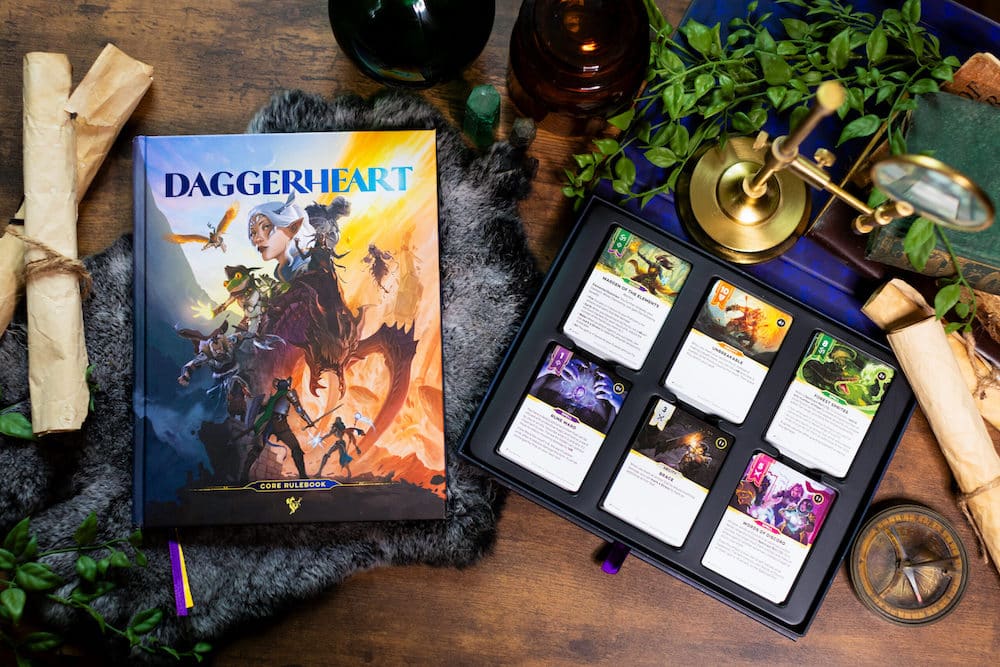
In addition to the involvement voice-acting talent associated with Critical Role itself, Daggerheart's designers include Spenser Starke – responsible for the Ennie-award winning game Alice is Missing – and John Harper – the designer of similarly-acclaimed Blades in the Dark – among others.
This pedigree was an inevitable part of what made the system an appealing one to invest in for creators like Xero Reynolds.
“Spenser Starke and everyone at Darrington did amazing things with Candela Obscura, and seeing the early passion he and Matt Mercer brought to the beta test for Daggerheart was infectious.”
After sitting down with the material throughout the test,Reynolds was convinced the system was “something special” and something that he wanted to tinker with.
He began producing content like NPCs and adventure modules for Daggerheart in early 2025 and is currently working on his first campaign frame for the system.
Although Reynolds remains enthusiastic about the system, he said that the process of converting content from D&D over to Daggerheart isn’t always straightforward.
“Either there's a similar mechanic in the new system that allows for a 1-1 swap, or you have to tap into your inner Frankenstein to cobble together things that are close enough to what the original's intent was,” he explained.
On the other hand, balancing difficulty across multiple TTRPG systems is a little bit more involved.
“It's like, sure, both systems are using math, but they're not using the same equations to reach their conclusions. Hell, they're not always using the same numerical base,” he said.
Reynolds admitted that making something entirely new from an established foundation will always be easier, but added that he does enjoy the challenge of converting content to a shiny new system.
“Luckily, there's a lot of recognizable TTRPG DNA to work with in Daggerheart, so figuring out the intent of a design choice isn't so byzantine,” he said.
It’s a similar story for the author behind The Prism Plains, who goes by the online handle 'Salts'.
Unlike Reynolds, they had never written any material for any TTRPG prior to producing content for Daggerheart.
“I've read a lot of D&D alternatives but never really got into them. Daggerheart was the first one that hit just right for me with a light amount of rules but still heavily adaptable and fiction focused, so it's been fun to try to create for,” they said.
Prism Plains was one of the first fully-featured third-party adventure modules available for Daggerheart available on DriveThruRPG.
According to Salts, the project has borne out of dissatisfaction with the limits of the quickstart adventure available on the Darrington Press website.
“I think the biggest issue I had with the Quickstart Adventure that [Darrington Press] provided is that the adventure itself isn't really catered to the pre-made characters that are available in the adventure, so there's no real reason to have those specific characters,”
By comparison, Salt’s own adventures are a bit more focused on giving players more specific reasons to show off their respective specialisation.
“I think the primary idea was to let GM's have more options for "quick" games for conventions or teaching new players, so I wanted more variety in the options for the GM's to pick,” they explained.
Off the back of early adopters and independent creators like Reynolds and Salts, larger RPG publishers are now eyeing the excitement around Daggerheart as an opportunity.
At the time of writing, the most high-profile project that fits this bill is City of the Black Rose.
Published by Roll & Write press and produced by the talent behind the 3 Black Halflings podcast, the book promises to bring a gothic fantasy setting to life in a way that’ll play nice with not just Dungeons & Dragons and Daggerheart but any RPG system.
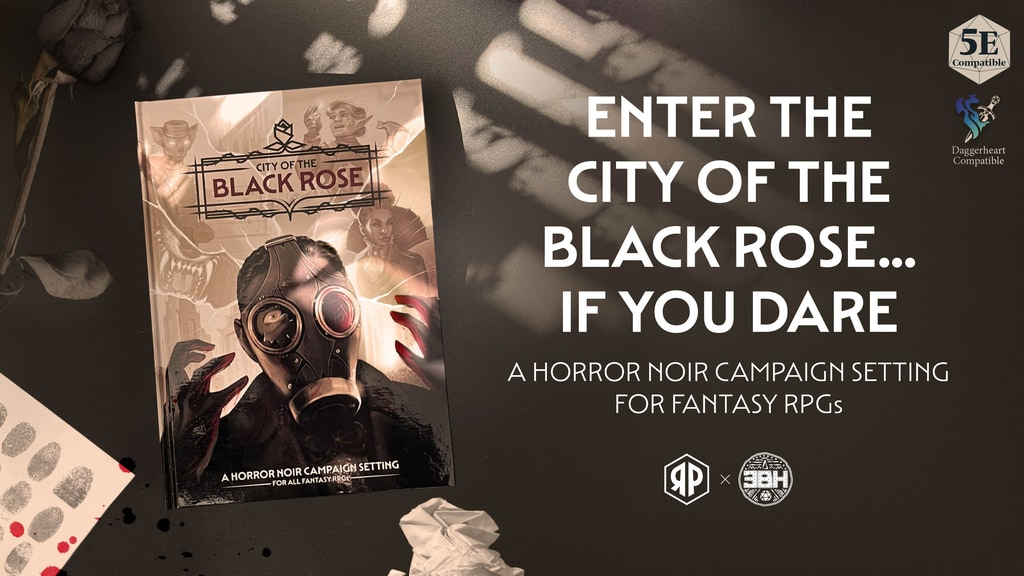
Interviewed about the project, GM Jeremy Cobb explained that – like many others – his initial interest in Daggerheart was borne out of the association with Critical Role. However, it wasn’t before the playtest rules hit the internet and Cobb's relationship with the game became a bit more involved.
Compared to the other systems that the OGL controversy created, Cobb said that Daggerheart seems to have taken the D&D formula and mixed it with a lot of non-D&D systems that are more story based.
“It's D&D that is perhaps more well suited to the way that a lot of the people who are part of the latest wave of players play D&D – which is a lot of emotional or long conversations, rather than like the just goofy quests and whatnot,” he said.
According to Cobb, a large part of the process of writing the City of the Black Rose involved stripping away the D&D-specific elements that had been baked into the setting.
“When it comes to City of the Black Rose, I wanted people to be able to use this setting in whatever fantasy RPG they wanted. It was originally created for a D&D home game so there's a lot of D&D influence in it,” he explained.
More than just renaming the proper nouns, Cobb is completely redoing the religions in the setting. The challenge here was making the world feel vibrant and rich in culture and a specific sense of identity while still offering enough flexibility that you could apply alternative rule systems to it.
“It's about trying to make sure that the main things that define the world are not mechanical, but that they are more the feel and the vibe of it. You can run just about any fantasy RPG that you want in a dark magical Gothic horror noir metropolis if you really wanted to,” he said.
Cobb found that the lack of exact equivalents between the two systems when it comes to character creation was a sticking point for some players but argued that this challenge is part of the draw.
“I think that I think part of the exciting thing about Daggerheart being such a new system is that everybody's kind of figuring out the best way to really play it, right?,” he said
Likewise, when it comes to things like designing adversaries and balancing Daggerheart’s unique mechanics like the fear economy, Cobb said that it’s already clear that there are different ways of approaching balance. He highlighted the way that Matt Mercer used an abacus to track fear in the recent Age of Umbra series as a fascinating way to play mind games with players.
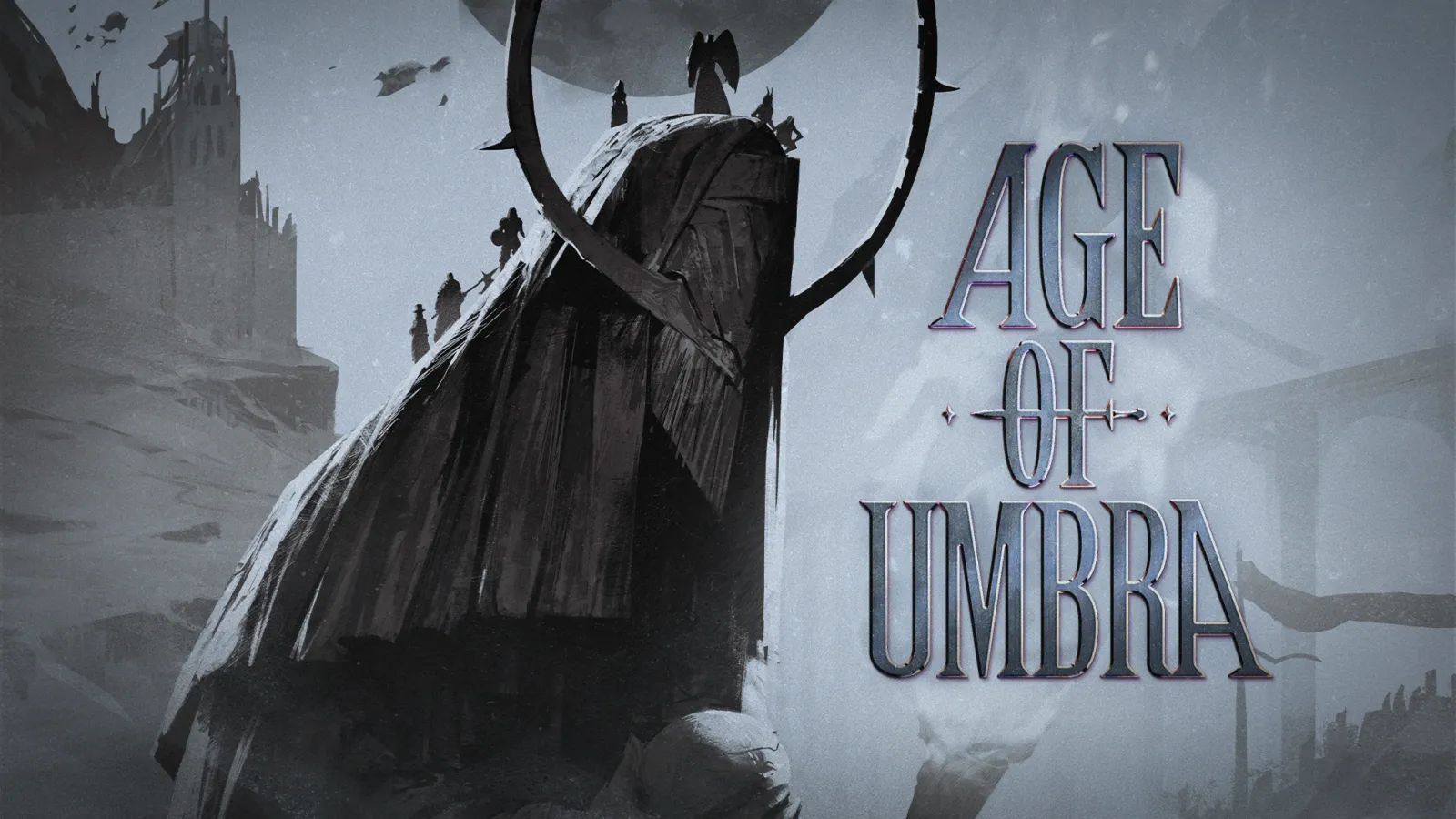
“I love that idea that there's a visual representation of just how screwed you are whenever he decides to start using it and that it's a sword of Damocles hanging over the player's heads that you can see visually represented,” he said.
More broadly, Cobb called out the way that these mechanics can be used to hand over additional agency to the players.
“It's not just me telling you what happens. It's not just you telling me what happens. It's not just the dice telling us what happens. It's all of us together – including the dice – coming up with pieces of this story. I think what fear and hope does, and the fear system does is give the [Game Master] opportunities to grab the reins just built-in,” he said.
Rather than reserving the question of ‘how would you like to do this for moments of triumph’, he suggested Daggerheart GMs offer players the chance to exert agency over the consequences of a failed fear roll.
“The fun that I've had running it so far makes me want to play it more and see what other things I can try to explore the system and exploit aspects of the system to make things more exciting for everybody involved,” he said.
If the similarities between Daggerheart and D&D are what gets people to try the former, it’s the differences that might give the system the staying power that those behind the game are seeking out.
The foundations of Daggerheart might be built on star power but the future of the system may well rely on Darrington Press’ ability to cultivate a content creator ecosystem that extends out beyond it. Even if the imprint have already encountered some friction between its community and the way it’s looking to operate its equivalent to WOTC’s OGL, it says a lot that the avalanche of announcements for Daggerheart that arrived during the most recent GenCon had less to do with the system itself and more to do what other creators are looking to add to it.
Critical Role’s moonshot RPG might not end up in an episode of Stranger Things anytime soon but the idea that Darrington Press could be the next Paizo is looking more plausible by the day.