Has the extraction shooter finally hit the mainstream?


Is Arc Raiders the breakout hit that Tarkov-types have been waiting for?
My guest for this issue of Multiplier is Rick Salter, the co-founder and creative director of Hojo Studio. In addition to developing homegrown indie releases like The Godfeather and Inflatality, Salter is also part of the State of Play NSW Indie Games Advisory board. You can find follow Hojo over on X and Bluesky.
Fergus: Ever since Escape from Tarkov made its way into wider gaming consciousness, there's been this expectation that extraction shooters made in the same mold are the next battle royale in waiting. There have been no shortage of attempts to bring the subgenre to a wider audience, from indie titles like to Bungie's rebooted take on Marathon.
It's early days, but Arc Raiders seems poised to be the game that puts that theory to the test. Aside from a few outlying reviews calling attention to the way that the developer behind the game has used AI, the critical reception for the game has been generally pretty positive and the initial take-up by players was positive enough for developer Embark to celebrate 700,000 concurrent players at launch.
By most metrics, Arc Raiders is a success. Whether that hype will translate into staying power is another question. In either case, the outcome will tell us a lot about whether the game really is the breakthrough extraction shooter that advocates for the genre have been anticipating or just this month's multiplayer game of choice? What do you reckon?
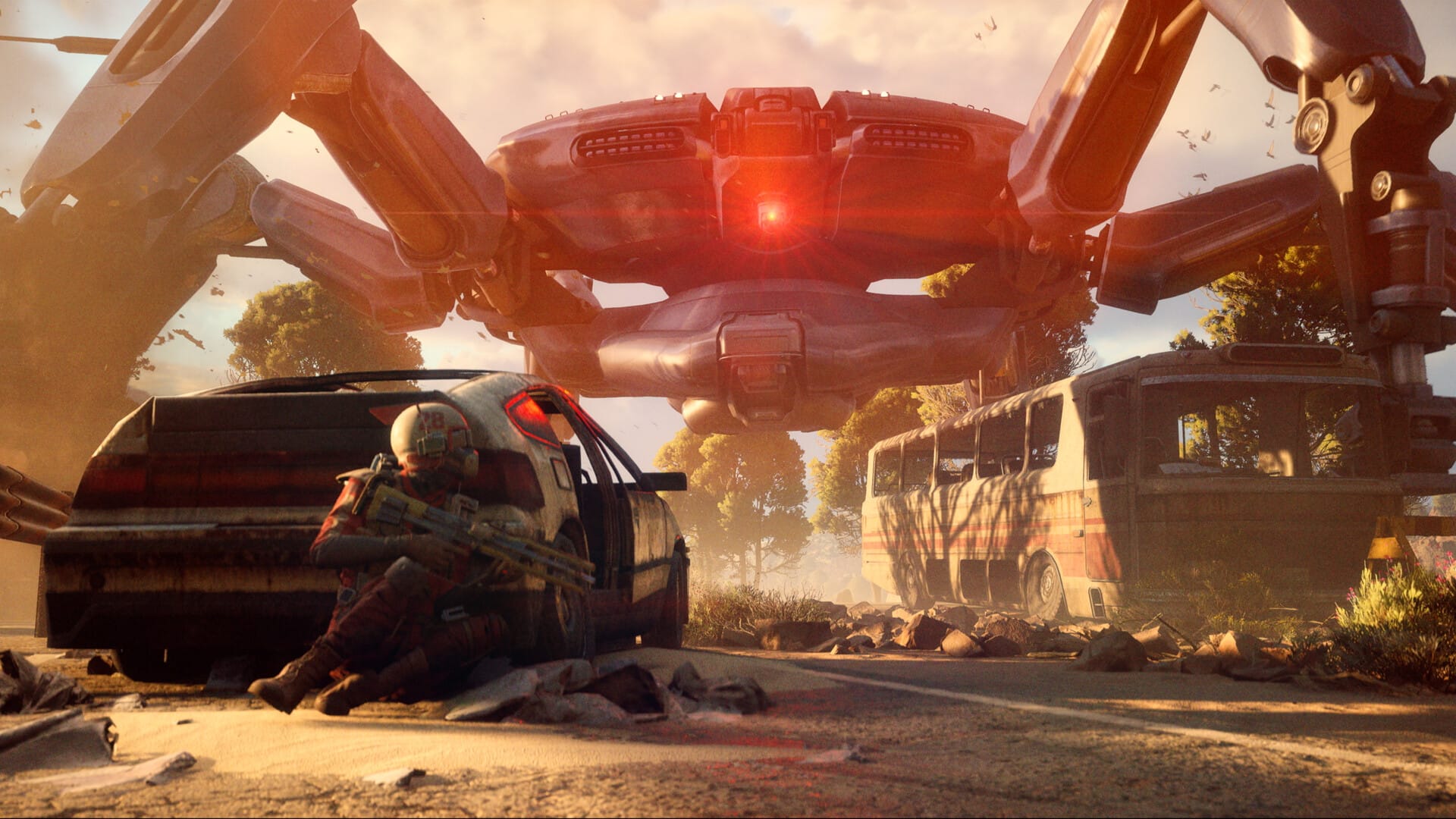
Rick: I would actually go beyond classing it as a breakthrough extraction shooter - it’s a breakthrough videogame in every meaningful sense. Despite being in development for 6 years, it still managed to take the major media publishers completely by surprise, shooting to the top of the Steam charts while they were cranking out dank posts about Black Ops 12, Battlefield or whatever Big Game was anointed to dominate the media landscape in November.
I don’t think it’s as simple as a talented group of developers rounding off the edges of an extraction shooter. Something different is happening here. Embark have delivered a single player quality experience in a multiplayer game. The minute to minute experience of being topside in Arc Raiders is closer to The Last of Us in my mind than it is to PUBG, Fortnite or Battlefield. It’s emergent, it allows you to actually roleplay and create your own little stories, surrounded by other people. Sometimes it’s a combat shooter, sometimes it’s a stealth game, sometimes it’s just exploration - but one thing the game never does is waste your time or give you the same thing over and over. Each raid feels like an adventure, not a “round”.
That’s quite aside from all the game’s other innovations - a fair economy, a far friendlier community of players and no money-grubbing monetisation. And the tech - dear god, the tech. A game that looks better than most AAA open-worlders, built in the same engine, but running at 2-3x the frame rate and stability.
Arc Raiders represents the delta between what gamers have been promised and what they normally receive - and that’s how you get 480k concurrents on Steam. For me, it’s videogames’ 2007 iPhone moment. It’s a product that shouldn’t be possible.
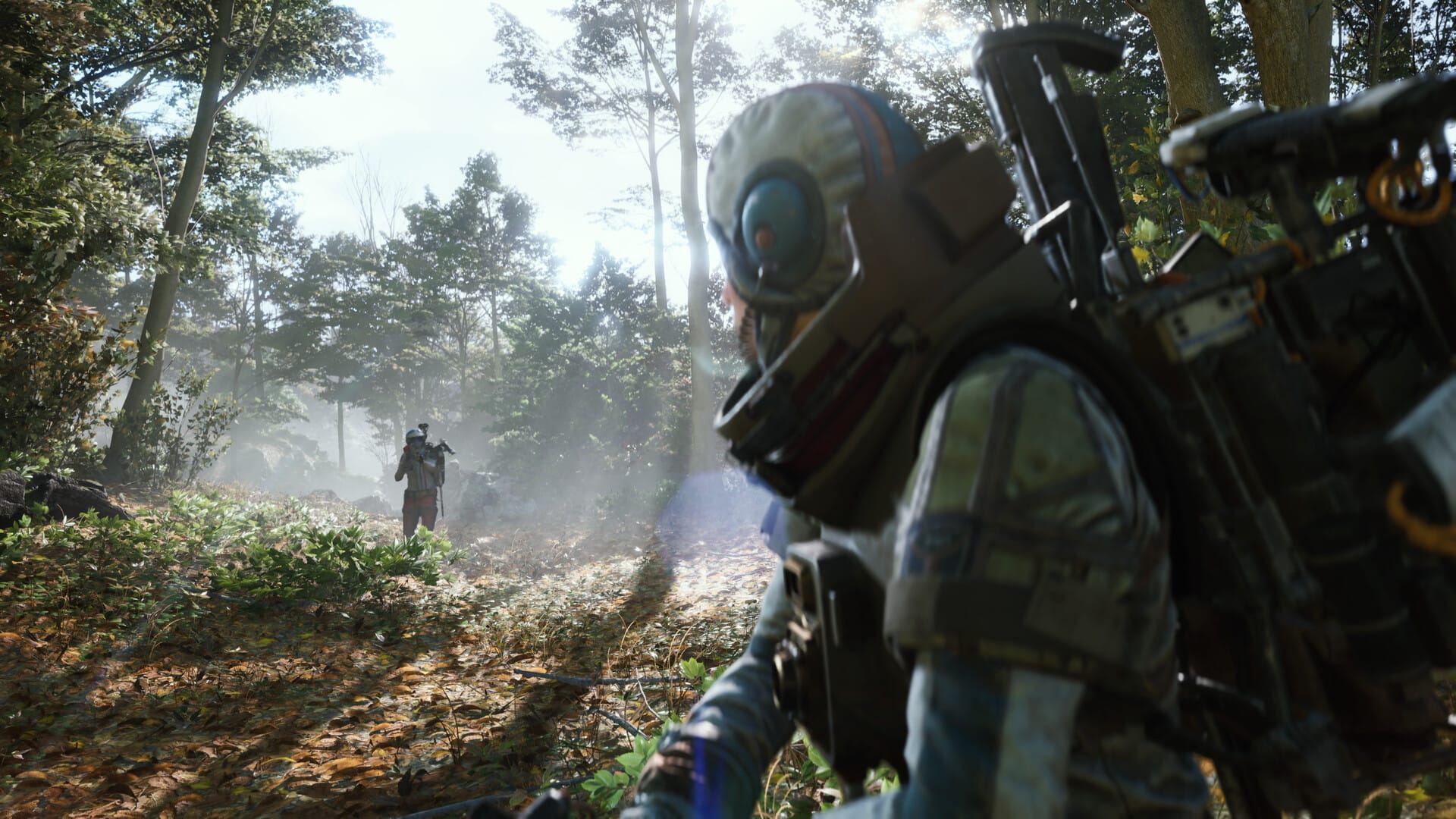
Fergus: I have to confess, I had written initially Arc Raiders off in the short term because I assumed that there was basically no chance of it being able to run on my Steam Deck. A short search later, I’m genuinely shocked to see that it’s actually optimised for the handheld. Perhaps I shouldn’t be though. Arc Raiders’ biggest strength and selling point seems to be that it is a more social game so prioritising the extra effort that’s gone into optimising the game and making it accessible to more people makes an intuitive sort of sense.
Still, reading the distinction you make between the more organic adventures you have with the game versus more conventional rounds, I can’t help but wonder how much of that is just down to the initial thrill of discovery and the zeitgeist that inspires.
There’s sometimes this idiom that every multiplayer game gets the community it deserves, and – right now – Arc Raiders’ more open-ended and social approach is attracting the kind of people who embrace that and make it much easier to get at the intended experience. Over time, the ratio of newcomers to veterans is going to shift and some kind of meta will calcify as more knowledge about the game and how to optimize within it starts to accumulate. In some ways, it reminds me of the experience you get playing a From Software game like Elden Ring or even a new World of Warcraft expansion at launch. The thrill of discovering the unknown in any game is always going to end up tension with the reality that, eventually, any and all secrets will be mined.
Given that even the most successful live service games now seem to be caught in an oscillation between “we’re so back” and “it’s so over”, I can’t help but feel skeptical that Arc Raiders will be able to hold onto what makes it special over the long haul. How about you?
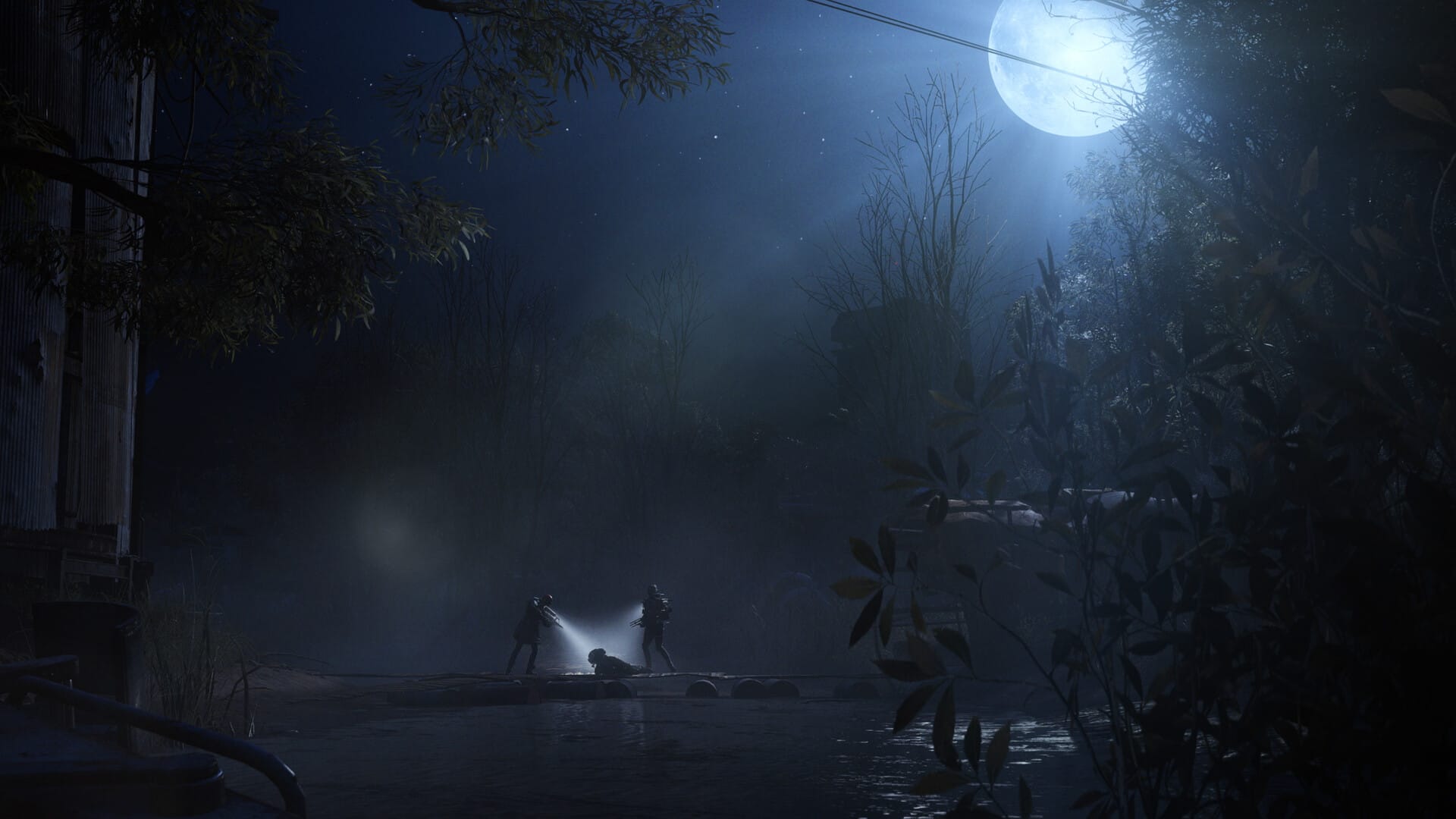
Rick: I think your experience with Arc Raiders on Steam Deck speaks to Embark’s overall approach to game development. It’s one of those games where the whole package is so polished and optimised it becomes indistinguishable from magic. The Digital Foundry investigation revealed that this was achieved mostly through actual innovation and creativity as opposed to just “switching everything on” in Unreal Engine, which most AAA studios do.
You’re definitely right about the community aspect over time - I play ARC with my son, we’ve been playing from the start, and I do think the tone of the game is becoming a little more competitive - this may just be a function of matchmaking with higher level players. I still think the ratio of encountering aggressive players versus friendly ones is a solid 50:50 even when you’re well into the midgame. I don’t think any other PvPvE game could boast that. On one hand you could dismiss a lot of what I’m saying as still being stuck in the honeymoon/fandom period, but the game’s userbase on Steam seems to be bobbing up and down in the same spot long after most “blowup” games in this space usually drop off. It seems to be maintaining its audience the same way DOTA or Counter-Strike maintains. For now, at least.
I do wonder how they’ll keep players engaged once everyone has maxed out their skill trees, completed every quest and explored each map in detail - but Embark have prided themselves on having processes that allow them to iterate fast and produce new content quickly. Stella Montis, an entirely new map with a dozen new questlines, was dropped in the game via a community event one month after launch. Who does that!?
Unlike a lot of games in this space it’s very content-focused, as opposed to relying purely on grind, dice-rolling perks or min-maxing weapons. They’ve developed a deep lore and a game world full of mysteries - hopefully that will give them plenty of ideas to mine in the future.