Is Flash more than yesterday's Roblox?

How much do you remember about the forgotten gateway to game development?
My guest for this issue of Multiplier is Matthew Lucis, an independent Australian game developer who releases projects under the moniker Silver Stitch Productions. In 2010 they were known for their Flash games 'Series of Colour'. Their upcoming title - Management in Space - was shown off at SXSW Sydney in 2025.
Fergus: Beyond being overlooked or forgotten, it feels like Flash games don’t get enough credit for being the indie games of their time.
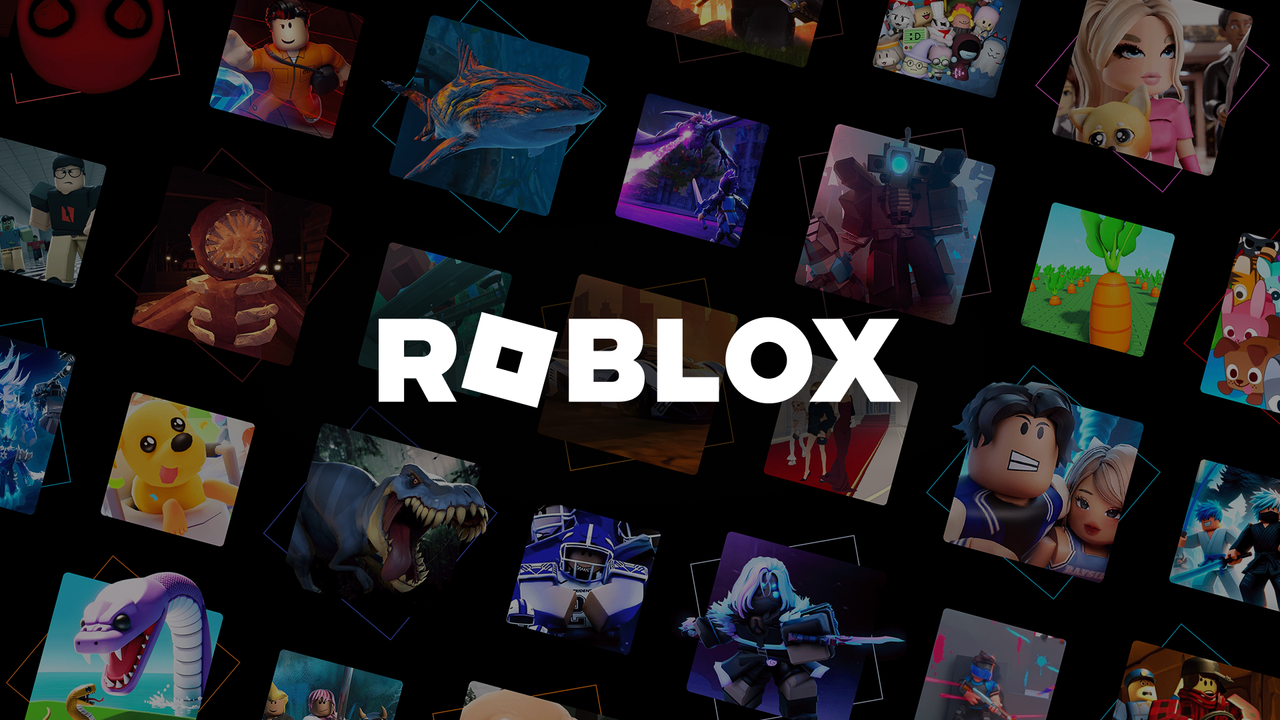
Looking back, I have so many fond memories of navigating sites like Newgrounds on the computers in my primary school library and playing stuff like Super Flash Bros, Fancy Pants Adventure and Alien Hominid. Although many Flash games like those I mentioned were, to varying degrees, derivative, the fact that they were for the most part freely accessible to pretty much anyone with an internet connection went a long way towards making that quality feel like more of a pro than a con. Often, these games weren’t really products so much as they were projects made by individuals in their spare time. It was more often about the style than the substance and the fact the software involved wasn’t really intended for game development just made the results even more impressive.
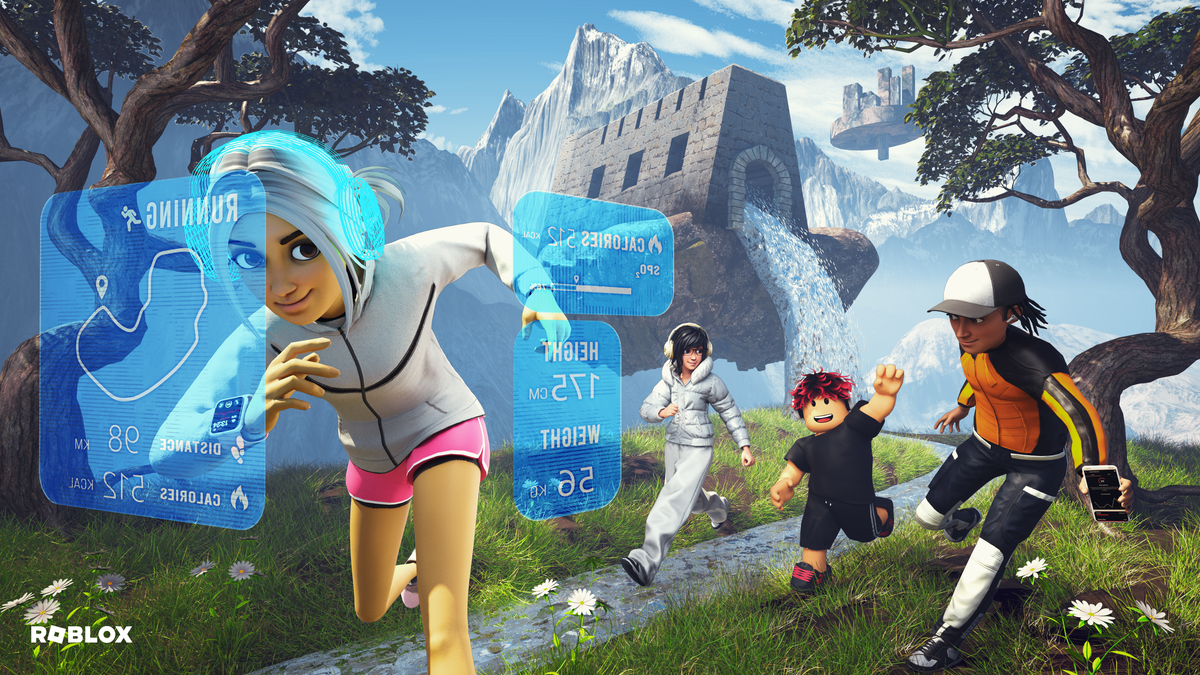
As the world of indie game development has grown in the years since Flash’s heyday, it’s become increasingly professionalised and high stakes. However, I can’t help but wonder if the kids of today are, for better or worse, encountering their own wild west of user-created content through platforms like Roblox.
Flash’s brief but bright popularity might be the by-product of a specific moment in time but maybe every generation is destined to invent their own version of the cool arcade on the internet where you don’t have to pay to play?
Matthew: I absolutely agree that each generation of aspiring game-devs has their own frontier to experiment with and conquer. Games such as Roblox, Super Mario Maker, and Minecraft all provide that introduction to shareable interactive content that spark a flame of creativity, which can be transferred to any of the increasingly accessible game engines available today.
My own spark was ignited as a child by modding games such as Counterstrike and Morrowind, but there wasn’t much in the way of public game engines for hobbyists that people could just pick-up and experiment with. Flash filled that void, and accidentally so because, just as you said, it wasn’t initially meant to be used to create games. It was an animation program that was available on computers in most schools, and people were using it to create public interactive art, with its popularity and accessibility paving the way for the subsequent generation of indie devs.
Your description of Flash establishing “the cool arcade on the internet” is spot on; it really was a unique shared experience for its brief moment. While there may have been multiple sites, such as Newgrounds and cArmor Games, that all hosted these games (and animations), it seemed that anyone online at the time looking for free entertainment found their way to Flash. Everything from derivative parodies to truly original concepts were available for all to enjoy. I would say that today the closest we have to that platform of free game hosting is itch.io, which is an incredible place and one I publish to myself, however the difference between the two lies in both the internet and the industry. Flash games had their golden-age in the early 2000s, at a point in the internet when everything was still being established; social media was just starting up, YouTube had just been launched, and the idea of someone making a career from content creation was unheard of. People were making games just because they wanted to, myself included.
I think it’s because people were in it simply out of passion that we ended up with such a diverse and wonderful collection of content. It wasn’t a world of influencers, metrics, and monetisation, it was just a library of art regardless of whether it was created by an amateur hobbyist or a professional team. “Everything by Everyone” as the Newgrounds motto goes. These days we still have fantastic communities of creatives out there developing games and content out of love, everything from global game-jams to children making Super Mario Maker levels, but much of it feels overshadowed by the industry’s need for our projects, big or small, to be productive and profitable. The aforementioned Roblox for example, which serves as an introduction to game design for our younger generation, strongly encourages creativity and user-generated content with its own public developer tools. Unfortunately, it’s wrapped in a commercial and competitive marketplace where success is directly and singularly tied to revenue and virality. Flash had its own ratings and review systems, but the stakes were much lower; you weren’t going to become internet famous and you weren’t going to make a fortune, you just made content and became part of the community.
Sadly, what brought about the end of Flash is something the industry has always faced; eventual obsolescence in the public market.
From 2010, Flash was slowly but steadily phased out due to a variety of reasons, from security issues to market competition. It quickly became harder and harder to publish Flash projects, but it also became more difficult to play them. Technical support was abandoned by Adobe, and it could have all been lost. This problem has been on-going in the industry since the earliest days and is an issue we’re still experiencing today across multiple platforms and games, and is why archiving and movements like Stop Killing Games are so important. DOS games that were lost to the advancement of technology are only accessible these days thanks to DOSBox, while other emulators and online archives do their best to preserve outdated games that are no longer sold or updated.
Regardless of whether a game or platform has been lost due to technical or financial reasons, it often falls to the community to keep them alive. In the case of Flash, emulators such as Swivel and Ruffle, and conservation efforts such as Flashpoint Archive were major players in preserving Flash. In Australia, I recently spoke with our National Film and Sound Archive who have told me they are now also working to preserve Flash content in a national database.
Fergus: It’s great to hear that so many groups are out there invested in the preservation of Flash and its footprint when it comes to gaming. I wish the rest of the industry was so open-minded or honest about the reality of what it would take to hold onto the history of gaming as the years go on.
A few years back, I wrote this feature about how CD Projekt Red was looking to basically hand over the keys to its digital card game to the community as it wound down commercial development on the project. They even went so far as to give the player-base new tools that it could use to democratically issue balance updates for the game without the studio’s involvement.
To contrast this, I remember using the example above to tee off a question about preservation when it comes to Hearthstone – which was and still is probably the biggest digital card game in the genre – during an interview with one of the game’s senior designers. The answer they gave was a pretty unsatisfying one that ultimately did make the cut when it came to final write-up. They told me that the team hopes that the thorny questions that come with imagining what preserving a live service like Hearthstone might look like are something that the team hopes it’ll never have to face.
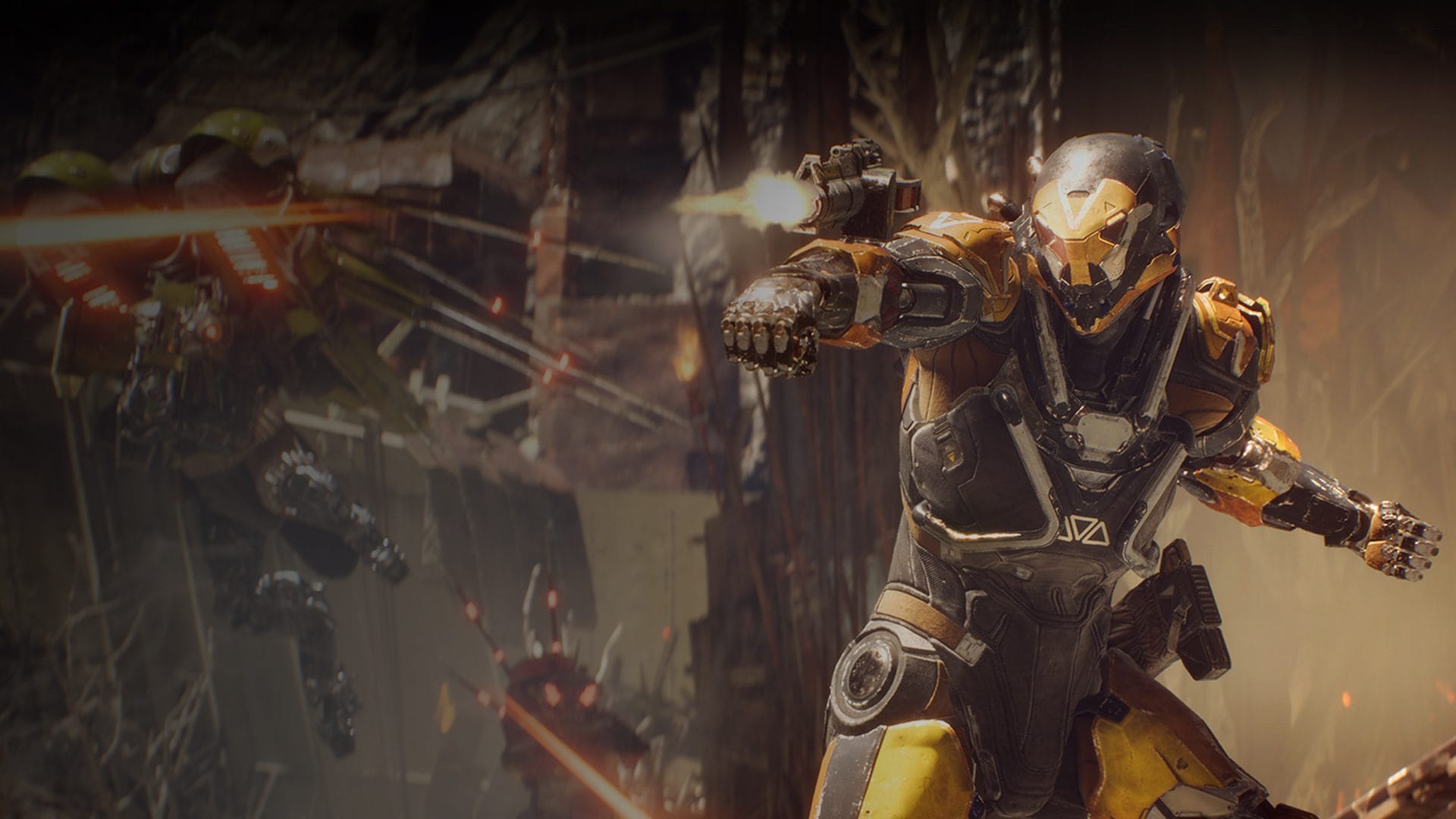
We’re at the point where even the likes of Ubisoft CEO Yves Guillemot are coming out in vocal support of the concept of entropy, reminding players that nothing lasts forever. However, the disappearance of games and gaming history is not some cosmic phenomena. It’s the byproduct of business decisions that do not value those things. Nobody expects EA to keep the lights on for a game like Anthem forever, but everyone knows that a use-by date will eventually come due and it’s dishonest for anyone to pretend otherwise.
I’ve sort of drifted away from Flash with this rant, so I’ll bring it back around by touching on the way you’ve framed Itch.io. Last year, the platform underwent some pretty controversial changes that have delisted anything marked NSFW. There’s a grim irony there in that for as much as the bulk of what’s on Itch.io is tilted towards non-commercial games, the payment infrastructure involved with that more commercial side of things now threatens to erase a huge amount of gaming history.
It was bad enough when the biggest adversary of game preservation was apathy and disinterest. How might more active players on the anti-preservation side of the table change the conversation for groups like the ones you’ve mentioned?
Matthew: I don’t believe there are players who are actively “anti-preservation” but simply, as you said, apathetic to its importance. That is, of course, until their favourite game is on the chopping block. This means that the frontline of preservation is awareness; helping gamers, developers, and even people who don’t engage with our industry understand why basic archiving is important to games, as well as art as a whole.
Aiding communities that are working towards reviving old games also goes a long way, though that is more often in the hands of the developers and publishers to provide the tools to do so, and to also not shut-down modding and preservation groups. The Jedi Academy community is still thriving to this day thanks to the source code being released by Raven Software, but Disney could still decide to step in and shut it all down without much difficulty, and it’s likely the only reason they don’t is because an active modding community means more game sales for them.
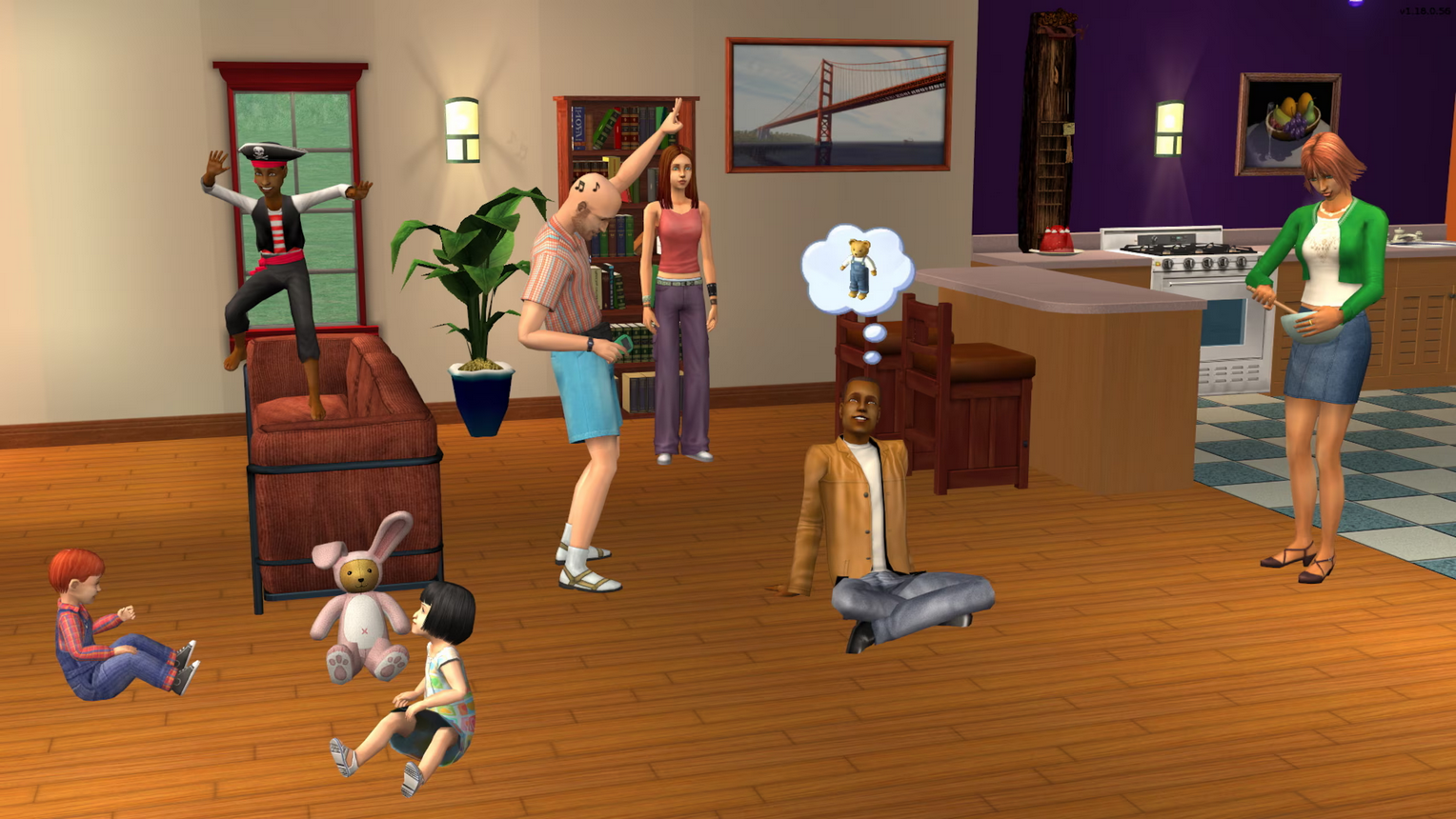
A recent example of such behaviour is with The Sims 2; for over 10 years this game was considered abandonware and only playable thanks to modders constantly patching, fixing, and expanding the game. Then, at the start of 2025, EA turned around, picked the game back up, and tossed it onto Origin rebranding it the ‘The Sims 2 Legacy Collection’, which of course barely functioned. The community is now working hard to fix and remaster all the old mods for the new version, but it’s been an uphill battle as over the last year numerous wikis, groups, and mod pages have been forcefully taken down by EA, including one of the major stand-alone launchers. Honestly, the events that took place could be an article in and of itself, but for the sake of this topic, it’s simply a clear sign that holding licenses and making money is more important than preserving the art at the center of it all.
Battle for Middle Earth, a game series that is stuck in licensing purgatory, is not legally playable anywhere, but it has been archived and updated thanks to the players that missed it so dearly. WildStar, an MMO shut-down in 2018, is being revived on private servers. Star Wars Galactic Battlegrounds and Might & Magic 6/7/8 are both series that are updated for modern compatibility, as well as hugely expanded upon, by small modding teams through Expanding Fronts and MAW respectively. Club Penguin, an incredibly popular Disney MMO that was shut down in 2017, now has community-driven legacy servers that you can play today!
These games are still accessible and loved thanks to players that actively preserve them.
Just as I mentioned with Jedi Academy; when a company takes steps to preserve their old works, whether by keeping the projects alive themselves or by releasing it to the public, those games thrive. In 2019, Epic Games released Unreal Tournament to the modding community, and then in 2024 had it submitted to the Internet Archive, ensuring this landmark game will be accessible forever. As such, this game from the 90s continues to have an engaged playerbase and modding community.
In 2013, Jagex released Old School Runescape, an official revival and preservation of the 2007 version of their MMORPG to the public. The game has since replaced its modern variant as the company’s most played game and continues to see record-high player counts.
We have digital storefronts like Good Old Games working to uplift retro games to make them accessible again, but also conversely have those such as Steam and even Itch.io, a hub that is considered a safe platform for indies to upload to, go through periods of removing content they deem unsavoury, as you mentioned.
While moderating and removing evil and hateful content is absolutely the right thing to do, delisting games because a bank told you to is a daunting image of where our industry, and the preservation of our work, is heading. As you alluded to, we are constantly reminded that, within the eyes of those who hold power in our industry, games are steadily becoming a “service” that can be taken away, not a “product” that you own, and certainly not a project or artwork that can be held by the community outside the company’s grasp.
Returning back to Flash, we saw something similar take place back in 2010 when the then-CEO of Apple, Steve Jobs, published his letter “Thoughts on Flash”. The piece was a statement on why Apple would not support the market of widely accessible Flash content on their increasingly popular devices and would instead push their own app store. From that, mobile apps became the new “cool arcade on the internet” and Flash rapidly lost updates and tech support. A company decided they wanted to profit from the ideas and experiences that Flash was creating, and Flash itself died in the process.
Of course, Flash was never going to forever hold its throne as the wild indie platform, but its rapid demise as the new wave overshadowed it caused all those works and communities to fall apart in the process. Portals such as Armor Games and Not Doppler slowly pivoted to games publishing and development, while Newgrounds remained focused on preserving community; working to keep Flash accessible while also expanding to HTML5.
The only reason we still have access to the historical turning point of indie-dev that was Flash-games is, surprise, because players and communities keep them alive, and is why it’s so important to me that I do what I can to help promote its preservation through organisations such as The National Film and Sound Archive of Australia.
Game archiving is critical to understanding and preserving the history of this medium, and it is up to everyone in this industry; players, communities, developers, stores, and publishers, to all do their part in ensuring we don’t lose the incredible art that has been created along the way.
Years from now, I want to be able to load up Jedi Academy and play the custom maps that my brother and I made when we were young. I want to revisit old memories with my friends as we go back and check out Runescape or Quake. I want to be able to one-day show my kids the artsy Flash games I made when I was in high-school that kickstarted my career as a game developer. Most of all, I want this accessibility for everyone; not for players to be concerned their favourite experiences will be unnecessarily lost at any given moment, but to feel safe knowing that the games they bought will always be theirs, always be playable, and always be a part of our history.