Is it easier to hate mobile gaming than love it?
On the go gaming has never been bigger, or more complicated.

On-the-go gaming has never been bigger, or more complicated
My guest for this issue of Multiplier is Edmond Tran. Tran is an award-winning journalist, the managing editor of This Week In Videogames and the former editor of GamesHub. You can follow him on Bluesky and follow his work by subscribing to TWIV.
Fergus: Mobile gaming has come a long way from the days of the Nokia NGAGE, but you’d never know it from the reputation it has among certain corners of the gaming community.
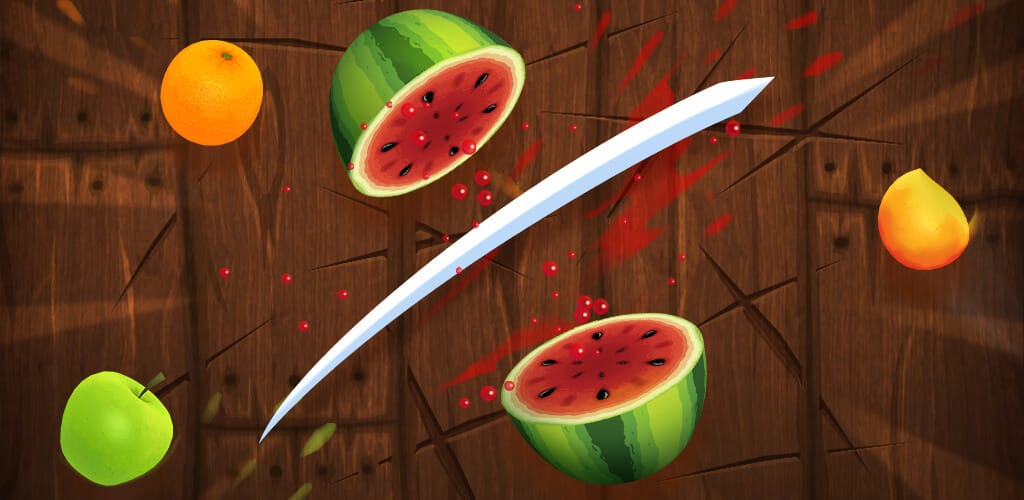
Even in the early days of hits like Flappy Bird, Fruit Ninja and Farmville, there was anxiety, derision and a definite tension around mobile gaming among that core gaming constituency for reasons that stretch from ire at monetisation practices to outright xenophobia. In retrospect, I can’t help but reflexively feel like that perspective is a shallow and simplistic one that was often driven by a childish fear that every dollar spent making a mobile game was a dollar that could have been spent elsewhere.
And yet, I find it hard not to look at the transformative influence that mobile gaming has had on the rest of the industry. Sometimes, I find myself thinking about that time Nintendo’s Satoru Iwata warned that cheap mobile games would ultimately devalue the products that the company made. It’s hard not to look at the way that things like gacha and log-in bonuses have proliferated and normalised a degree of nickel-and-diming that was once beyond the pale.
And yet, that transformative impact is impossible to divorce from the reality that I have sunk a tremendous amount of time into mobile gaming over the years. How about you? What’s your love/relationship with mobile gaming look like?
Edmond: I would say I'm a relatively enthusiastic mobile gaming advocate, and as time goes on (and the amount of time I have to sit down at my desk for hours rapidly diminishes), that becomes more and more true. I think what's also true is that my guilt in admitting all this has also grown somewhat, given the declining perception of what a mobile game is (a constant battle — and not unlike the battle against the perception that videogames are for kids), and the kind of low-quality stuff that floods the majority of the App Store today (which remains one of its biggest problems — and is also partly true for other platforms as well).
But a few things remain consistent for me: mobile is a platform where cool new game design ideas can still happen, touch and gyro are great ways to interact with games, and you can always find interesting new titles if you look for them. On a personal level, the best gaming platform is one that you always have with you. On a broader level, the best gaming platform for the audience and developers is the one that is more accessible and has a lower barrier to entry (though this might also touch on those issues of xenophobia you mentioned).
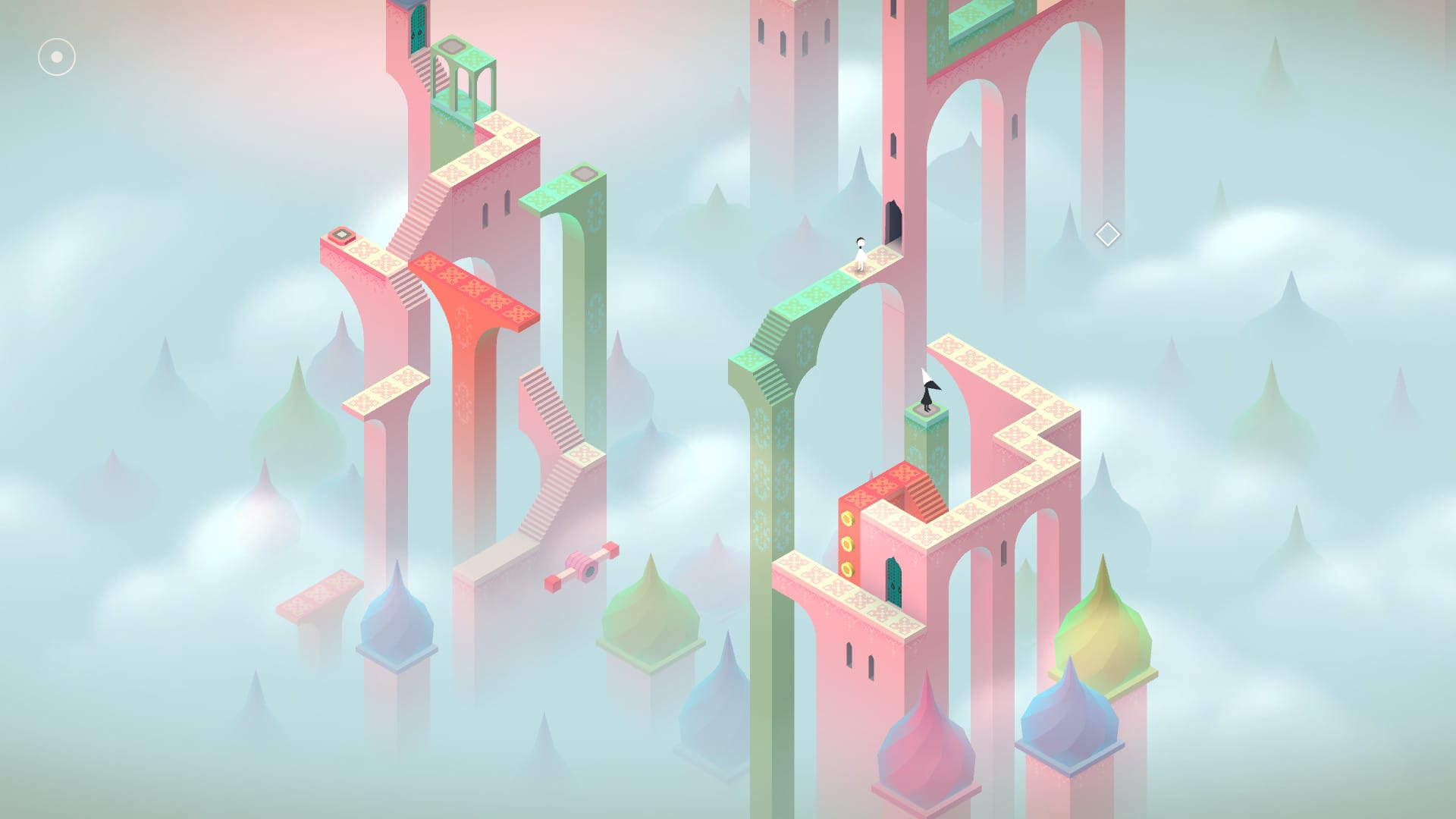
In my mind I will always put the iPhone 3G/4 next to the Nintendo DS and 3DS — they both come from that era of gaming where handheld touchscreens were first introduced and we saw all these novel uses for the interface. They're all associated with the boom in Casual Games of course, but also the boom in indie developers doing cool shit, which made iOS a magical place to play games: World of Goo, Osmos, Edge, Superbrothers: Sword & Sworcery, Device 6, Monument Valley, the list goes on. I'm also very enthusiastic about point and click adventure games, and iOS was a great place to play them for a long time.
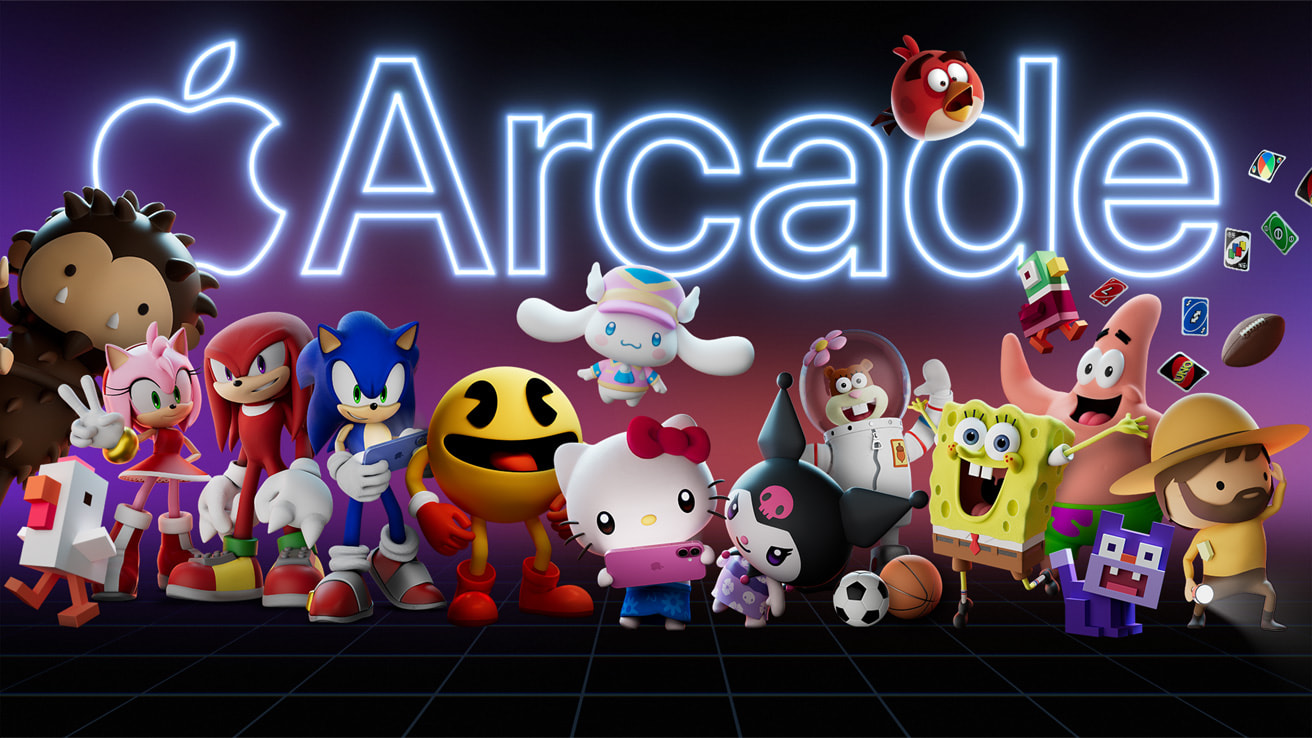
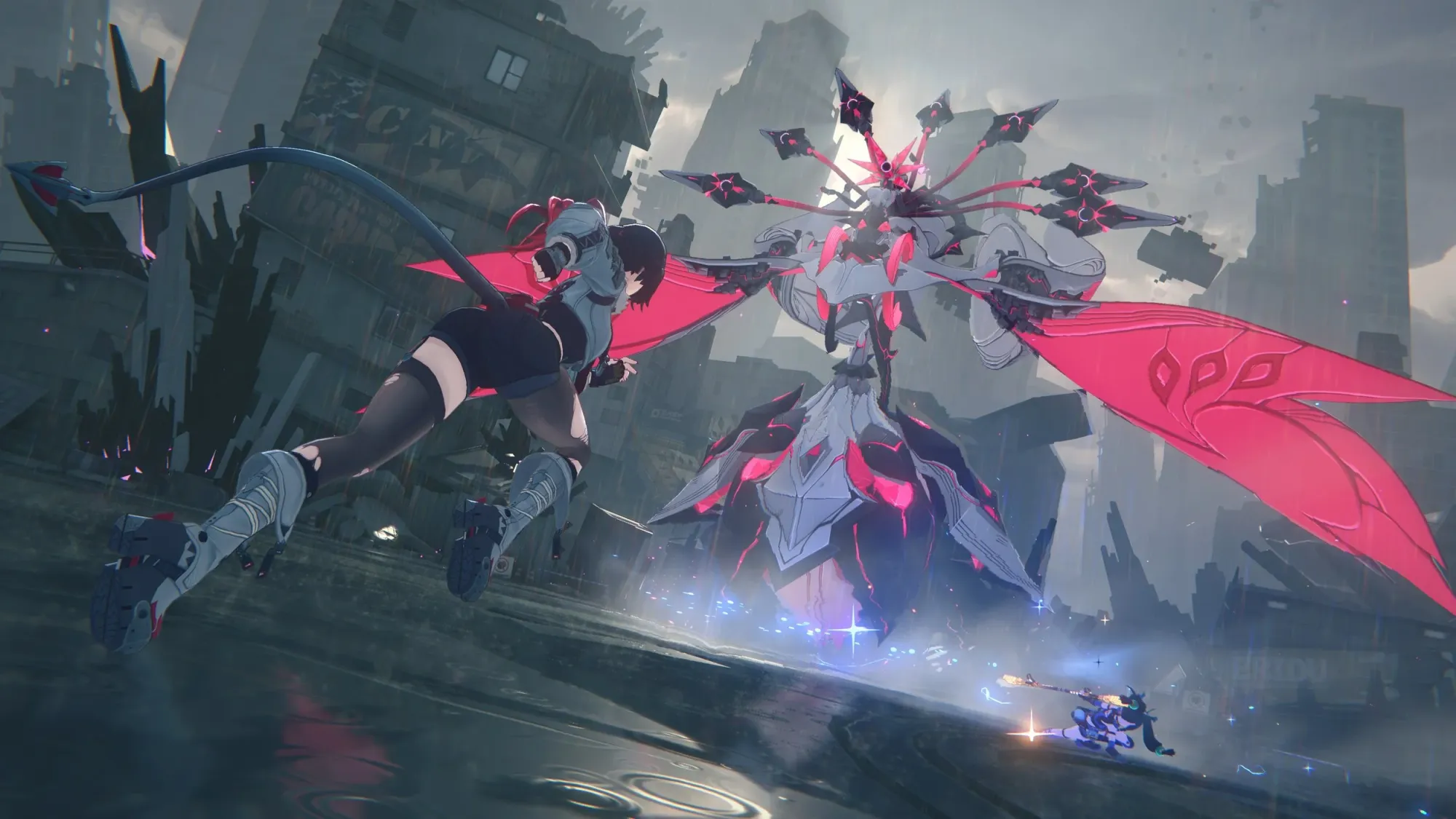
I was quite impressed by the efforts to try and bring back this calibre of work when Apple Arcade first launched, which Netflix also tried to do when it launched its mobile subscription offering — though both have since scaled down those efforts significantly. I've also been impressed by some of the recent porting efforts for console blockbusters (and the power of current-model iPhones) with Resident Evil and Death Stranding. But I'm also certainly no stranger to gacha games and egregious free-to-play practices, which is where I think you want to take this conversation — I play a religious amount of Zenless Zone Zero. I've basically logged on every day since it launched, if we're being completely transparent.
Fergus: Having gotten all my cynical caveats out of a way, I should say that I agree with you on almost every point. Control schemes like touch and gyro come with design limitations, but they also make games accessible to entirely different audiences and the rise of mobile has done a tremendous amount to change not just the broader idea of what games can be but also what players look like.
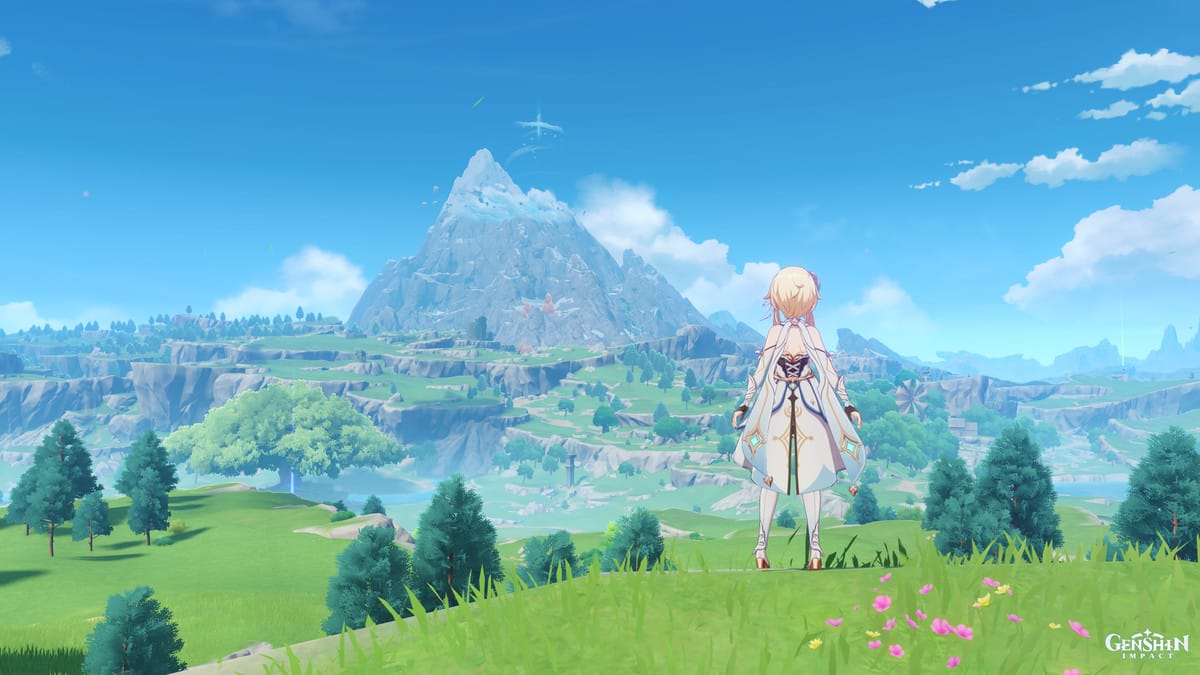
I think it’s interesting that you draw that line between mobile and the Nintendo DS though. Maybe it’s down to me owning an Android device before I ever owned an iPhone, but I’ve always seen mobile gaming as more closely aligned to the PC than any traditional gaming console. Sure, you can play games that are featured on the app store but that’s just the tip of the iceberg. Emulating older handhelds was such a big part of early mobile gaming for me and my relationship with modern games like Genshin Impact, Diablo Immortal or Destiny Rising often feels closer to my experiences with however many MMORPGs I’ve played over the years.
I guess to unpack the xenophobia piece, I think it’s all very tied up in the tribalism of fandom that gaming’s biggest publishers and developers have spent decades cultivating. The line from the console wars of old to the us-and-them mentality on display when a company like Blizzard announces a mobile version of Diablo is a fairly salient one, IMO.
The growth of mobile gaming and the free-to-play is hard to pull apart but as someone growing up reading a lot of English-language games media, it often felt framed as a trend that had found root in markets like South Korea, China, and Japan and was now reaching across the Pacific into the Australian market. Maybe I spent too much time in the forums but all too often, I’d see people jump to the conclusion that these games are free to play because they were bad or cheaply made over the fairly mundane market conditions that made that business model more viable. In less-veiled descriptions, I’d sometimes see it cast as something akin to invasive species in a way that you’d never see with a US or UK-based developer.
Locally, I do think the fact that Australia did play such a prominent role in that early “there’s an app for that” era of mobile gaming probably helped erode and erase some of those preconceptions.
Even so, the reality that so many mobile games exist under the shadow of predatory monetisation often feel inescapable. Mobile games frequently get compared to slot machines – and often rightfully so – but part of me can’t help but wonder if we should be comparing them to arcades instead.
Edmond: That's an interesting take! It actually kinda reminds me of one of my few childhood memories, which was hanging in a shopping arcade in one of Sydney's Vietnamese communities while waiting for my mum to finish grocery shopping, spending all my time at the lone Street Fighter II arcade cabinet outside a video rental place (I'm pretty sure all their VHS tapes were copies lol) – but never, ever having money to put into it. I'd just noodle around with the controls and try to mime along with whatever was happening on the demo attract screen.
You're right in that gacha and other free-to-play models are inextricably tied to the psychology of gambling and casinos (seek out a book called Addiction by Design: Machine Gambling in Las Vegas by Natasha D. Schull – depressing relevant for videogames!), and I think 95% of the time I would not advise anyone to play a live-service game, but I think the other side of the coin is valid – unlike a slot machine, or a Street Fighter II arcade cabinet, you don't actually have to pay to play it.
I mean, there's a very good reason why both mobile games and the free-to-play games really took root in markets like Asia, and it all comes back down to that accessibility thing, right? We're talking about regions where consoles have traditionally been both a rarity and a luxury good, due to either the high cost compared to the average wage, restrictions in importing, or simply being overlooked as a market by a platform holder. We're talking about huge populations that are predominantly lower-middle class.
But you're telling me there are all these high-quality, blockbuster, console-like games of varying genres that I can play on my mobile telephone, and depending on the title I can basically play dozens of hours of a story campaign without having to pay any money at all? That's nuts! If you can resist the temptation – and I know for many of those game communities there are plenty of folks who pride themselves on that – then that's… pretty good? (Although now I feel like I should always be cautioning that if you are at all susceptible to this kind of stuff you should absolutely not play these kinds of games).
As an aside, I also think in 2025 you cannot look at the free-to-play mobile games coming out of developers in China and say they are lacking when it comes to ambition and technical execution, right? I've spoken to several developers at big Japanese studios – a country you would reasonably consider masters of the videogame craft – who seem to indicate that the industry there is getting increasingly anxious about trying to keep up with the bar that China keeps on pushing.
The other caveat of course is that when you think about a free-to-play game, whether it be on mobile or otherwise, you're usually going to be looking a very limited collection of ideas about what a videogame can be – something that fits into a repeatable formula that can keep you engaged for long periods of time, that never really ends. Thinking back to the kind of mobile games that I hold in high regard when I say that I love mobile games, they're all mostly shortish experiences with distinct run-times and endings, and not really the kinds of games that are going to maintain the kind of popularity or cash-flow that will keep them at the top of the App Store charts indefinitely, which I guess is part of the reason why the perception of what a mobile game is has shifted so much in that direction – because of what we see dominate mobile storefronts.
Fergus: Totally. There’s something that often feels almost Faustian about the endless nature of these live services experiences, but I don’t think it’s all that shocking that so many are willing to take up that bargain. Sometimes, your enjoyment with a game does end up feeling bottle-necked by the reality that there is a finite number of things to do in it. The relentless cadence with which mobile live service games roll out new content can sometimes make it a little too easy to fall into the trap of treating them like some kind of forever game.
I’ve often said that if Blizzard had kept releasing new expansion packs for Diablo 3, I could probably play that game forever. However, for all that Diablo Immortal comes close to offering this experience, it can never quite scratch the same itch as what it seeks to emulate. There’s probably more “content” in the latter, but the fact that this endless grind for better loot never reaches a point of natural conclusion ultimately ends up making feel like a less satisfying use of my time before long. Denied the demarcation of getting to see the credits roll, it all feels a little weightless.
Perhaps there’s also a larger tie to the way in which pop culture nowadays has largely veered away from the idea that any story should ever reach any sort of final conclusion, but I think that recent developments with Candy Crush are also maybe relevant here. Rather than reach some kind of Tetris-style kill-screen, hardcore players are now fed AI-generated after AI-generated level. They will never hit the credits and be given the opportunity to release themselves from the grind.
The idea of a more sophisticated mobile game like Genshin Impact adopting a similar model might seem unthinkable, but it wasn’t all that long ago that the idea of mobile platforms being able to support games like the ones MiHoYo makes was itself a fantasy.
Edmond: I want to quickly shout out mobile game subscription services like Apple Arcade and Netflix Games, since I do think some of my more recent enjoyment of mobile games has come through those initiatives, and for good reason!
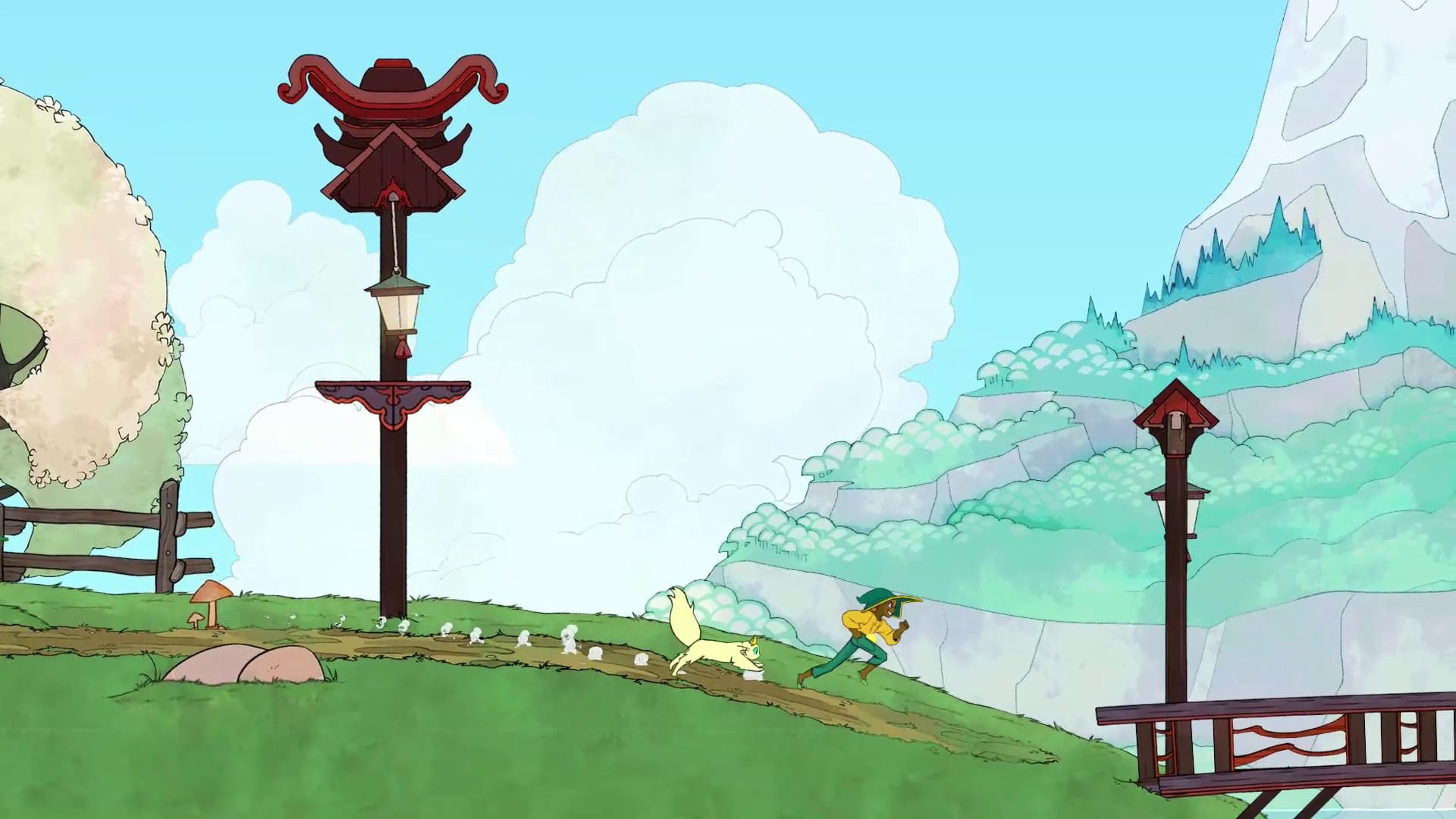
When they first launched, their pitch was creating a kind of a mini-games marketplace and oasis of sorts that was a callback to the golden age of early mobile games with no ads, no predatory monetisation, and lots of interesting, original titles made exclusively for the service by experienced indie developers. So much good stuff! Mutazione, Sayonara Wild Hearts, What the Golf?, The Pathless, LEGO Builder's Journey on Apple Arcade, Netflix had the excellent Poinpy and brought stuff like Into The Breach, Immortality, Kentucky Route Zero, and Spiritfarer to mobile.
But I guess both businesses eventually got caught up in that wider "forever game" trend — games with finite run-times are probably not the best idea when you want to keep people locked into a recurring subscription — and the funding of new cool originals seems to have all but disappeared now.
Those kinds of games are still out there, just much harder to find among all the other kinds of titles we've talked about, and that's certainly had another kind of detrimental knock-on effect for the ongoing development of interesting new games for mobile. It's very hard to imagine the culture shifting at all right now!