Vampyr (2018) review
Vampyr bites off more than it can chew.

A bloody mess
If you even so much as gaze over the growing catalog of games that French developer Dontnod Entertainment have attached to their name, you’ll see that list gets real eclectic, real fast.
After making their debut with the stylish-but-flawed cyberpunk brawler Remember Me, they've gone on to garner a legion of fans with their episodic teen-drama Life is Strange. Now they’re tackling both the supernatural and historical with Vampyr.
At this stage, if there’s any description for what Dontnod’s “house-style” look like, it’s as follows. Take a set of easily-identifiable gameplay loops that audiences have responded positively to in the past, (tastefully) replicate them and then double-down on the tone, setting and characters surrounding that familiar experience. Making mechanics feel fresh is hard but making a memorable world filled with interesting characters is where Dontnod excel. Sure, it’s an approach that plays things a little safe but when it works, it works (if it works).
Unfortunately, the results that Vampyr ends up yielding here veer closer to Remember Me territory than the likes of Life is Strange. Dontnod's Victorian vampire RPG dives headfirst into rich setting that’s evocative and atmospheric in all the right ways.
However, the narrative, structure and combat mechanics don’t quite come together with the same level of cohesion found elsewhere. Not just in tone but also polish, it makes for a stark contrast to the company’s terrific teen-drama. Vampyr is a fascinating romp through a world dripping with tone but it ultimately bites off more than it can chew.
Shadows in the Moonlight
For better or worse, Vampyr indulges itself in all the usual tropes from the outset.
The game’s vision of London is one afflicted by plague and torn between vicious gangs, secret cabals, competing vampire factions and packs of rabid vampires called Skals. If you’ve dabbled with games like Vampire: The Masquerade in the past, it’ll all feel a little familiar – and maybe too much so, at times.
Set in an alternative version of 1918 London ravaged by the Spanish Flu, you take control of of Jonathan Reid. You're a doctor who awakens in a mass-grave to discover he’s been turned into a vampire.
As a man of science thrust into the world of the supernatural, Reid quickly finds himself on the run from a sect of vampire hunters called the Guard of Priwen. Courtesy of his background in experimental blood transfusions, he’s tasked with solving the city’s epidemic and uncovering the identity of the vampire who turned him.
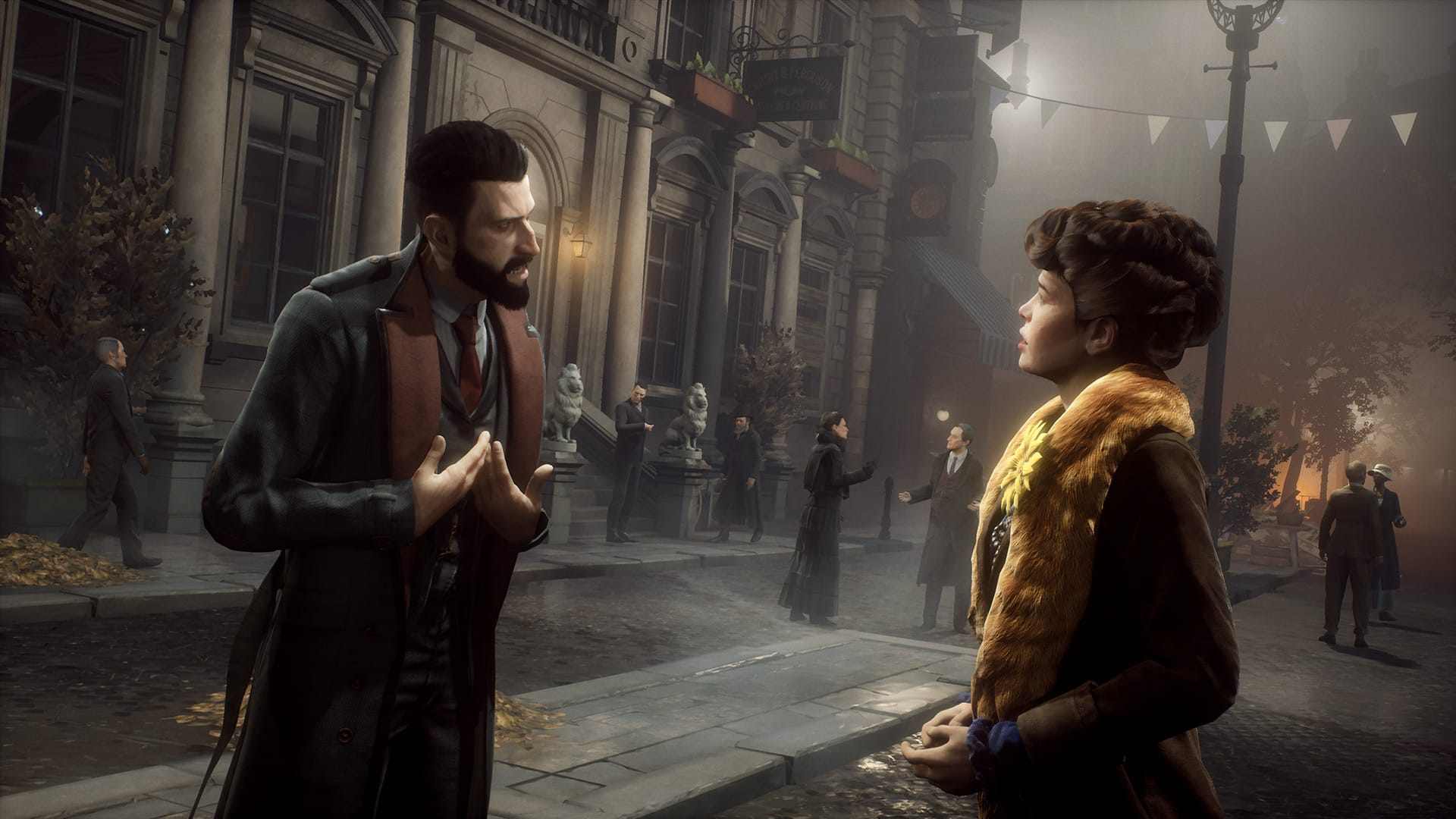
While some of Vampyr’s worldbuilding works, a lot of it doesn’t. Sometimes, it can come off as very generic and thrown-together. All too often, it feels like the writing in the game would much rather lazily dump exposition and proper nouns on you than let you organically discover things as Reid does. Towards the end of the game, this problem only becomes worse as the narrative stakes become higher and the game expects a level of investment in the mythology of its universe that just doesn’t feel earned.
There’s a clear point about halfway through the game where the main point takes a clear turn from compelling to crap, abruptly draining the game’s narrative of all it could be like a vampire draining its victim of blood. It feels like you’re watching a TV series where the writers have thrown a sudden and unwelcome twist into the mix that is just so, on-its-face, awful that you’re knocked out of the experience outright.
By contrast, it’s the smaller intimate sub-plots in the game that carry the most dramatic weight here. Rather than populate London with no-name meat-bags for players to suck dry, Dontnod have gone the extra mile and crafted backstories and secondary side-quests for what feels like every denizen of the game’s four districts.
Taking the time to get to know each character unlocks fills in blanks not just about their place in the world but also fleshes out new details about those around them. This aspect of the game is very well-executed. With each secret you learn, the ‘blood value’ of each NPC rises – giving you a greater payout should you eventually choose to drain them of their blood.
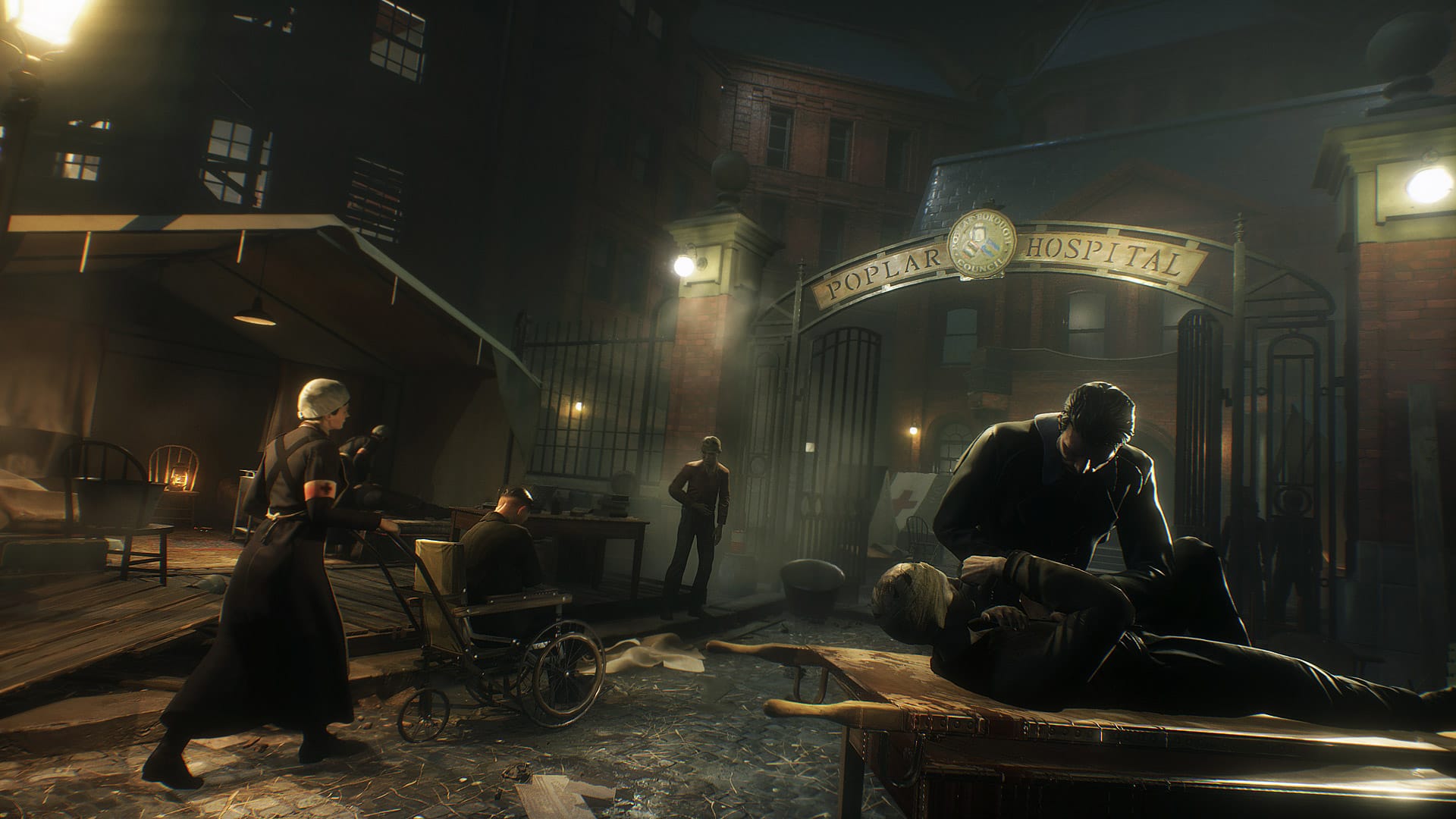
And sometimes, you’ll definitely want to. The setup for Vampyr is far more than just set dressing. Completing quests and defeating foes earns you some experience in Vampyr, but it‘s cleanly outweighed by what you get from preying on the locals.
Apart from a few individuals with plot armor, Dontnod have given you the ability to drain and kill pretty much friendly or neutral NPC at any time. Alternatively, you can go through the entire game without killing anyone. Combined with the narrative investment the game puts in its non-player characters, this makes for a surprisingly-effective and compelling moral choice system.
Counterbalancing this – and in line with Reid’s dual identity as both a vampire and doctor – you’re also tasked with keeping the local populace healthy. Using resources scavenged from both defeated enemies and the environment, you’re able to craft various medicines and distribute them to the populace, keeping them healthy (and their blood value high). Should too many NPCs die or become sick in a region, the district will be lost to chaos and you’ll automatically fail any relevant quests in the area.
What's more, leveling up and unlocking new abilities requires you to rest in a bed. Doing so moves the in-game clock forward. This timely dynamic constantly creates new crises and causes the condition of any untreated citizens to deteriorate further, so you’ve always got to keep one eye on the big picture in a way that you don’t in most other action RPGs.
Ultimately, this systems-management aspect of Vampyr ends up being its most unique and well-executed conceit. Even if it does result in a gameplay experience that can sometimes feel a little too much like busy-work, the task of keeping the city healthy so that you can get the most out of killing them (or not!) is a deeply-unusual but memorable ask.
Vampvania
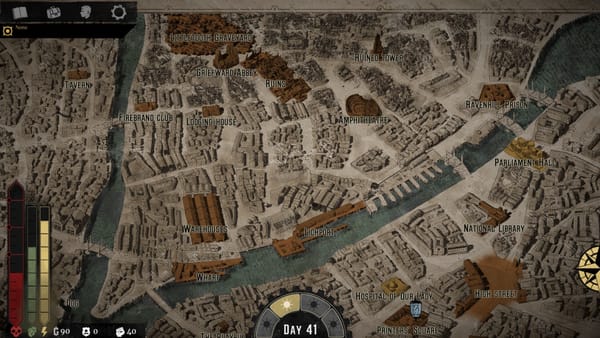
Playing out like a half-blood hybrid of Castlevania and Bloodborne, Vampyr takes place across a near-seamless open world map split into four districts. You’re given both main and side quests to complete across each and the bulk of your time with involve traversing London and fighting through small mobs of enemies.
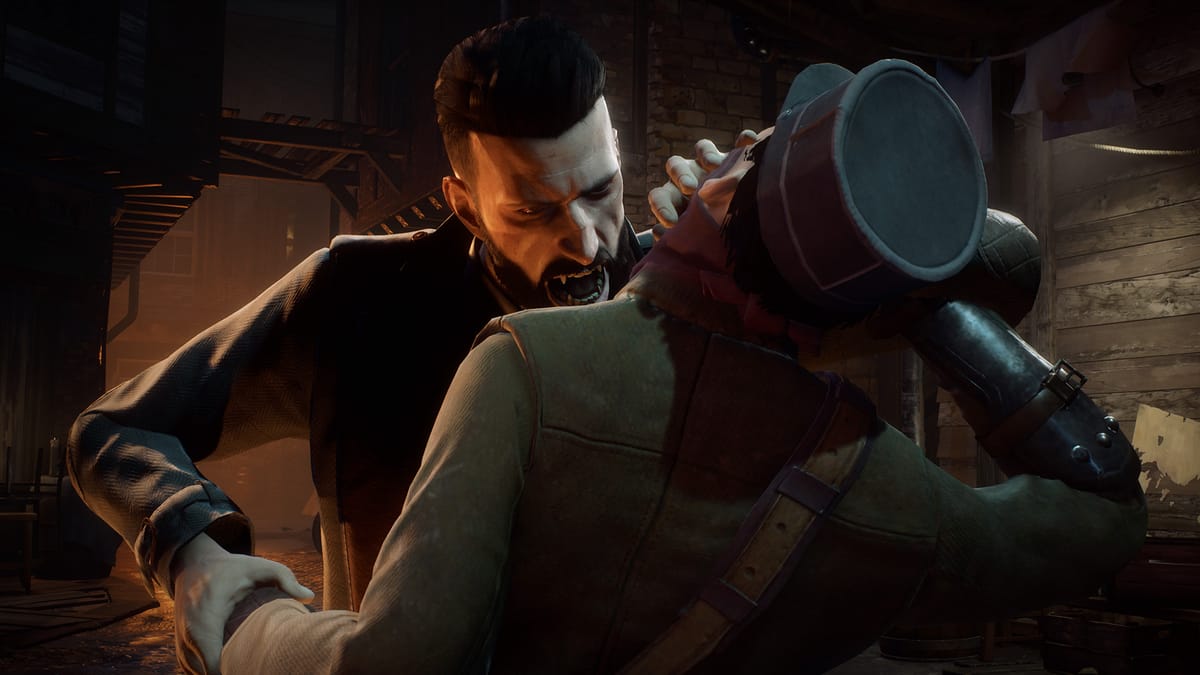
Where Remember Me pulled its cues from the Arkham games, the combat in Vampyr feels most heavily-inspired by things like Dark Souls. Success or failure here comes down to managing your stamina. There are multiple classes at weapons at your disposal, some of which change the tenor of the gameplay to a greater degree, and once you wear down your opponent’s stamina, you’re able to lunge in and bite them to gain blood energy. Blood energy can be spent on activating more-powerful vampire skills or used to heal yourself.
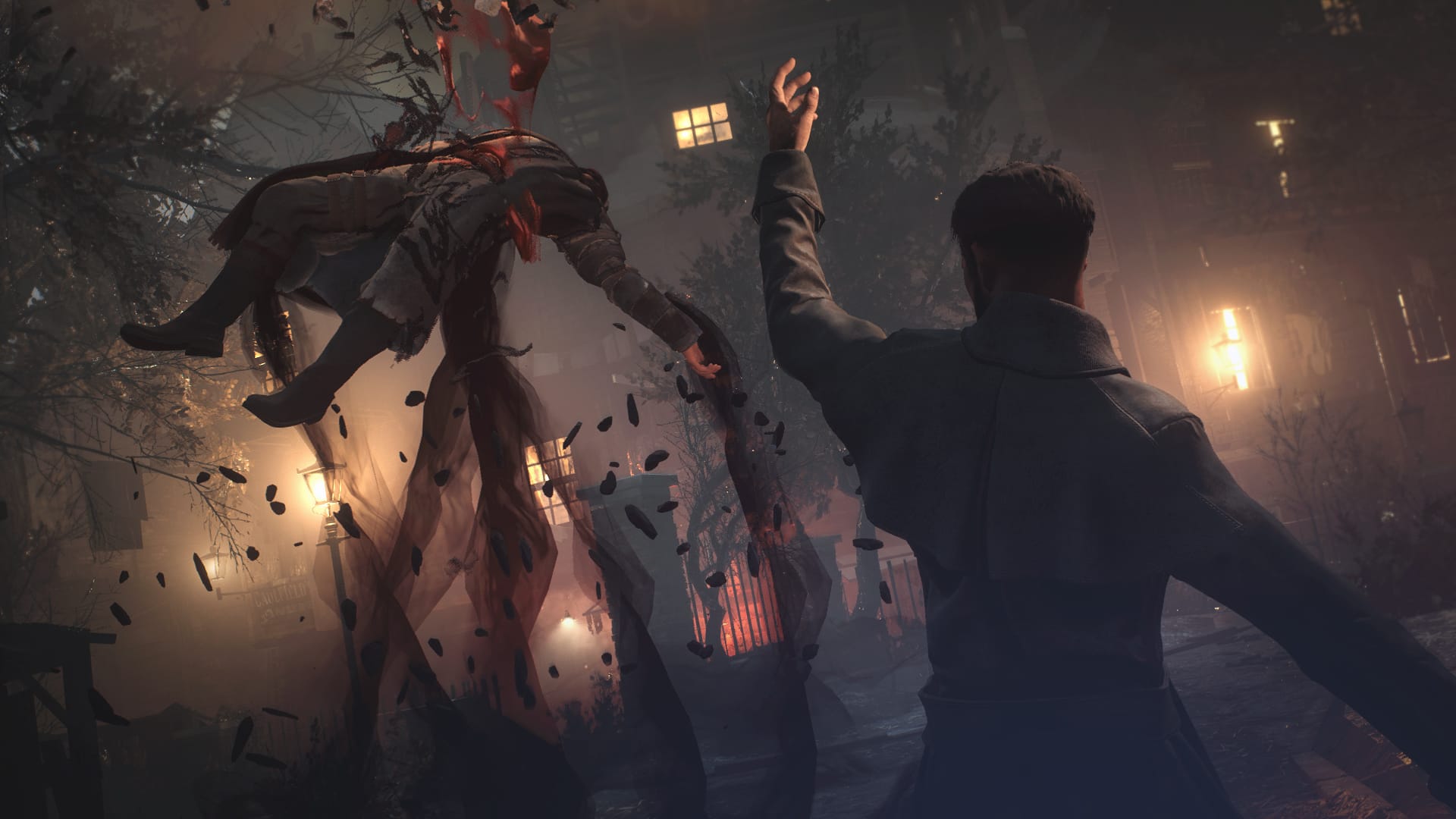
The skill-tree here is surprisingly dense and multifaceted and – to Dontnod’s credit – the game actually does deliver on its promise of putting you in a position where, when faced with a tough boss fight, you start trawling through the population of each district and working out who you can suck dry in order to give you that little bit of experience. Regretfully, a big part of the reason this the case is down to the way the combat plays out: Poorly.
Vampyr is accessible enough that makes a good impression during in the early hours of the game but I quickly became pretty tired of the limited enemy variety and listless level designs long before the credits rolled.
I mean, don’t get me wrong, the environments in Vampyr look and sound incredible. On both an audio and visual level, this thing is nothing short of a feast for the senses. At times, it feels like the game’s gothic battlegrounds don't just sway in the moonlight but positively creak. This specific vision of London feels lived in and the sense of place that Dontnod manage to imbue in the game's backdrop is an evocative one, lending credence, pathos and a persistent, looming sense of dread.
Unfortunately, in terms of providing an interesting playground for combat experiences, Vampyr is both disappointing and frustrating. Every fight boils down to the same, simplistic little loop, and not in a good way. You simply mash on the same two attack buttons until your stamina runs out, bide your time by dodging enemy attacks until it regenerates. Rinse, repeat. There were no tricks or tactics to deploy here, raw attrition was always the only most attainable path to victory.
Vampyr flirts with the idea of stealth mechanics but fails to flesh them out in any meaningful way, which frustrated me as a player who wanted to lean into that side of things. You can sneak up on enemies for an easy stun but it rarely feels fun or worth it. What's more, this style of play is outright useless in boss fights. Worse-still, the larger structure of the game is so reliant on your revisiting the same areas over-and-over again that the whole thing feels overly repetitive long before you hit the credits.
The Bottom Line
Much like Dontnod’s debut Remember Me, Vampyr is a uniquely-conceived and gorgeous-looking game that’s let down by a set of deeper flaws. There's ample originality here but it's let down by more-than-a-few lackluster executions.
There’s a part of me that feels like the atmospheric production values and intoxicating morality systems here alone are almost worth the price of admission alone. Unfortunately, some sloppy combat design and a main narrative arc that fails to pay off hold Vampyr from living up to its lofty-ambitions – and holds it back from an unreserved recommendation.
If you hear the words ‘Victorian-era vampire action RPG’ and are immediately sold on the concept, you’ll probably still find enough to dig here for it be worth the sizable time investment of seeing Vampyr through to its conclusion. Otherwise, it’s a bit of a bloody mess.