Where did ALT: GAMES come from?
What's the story behind Western Sydney's latest celebration of gaming culture?

What's the story behind Western Sydney's latest celebration of gaming culture?
My guest for this issue of Multiplier is Chloe Appleby. Appleby is the program curator for games at Powerhouse and has been an fierce advocate for the cultural value of Australia's game development landscape for the better part of the last decade. Their work was later recognised in the form of the Rising Star Award at the 2024 Australia Game Development Awards.
The initial incarnation of ALT: GAMES took place in 2025 and the follow-up is slated to take place on the 18th and 19th of April 2026 at Parramatta Town Hall. You can find the full schedule and buy tickets for the event via the Powerhouse website.
Fergus: Melbourne might have PAX, but Sydney has a long history of gaming and geek culture conventions – from Supernova and EB Expo to RTX and GX Australia.
Plenty have come and gone over the years. SXSW Sydney is only the most recent example, and I can't help but suspect that the homogeneity of these events hasn't helped. It's fun to go and hang out with people who share the same interest as you, even if you know you're going to end up in the orbit of the same gaudy brands, overpriced merch and greasy convention grub you can find at every other such gathering.
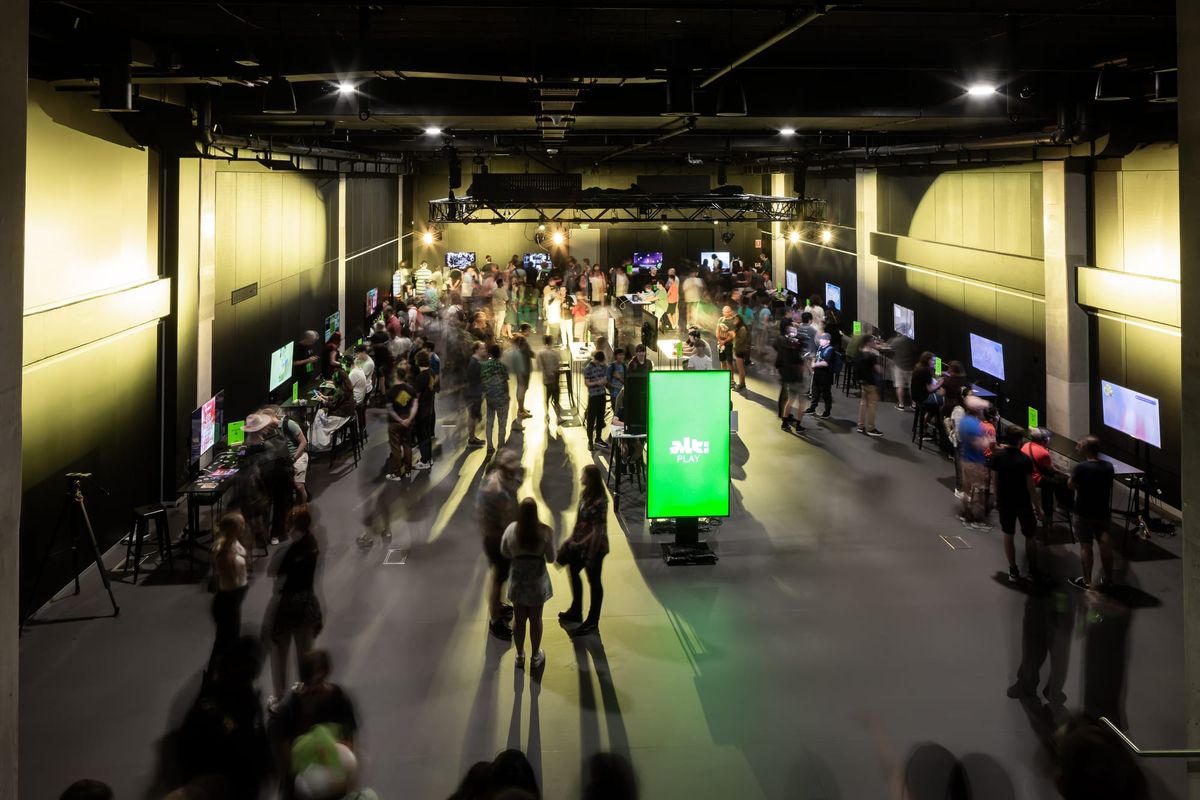
As someone who attended ALT: GAMES last year, I was really struck by not just how different the overall vibe was but how much it ran against the grain of my expectations when it comes to Australian gaming events.
I didn't have to trek all the way into the city or over to a convention center. I just went to the local library. There was only one theater, but every talk felt like one I wanted to sit in on. The selection of speakers was really thoughtful and the game lineup was filled with stuff that you were delighted to discover.
For disclosure's sake, I suppose I should mention that one of my partner's projects was included in the latter but, in any case, my main point is that I expected ALT: GAMES to be good. The thing that surprised me was just how unique and different it felt to other local gaming events.
As someone who has been part of the scene for so long, how did that come about? How much is down to your intentions, the physical realities of the venue, or the fact that it is run by an institution like the Powerhouse rather than a commercial entity?
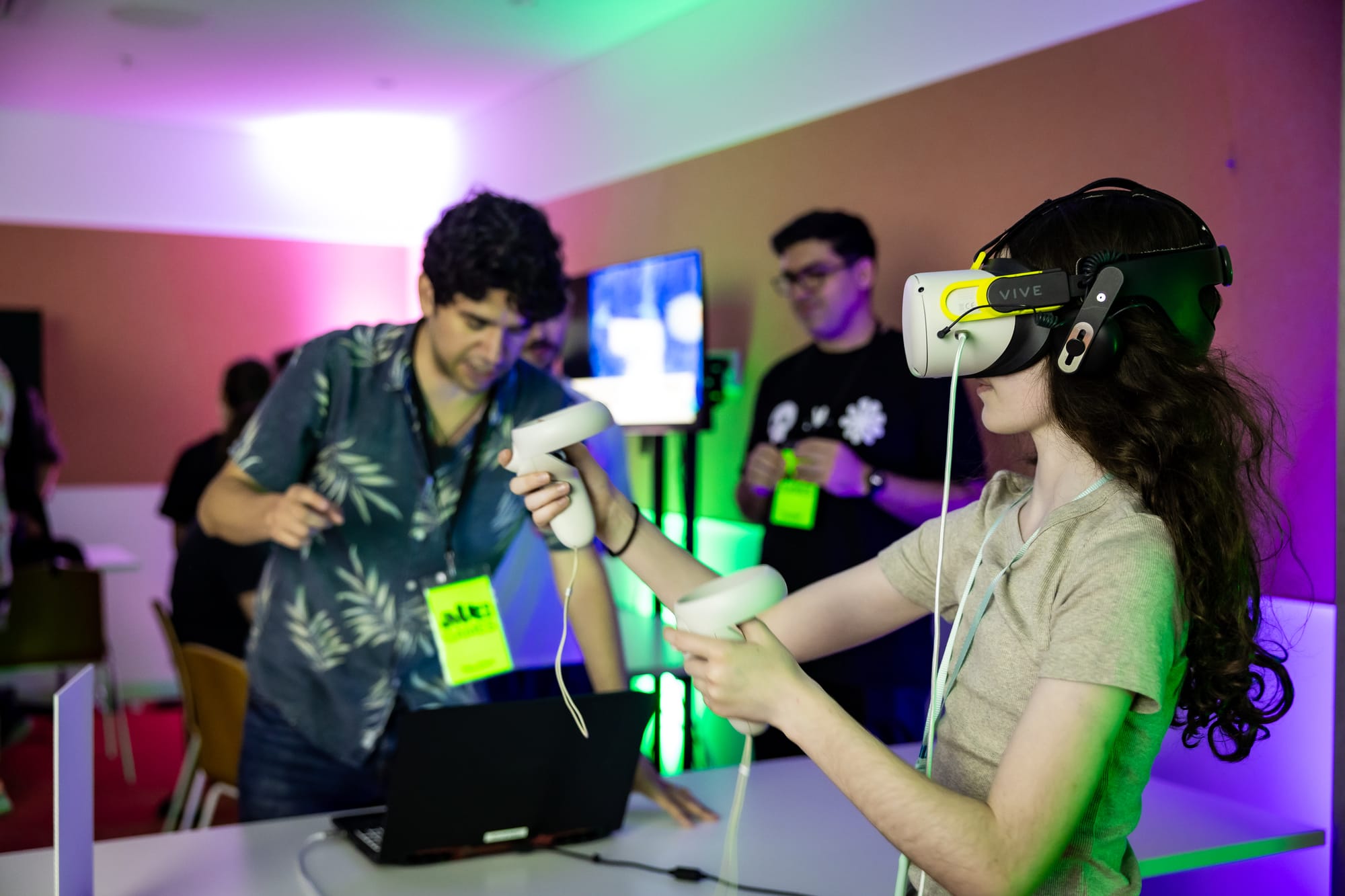
Chloe: Super briefly, ALT: GAMES started from recognising the need to support community post-COIVD lockdowns in 2021 and the overwhelming outpour of joy from being recognised by developers in Sydney.
Before ALT: GAMES, there was Powerhouse Lates, which was a series of late-night events held on a Thursday that celebrated different creative industries across Sydney. Leading the four iterations of Powerhouse Late: Gaming, I sought to provide a space to come together, to knowledge share, and to connect. It put indie developers in the spotlight.
From the success and response to these Late events, conversations I had transformed into how can the Powerhouse, and museums more broadly, can continue to support the indie scene.
Listening to community and implementing aspirations, ALT: GAMES was developed to meet these needs while moving away from the established atmosphere of the Late events to be its own entity.
The feeling of the event emerges from the community that comes is generated from the emphasis of the games showcased and the people who are present. Further, the talent we engage for the festival have a relationship to the indie scene, consulting, supporting, creating or advocating, to strengthen the relationship to community.
These events feel different as they are embedded into place, the Powerhouse, which completely removes it from the norms of expo or conferences. The museum is a place for community to gather, it acts as a platform for validation and through these events establishes a different relationship between the local community, the venue and the city it is held in.
Fergus: That’s fascinating. What were the specific community needs that you weren’t able to meet with the various incarnations of Late that preceded ALT?
Chloe: We had the very fortunate problem that there was a demand for longer hours and the need to for it to be on a weekend for more people to attend.
Community overwhelmingly expressed that they wanted the Late programs to be longer to get more feedback from museum audiences. Notably, university students also couldn’t attend due to part time work on weekday evenings and classes. These limitations were partly what fed into the Powerhouse’s decision to holding ALT: GAMES across a weekend.
To allow for both established and future game makers to attend and be inspired. It was developed for industry to platform their games, their voices and to show wider communities the incredible breadth of games outside of the usual AAA titles.
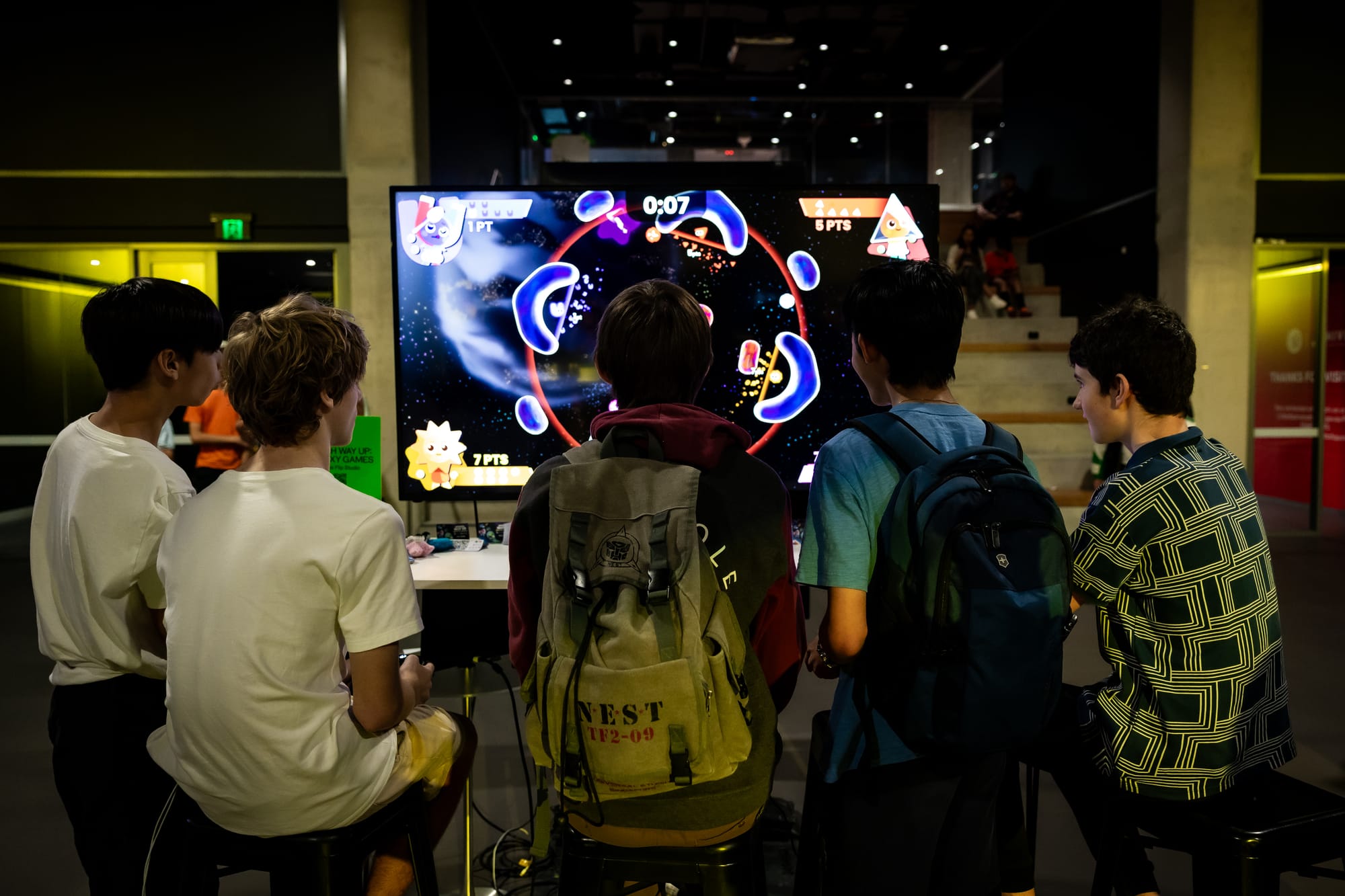
Fergus: Obviously, the migration of the Powerhouse over to Parramatta has been a long time coming but it’s hard not to imagine the ability to reach parts of the Sydney gaming community that might otherwise find it difficult to engage with an event located in the city or even just in the evening on a weeknight.
Likewise, the talent that you’ve gotten for both the first and upcoming incarnation of ALT: GAMES has been really impressive. Do you think the community-focus and the involvement of an institution like Powerhouse opens (or closes) different doors in terms of the programming side of things? What are those conversations like?
Chloe: Honestly, the combination of community focus and Powerhouse’s backing doesn’t close doors as much as it reshapes which ones open.
ALT: GAMES as part of an institution broadens access, reduces barriers and brings diverse voices into the space. It also allows for thoughtful and purposeful curation of the program which excites those to be involved at both national and international scales. Developers are excited to be involved within the museum context as it provides a level of cultural stability and visibility that helps practitioners feel supported. These conversations we are having are incredible, to see community come to life when explaining their games and practices.
With Powerhouse having a site in Parramatta about to open and ALT: GAMES based in Western Sydney, we can connect to audiences especially to those who may have found it challenging to attend programs in the Sydney CBD.
Fergus: I remember a few years back, there was a lot of discourse within the local scene about the role that alcohol plays in gaming spaces. Maybe it’s time a similar conversation was had about corporate sponsors for gaming events. Obviously, these things need financial support to happen. However, I can’t help but wonder how much of the specific vibe that last year’s ALT had going for it was down to how free it felt from that stuff.
Chloe: With ALT: GAMES, this year’s and the previous year’s festival didn’t have alcohol as part of its programming however I would argue that the feeling that was created came from its cultural setting. It’s involvement in the museum creates this unique environment that can’t be replicated in gaming spaces. Audiences attending the festival see practitioners as creatives to learn from and play the games showcased with a sense of cultural significance.
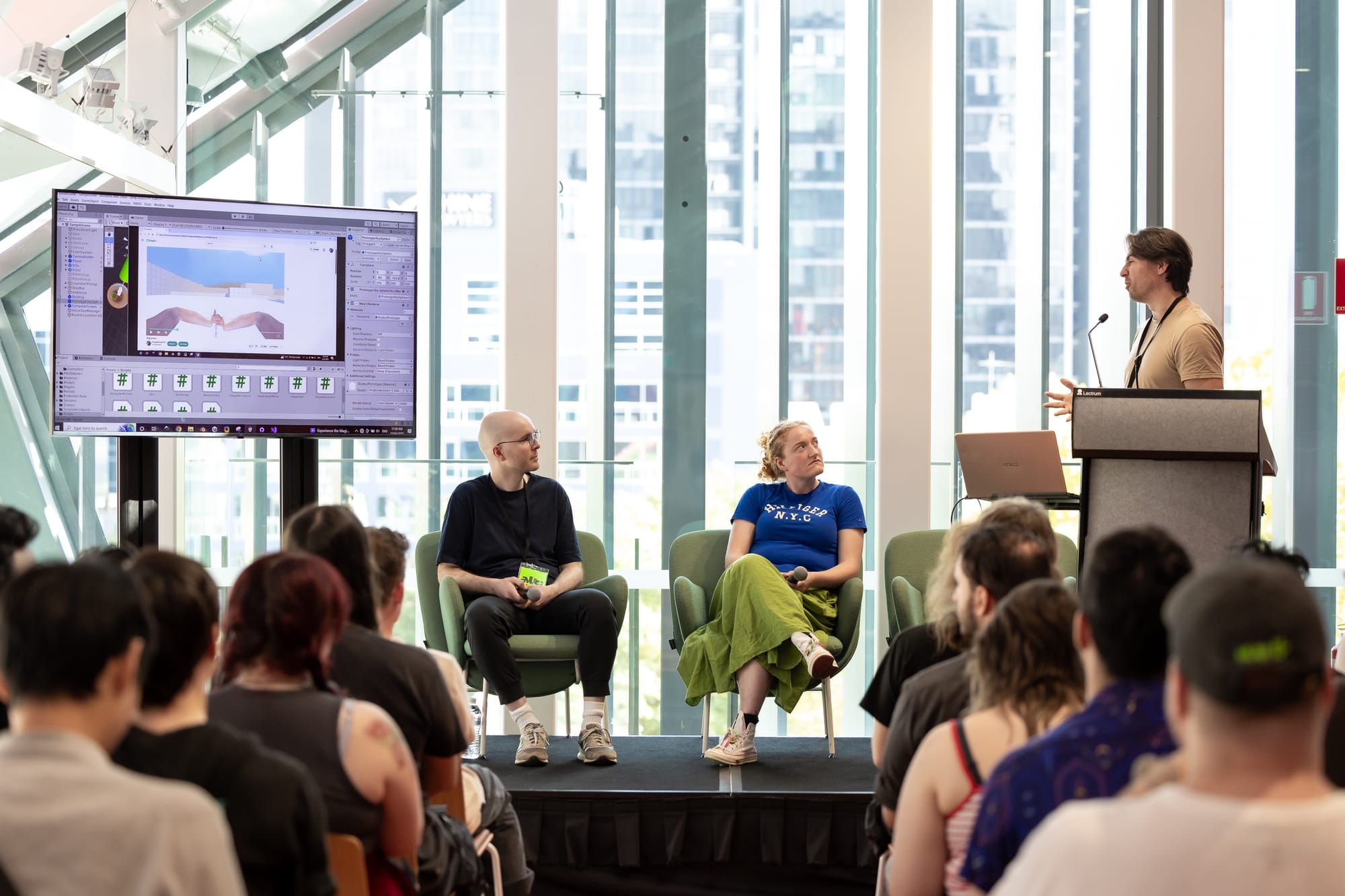
Fergus: As you move forward, I have to imagine that you have ambitions for what a bigger and better version of ALT could be. Does that vision ever get so big that it has to incorporate more external sponsors? How important is growth to the longevity of an event like this one?
Chloe: As part of the festival’s growth at Powerhouse, it seeks to invest in both the NSW and broader games scene. It is extremely exhilarating to see the games developed by community each year and how the program gives practitioners gaining the confidence to participate and show their work on a large scale.
Not only would ALT: GAMES be looking for local, state and federal government support but also for like-minded commercial partners to support its growth and scale for many years to come.