World of Warcraft: Midnight (2026) review
Reverent retcon.

Reverent retcon
The year is 2007, and I am diligently clicking away at the mana wryms. Nineteen years later, Eversong Forest is not as I remember it but this work continues nevertheless. I am once again vanquishing wayward wryms within the woodlands of Quel’Thalas, though the World of Warcraft that extends beyond its borders is now a very different place.
Midnight is the eleventh expansion pack for the iconic MMORPG that spawned a wave of imitators but outlasted them all. Billed as the second installment in a trilogy of add-ons that Blizzard is calling The Worldsoul Saga, Midnight is a follow-up to 2024’s The War Within. It follows the same core cast of characters, continues the ongoing story and expands on the loose ends left dangling in the last installment.
In more than a few ways though, it feels like a spiritual sequel to the most significant expansion pack in World of Warcraft’s history: the first.
Veterans of the Crusade
Wrath of the Lich King might have been the series’ peak in popularity, but 2007’s Burning Crusade was the World of Warcraft expansion pack that set out the template for everything that’s followed since. It added new races in the form of the Blood Elves and Draenei, raised the level cap, added flying mounts, and expanded the frontier from the shores of Azeroth to the otherworldly expanse known as the Outlands.
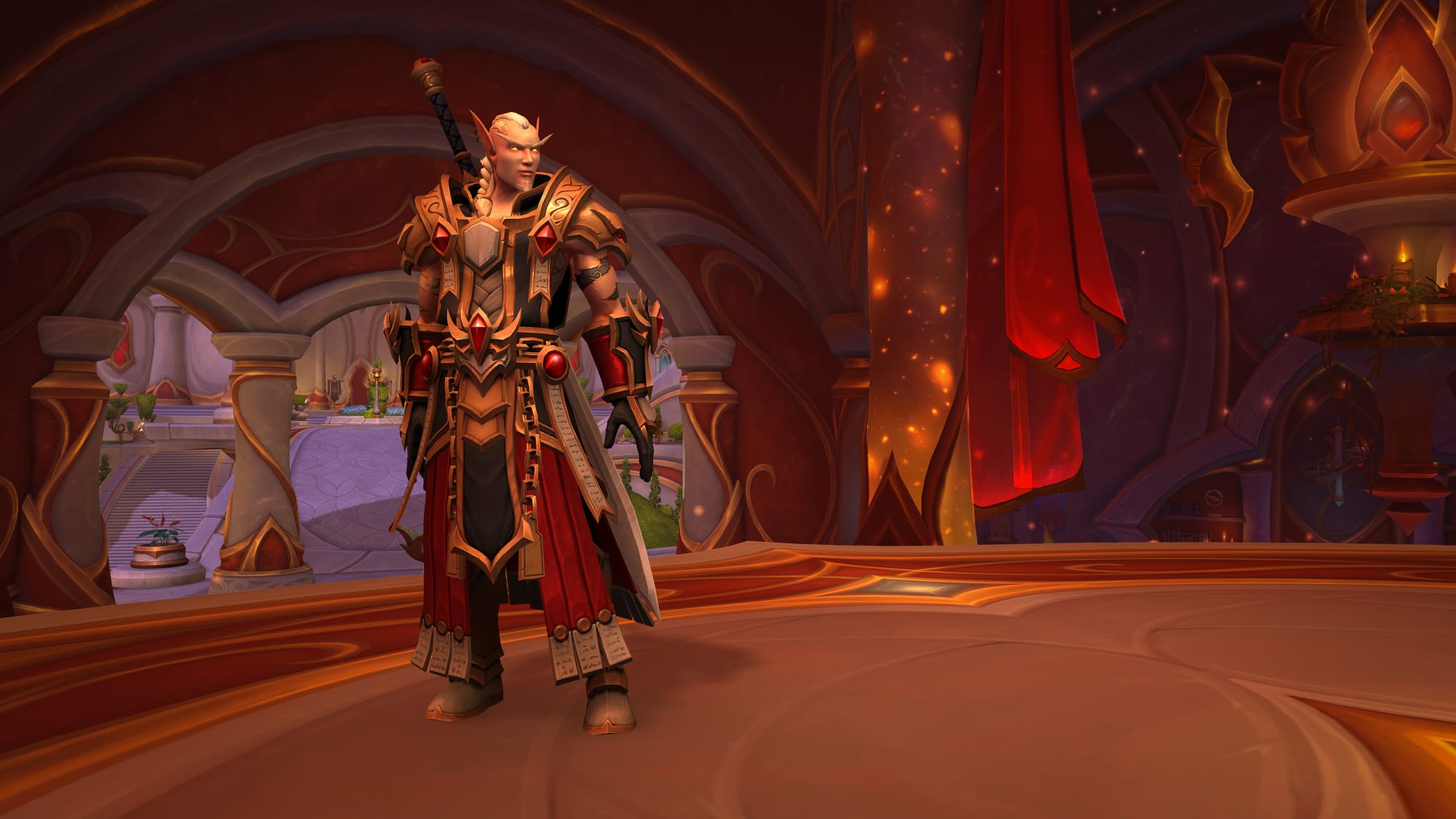
In retrospect, Burning Crusade was the expansion pack that cemented Blizzard’s breakout MMORPG and turned World of Warcraft from another Everquest into an epic saga of its own. It did this by giving the comparatively-generic archetypes and relatively-shallow lore introduced in earlier installments of the franchise an overhaul that brought them into the spotlight and updated them for the series’ modern sensibilities.
Specifically, it picked up where Warcraft 3’s ‘Curse of the Blood Elves’ campaign left off – reintroducing Illidan Stormrage and his retinue of anti-heroes like Kael’Thas Sunstrider, and Lady Vashj as endgame antagonists for the adventurers of Azeroth to face off against in an epic struggle for the fate of the Outlands.
Every expansion since then has followed this model, from the aforementioned Wrath of the Lich King to The War Within. This latest one is no exception, and in the same way that World of Warcraft’s first expansion retconned and revamped the Outlands seen in Frozen Throne and Beyond The Dark Portal, Midnight revamps the city of Silvermoon and the lands that surround the Isle of Quel’Danas.
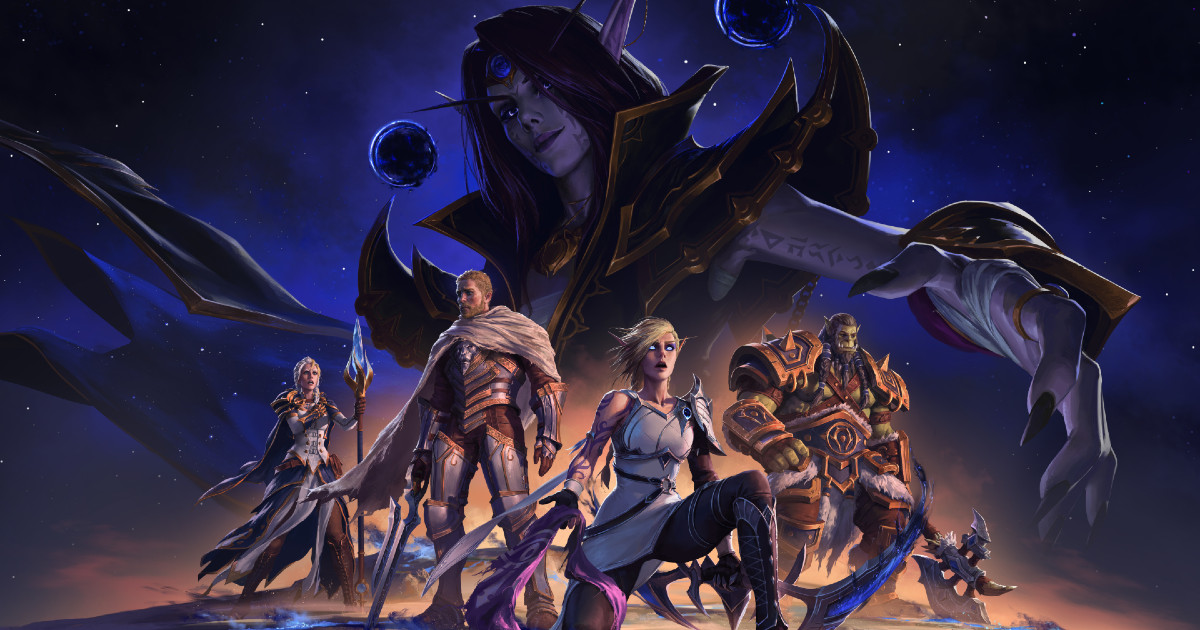
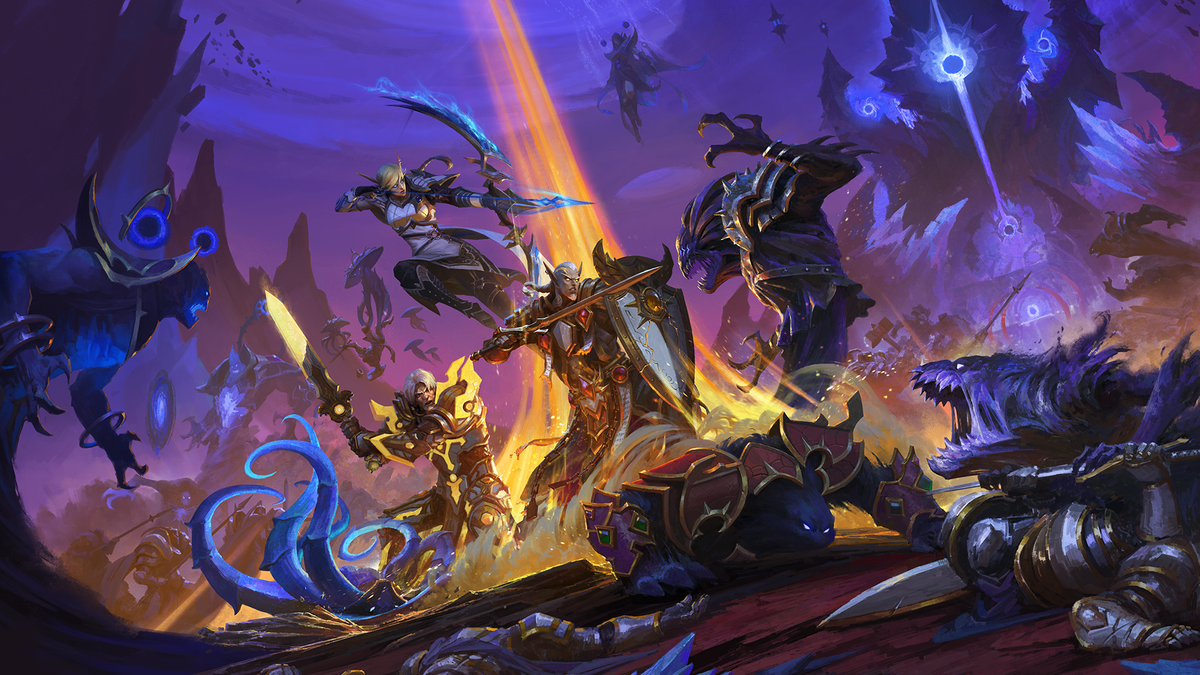
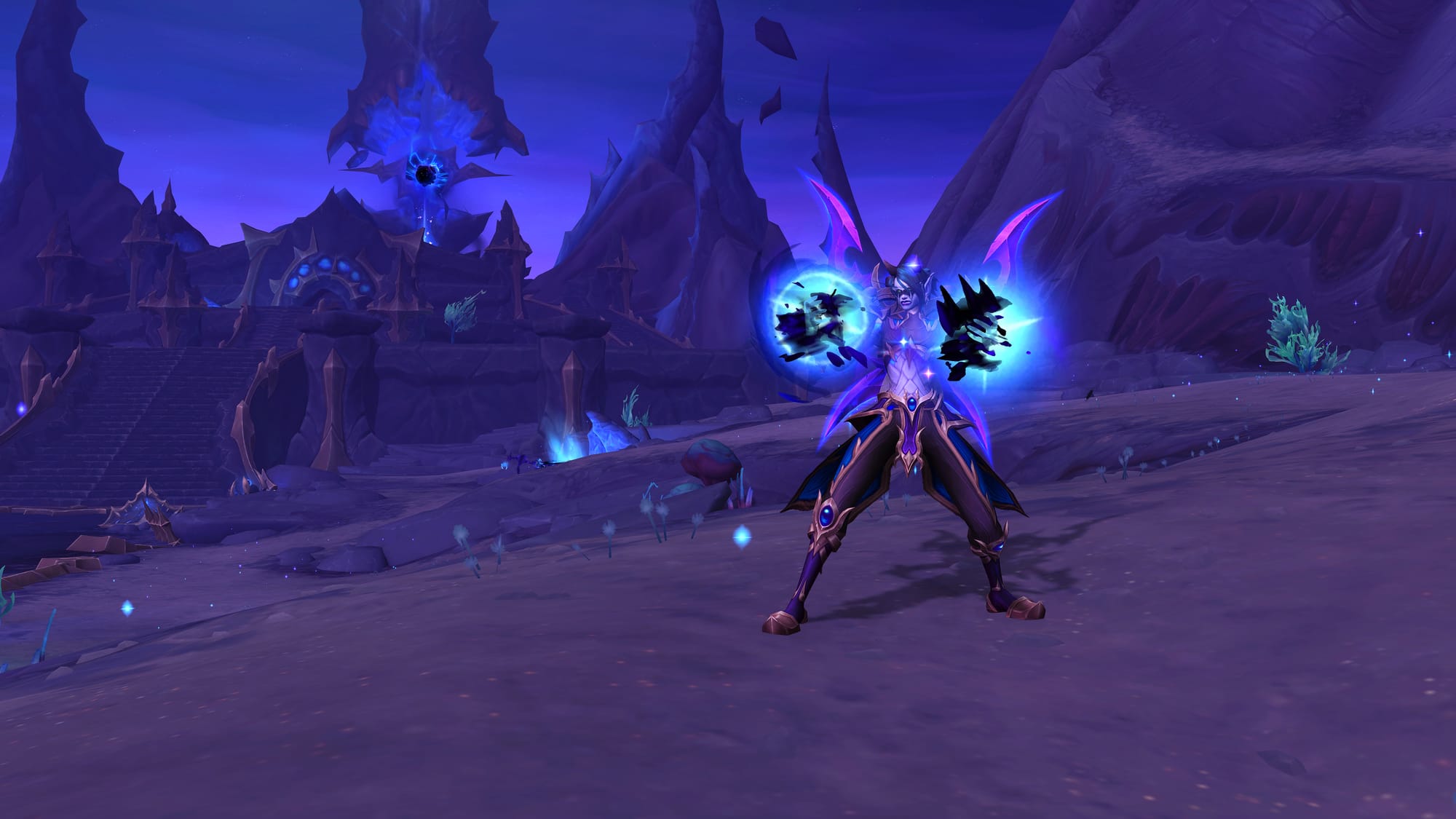
As teased from as far back as Midnight’s initial announcement, the expansion begins with an epic battle sequence that sees you turn the tide against the encroaching forces of WoW’s current reigning big bad evil girlboss – Xal’atath – before sending you southwards to quell the unrest that her violent attempts to wrest control of the mythical font of power known as the Sunwell has left in its wake.
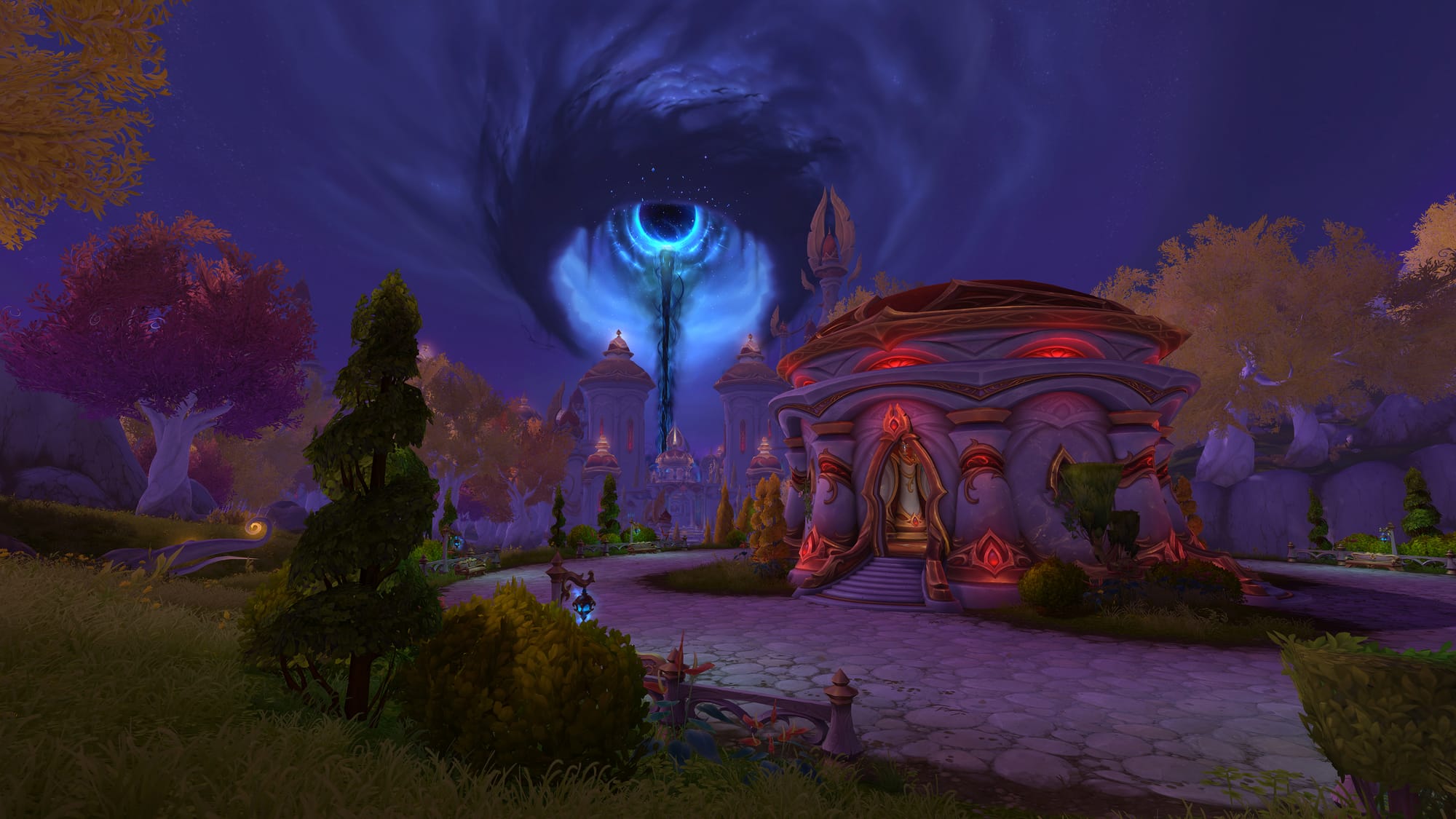
Where The War Within took a fresh stab at the subterranean regions of Azeroth, Midnight’s motif is more aligned towards forests. The expansion’s main questline might begin with you traversing a remixed version of the autumnal Eversong Forest, but it isn’t long before it takes you across the mountains to the homeland of the Amani troll tribes – where Burning Crusade’s Zul’Aman raid has been reimagined as an entire zone – and deep underground – to the very roots of the Teldrassil – where the homeland of the Haranir lies. Eventually – as has happened a few times in WoW recently – your journey ends up in space as you take the fight to Xal’atath directly by launching yourself into the depth of the voidstorm that hovers over the city of Silvermoon.
If every expansion pack since 2007 has been an iteration on the formula that Burning Crusade introduced, this one is less maximalist and more focused. Hellfire Peninsula, Nagrand and Shadowmoon Valley might loom large in the minds and memories of Warcraft fans, but there's a chaotic incoherence to the variety they often evoked. The zones in Midnight are varied, but not distractingly so. For as much as Blizzard’s latest expansion for World of Warcraft seeks to echo its first, it’s clear that those steering the wheel aren’t afraid to forget the many lessons learned between now and then.
Turning points
Another difference here is that while Burning Crusade (and everything that’s come after) has often mined Warcraft’s wealth of lore for new antagonists, Midnight leans in the opposite direction. New faces and factions are now finally taking center stage. While series regulars like Thrall and Jaina are still around, more time is spent investing in new cast members like Arator and Orweyna. This is a welcome change that helps this expansion feel like more than just more Warcraft, even if Midnight is – perhaps inescapably – very much that.
As you would expect from any new expansion pack for World of Warcraft nowadays, there’s something for everyone in Midnight. There are new PVP activities, there’s new gear to acquire, new cosmetics such as pets and mounts to collect, dungeons to conquer, quests to complete, and more. With the notable but not surprising exception of the seasonal and expansion-specific endgame activities spotlighted in The War Within, Midnight adds a ton of stuff to do to a game that already feels impossibly large.
If you don’t care about any specific part of that list, it likely won’t get in the way of you having a good time here. However, if you’re looking for excuses or new systems to invest your time into, there’s a surplus of distractions on offer.
Case in point, Midnight introduces a nifty new Prey system that’s loosely inspired by the Nemesis System in Middle-Earth: Shadow of Mordor. This addition isn’t quite as flashy or memorable as its inspiration, but it does add another hook that’ll keep you engaged in the endgame loop of completing world quests, accruing faction reputation and unlocking new loot and looks.
Then, there’s the Housing system. Even as far back as Burning Crusade, this is something that World of Warcraft players have long been asking for, so it’s great to see it finally arrive – even if it’s nothing that I’m super interested in messing with. It was neat to find a new type of collectible in the loot pool, but given that the feature soft-launched back in 2025 I don’t have a huge amount to add to the ongoing conversation about it. It isn’t for me, but it’s easy to appreciate the extra dimension it adds to the meta-game.
Not to be too cynical about it, but your mileage with World of Warcraft these days largely hinges on your desire to customize your character, watch the numbers go up, and accrue an ever-expanding repertoire of pets, mounts, and in-game collectibles. Where the World of Warcraft prior to Burning Crusade was one that generated headline after headline about social gaming, the one that exists today is much more anti-social by design.
I don’t necessarily hate that though, to be clear. As someone who does not have the spare time that I once did, the fact that Midnight is as solo-friendly as it is goes a long way. While World of Warcraft still has a fairly loyal and large player-base, it’s not necessarily the kind of game you can encourage your friends to jump into in the same way that it once was. It’s true that Blizzard has done a ton to revamp the game and make it more accessible to new and returning players over the years. Midnight even adds to that legacy by bringing with it changes to the Exile’s Reach zones. However, it’s also undeniable that this style of game is just a little old-fashioned in 2026.
For as much as Diablo often gets treated as the torchbearer for the concept of action RPGs, there's something to be said for the crunchy real time action economy of World of Warcraft. These days, it feels like I inevitably compare everything to Dungeons & Dragons but when you think about the cooldown cycling in World of Warcraft as an evolution of the pause-and-play combat in old-school CRPGs, a lot of what makes this game feel clunky or hard to get into starts to lock into place.
World of Warcraft is over twenty years old and while that anachronistic quality is something that really draws me back to the game every few years, it simply isn’t pick-up-and-play friendly in the way that something like Helldivers or Lethal Company is.
As is evident by this point, there is no shortage of things I dig about Midnight. But that is not to say there are no missteps. The relative absence of Illidan Stormrage from the main plot in Burning Crusade prompted Blizzard to give Arthas Menethil a more active role in Wrath of the Lich King. Unfortunately, Midnight’s adherence to the blueprint laid out by Burning Crusade works against it here. Although Xal’atath has been a major presence in the major content updates that World of Warcraft has seen since the launch of The War Within, she’s mostly kept off-screen here for the worse.
The other quibble I have is that Harandar – which is probably the weakest zone of the four – is that both geographically and narratively, it feels a little disconnected from the rest of what’s happening in the expansion. The through-line for this area is tied to unlocking the Haranir Allied Race, so perhaps I would have liked it more if I was more intrigued by that specific corner of the wider Warcraft lore. Still, I found it by far the most forgettable of Midnight’s three forest zones.
For longtime Warcraft players, it likely won’t go unnoticed that – as with The War Within – it feels like there’s no longer any meaningful delineation between the Horde and Alliance sides of the story. I can’t entirely begrudge the team at Blizzard for this, as I can only imagine it makes it easier to manage the sprawling timeline of a series with this many installments. The animosity between the Horde and the Alliance tends to drift as narratively necessary so I can only assume we are about two more expansions before someone tries to put the war back in Warcraft once more.

Then again, maybe this is just another way that Midnight echoes Burning Crusade. That expansion was arguably the start of the seemingly-endless ouroboros that the Warcraft franchise has become. Burning Crusade was the moment where the series first circled back on itself, transmuting lore and loose ends into fresh new adversaries and adventures – devouring the past and digesting it to fuel the future.
In both its major and minor plotlines, Midnight makes a similar manoeuvre - sending you on a journey across Azeroth that adds new storylines to older zones. World of Warcraft has been around a long time and this is far from the first time Blizzard have dabbled with doing this. However, it’s rare for it to be so central to the selling point of a new expansion pack for the game.
In time, I think this specific innovation will be the thing that Midnight is remembered most for. Rather than just plopping a new continent onto World of Warcraft’s already-crowded megamap, this expansion opts to do what Burning Crusade did for Frozen Throne to great effect. When you’ve run out of new worlds to conquer, it’s only a matter of time before you start looking in the opposite direction.
The Bottom Line
The term retcon has a lot of baggage attached to it, especially when it comes to the World of Warcraft community. And for as much as longtime players might bemoan Cataclysm, nobody is out here barracking for Blizzard to wind back the clock and stick with the Burning Crusade incarnation of Eversong Forest and Qual’Thalas because the thing they’ve built on the bones of the expansion pack that set the stakes for everything that came after is exceptional.
Where The War Within managed to defy the odds and live up to the lofty bar set by Dragonflight, Midnight manages to soar higher still by stealing from the best. I don’t know if time will be as kind to this addition to World of Warcraft as it has been to Burning Crusade, but I know that I’d already count it among the saga’s best.
 Fergus Halliday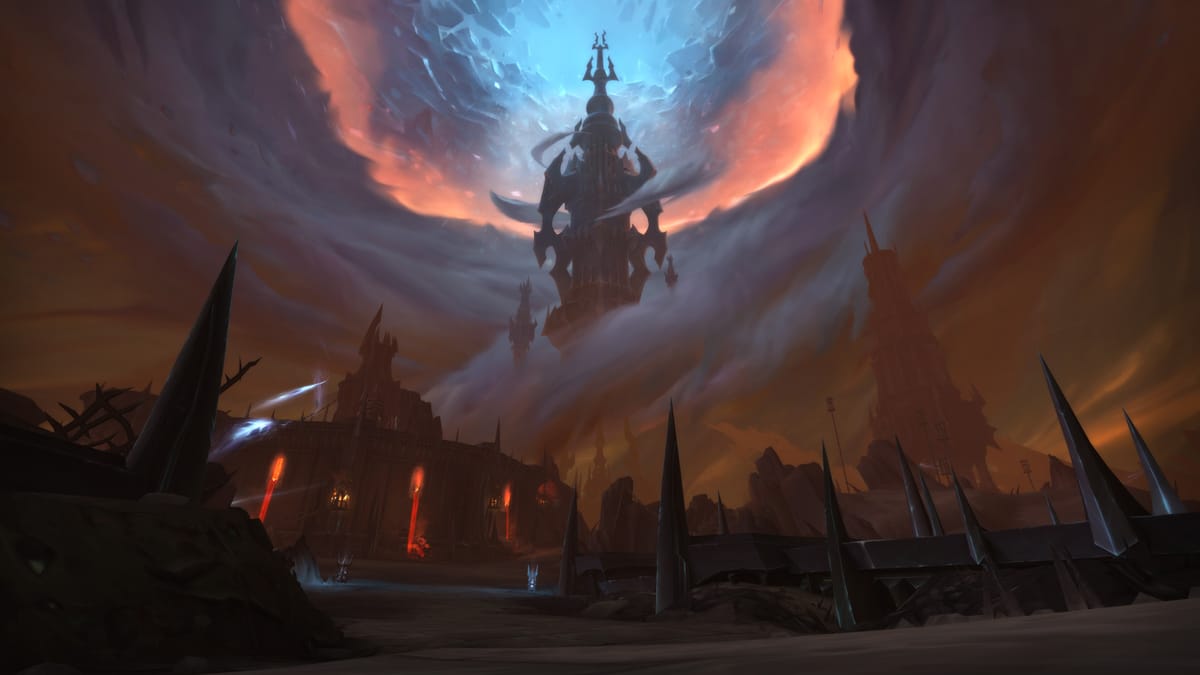
 Fergus Halliday