Diablo 4: Lord of Hatred (2026) review
Endgame build.

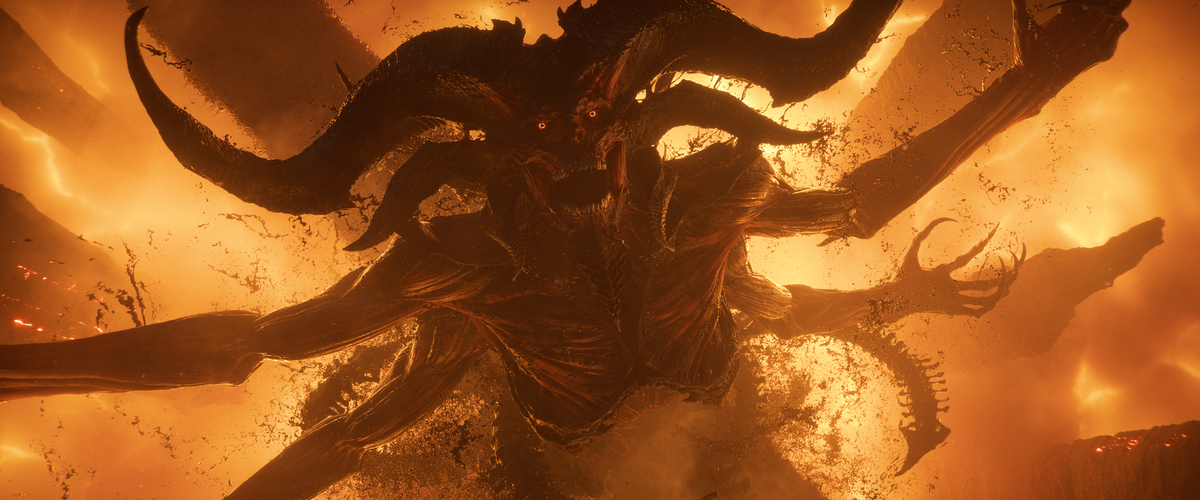
It’d be easy to see Lord of Hatred as just another Diablo expansion, but the follow up to 2024’s Vessel of Hatred doesn’t have to try hard to sell itself as a more significant milestone.
Lord of Hatred is also the first time that the series has taken players to the Isles of Skovos – the homeland of Diablo 2’s Amazon – and the only time since 2001’s Lord of Destruction that not one but two new classes have been added to the roster at once. Despite earlier failed attempts, this is the only instance where Blizzard has successfully developed and released a second expansion pack for a given installment of the Diablo franchise.
More than anything else though, Lord of Hatred is the third act of the larger narrative arc that began in the base game's campaign. It’s more than just more of what you know and expect from the series – though there is plenty of that.
Blizzard’s second expansion pack for Diablo 4 is a triumphant maturation that learns from the past few years of live-service experiments and fine-tunes the game’s larger vision of what it means to vanquish your demons.
Set in the aftermath of Vessel of Hatred – which saw the ancient demon Mephisto escape his prison and possess the body of a long-dead prophet named Akarat – Lord of Hatred sees you pursue the false messiah across the seas to the isles of Skovos. On arrival, you’ll find that not only have the masses turned against you, but that defeating Mephisto once and for all will require you to make an uneasy alliance with the devil you know.
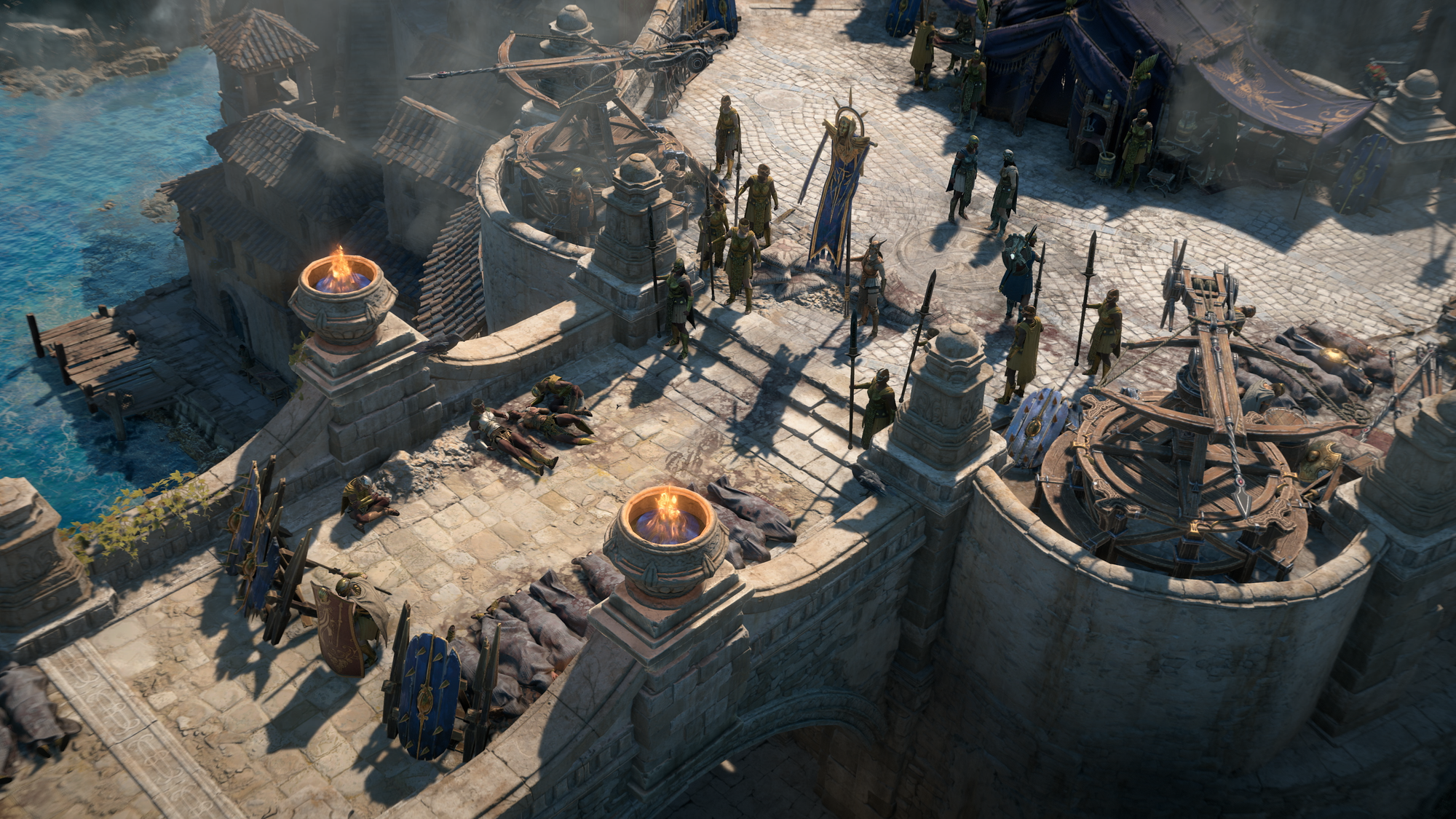
Resurrecting Lilith only a single expansion after her defeat could feel like a cheap indulgence, but it quickly proves itself a savvy bargain.
Although bringing Diablo 4’s big bad back into the fold offers plenty of juicy lore for longtime fans, the real gain here is an emotional core that helps the Lord of Hatred’s campaign stick the landing where its predecessors merely got the job done.
Where Vessel of Hatred and the base campaign saw me skip through dialogue more often than not, I quickly found myself slowing down to enjoy the cut-scenes a little more this time around. From Lorath to Lilith and even Mephisto himself, Lord of Hatred puts in the work of bringing these characters full circle. Maybe I’ve just spent long enough with these characters that the sense of dramatic tension that Lord of Hatred is chasing is more attainable, but it really does feel like the writing team really locked-in and got much closer to the more cinematic vision of Sanctuary that underpins this particular incarnation of the franchise.
The Isles of Skovos inject fresh flavor into Diablo 4’s open world, spicing up Sanctuary with new Amazonian architecture, volcanic environs, plus a dozen or so new dungeons to delve into.
When compared to Vessel of Hatred, it’s hard to shake the sense that the design team has simply gotten better at making these zones. Whether you’re moving through them at a slower clip and slaying every monster you come across or zipping through them on horseback, Skovos is not just nicer to look at but splendid to spend time in.
It probably helps that there is a little more variety this time around. Rather than trudge through patches of similarly dense jungle, you’ll zig and zag between populated urban areas and more Mediterranean mesas. There are even larger battlegrounds, where you’ll fight against demons alongside the Amazonian army – bringing a sense of scale of the on-screen conflict that the series has rarely been able to fully-realise in the past.
At times, it almost feels like Lord of Hatred’s single player campaign is a farewell to this version or era of Diablo writ large. It seems unlikely that further expansion packs won’t be on the cards given how well things seem to be going for Diablo 4, but it almost feels like Blizzard Entertainment could put a bow on things and call it a day here.
In any case, this new act is easily the best in Diablo 4 to date – balancing slower narrative beats, bigger set-pieces, rewarding reveals, and more satisfying boss fights.
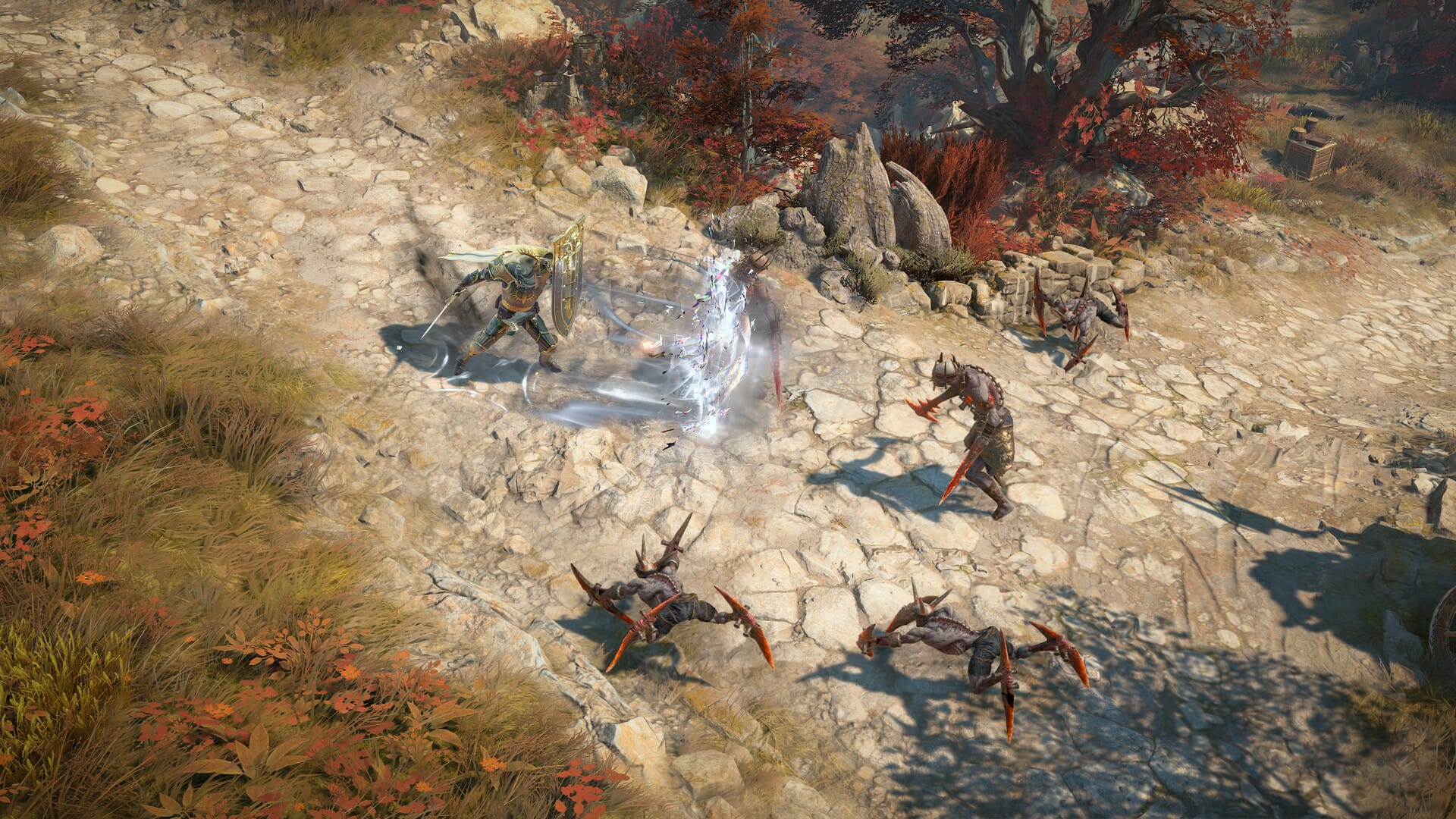
Even the side-quests are better this time around, with Blizzard hedging on quality over quantity. If you call it quits after finishing the campaign, it genuinely feels like you’ll be missing out on some of the best story beats in Lord of Hatred.
Of course, the end of the story is only the beginning of Diablo 4’s endgame progression.
Lord of Hatred learns from several seasons of experimentation and delivers the strongest version of that experience to date. In ways small and large, the expansion does a lot to unify the sizable roster of post-campaign activities into a more cohesive offering.
It no longer feels like you have to go on Reddit to get a sense of what to do once you finish the campaign, and it always feels like your character is growing in power as you spend more time accruing rare items, glyphs and other build optimisations.
New activities are unlocked as you move up into higher difficulty tiers, but there’s far from a shortage of things to do. Lord of Hatred’s first addition to the gauntlet of endgame activities comes in the form of Echoing Hatred. This is a faster but more furious take on the horde mode gameplay challenges available elsewhere – with longer survival times yielding better rewards.
The real game-changer here is the new War Plans system. This feature lets you queue up a sequence of endgame activities and complete it like you would a quest for improved rewards. Then, as you complete more activities, you can alter what those challenges look like via a set of skill trees associated with each.
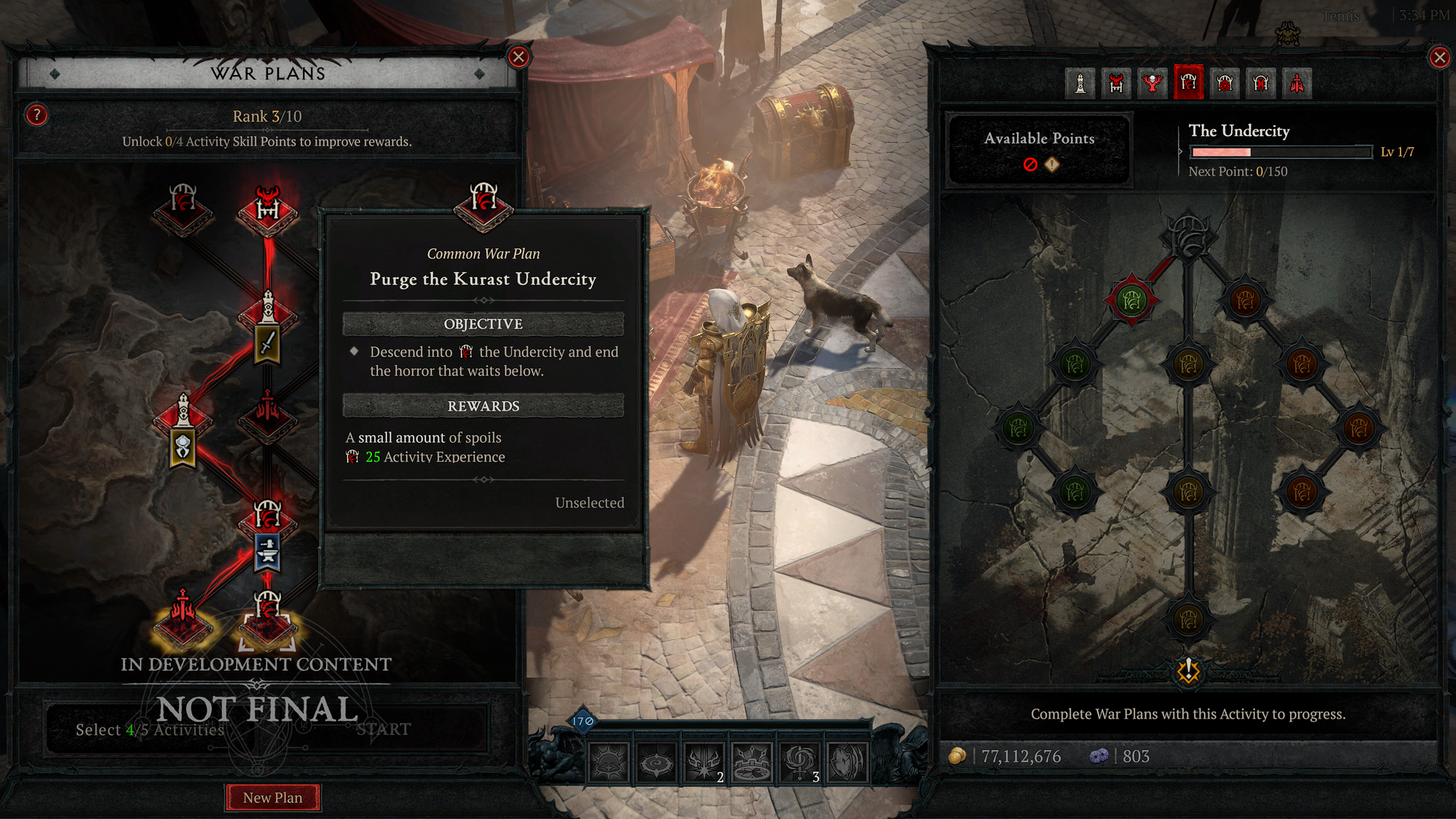
If you’re spending a lot of time running Nightmare Dungeons, you’re going to start getting even better rewards for doing so – and so on. It’s not entirely unlike the adventure mode that debuted in Reaper of Souls, but an evolved version of that idea that successfully melds together Diablo 4’s myriad endgame options into something more approachable.
In addition to deepening the endgame experience, Lord of Hatred also broadens it with two new playable classes. The Paladin is very much inspired by the Diablo 2 class of the same name, though it does incorporate some elements from Diablo 3’s Crusader. Much as you’d expect, the Paladin is a buff-heavy bruiser that can deal out holy damage to enemies and provide powerful boons to allies.
Meanwhile, the Warlock is a new caster that veers in the other direction by turning the dark powers vying to bring you down to your own ends. I can imagine no greater compliment than to say that this class reminded me a lot of Hellgate: London’s cabalist.
As with Vessel of Hatred’s Spiritborn, both of these new classes are a little bit busted in terms of balance at the moment – but that’s honestly part of the fun with a new expansion at this point. As things settle down, it's easy to see how they fit in as a natural expansion of the existing roster.
If anything, the only aspect of Lord of Hatred that inspired genuine ire from me was the way that the game now handles in-game micro-transactions.
Several seasons back, Blizzard revamped the way that battle pass rewards work in Diablo 4 to resemble the more modular approach seen in Helldivers. Although this change does vaguely offer players who don’t spend money more, the amount of friction it brings to the interface was a frequent and massive drag on my enthusiasm. I’d sometimes be waiting 10-15 seconds just to see what rewards I could unlock, then even longer for those transactions to resolve. Diablo has always been in a battle to find the right amount of friction, but this particular front feels completely out of sync with the rest of the experience.
This is not necessarily an argument in favor of more or "better" micro-transactions, though the new World of Warcraft raiding skins are laser targeted at my brain. It’s more of an observation that where the rest of the game is firing on all cylinders, this one specific tab in the main menu is a bit of a garbage fire by comparison.
I was also a little bit frustrated by the performance. Lord of Hatred is the first Diablo 4 campaign that I played through primarily on Steam Deck, and while I got through most of the new act without issue the more chaotic on-screen action of endgame activities quickly saw crashing become more of a regular occurrence. Obviously, there are technical constraints to the experience that the humble hardware of a handheld can offer.
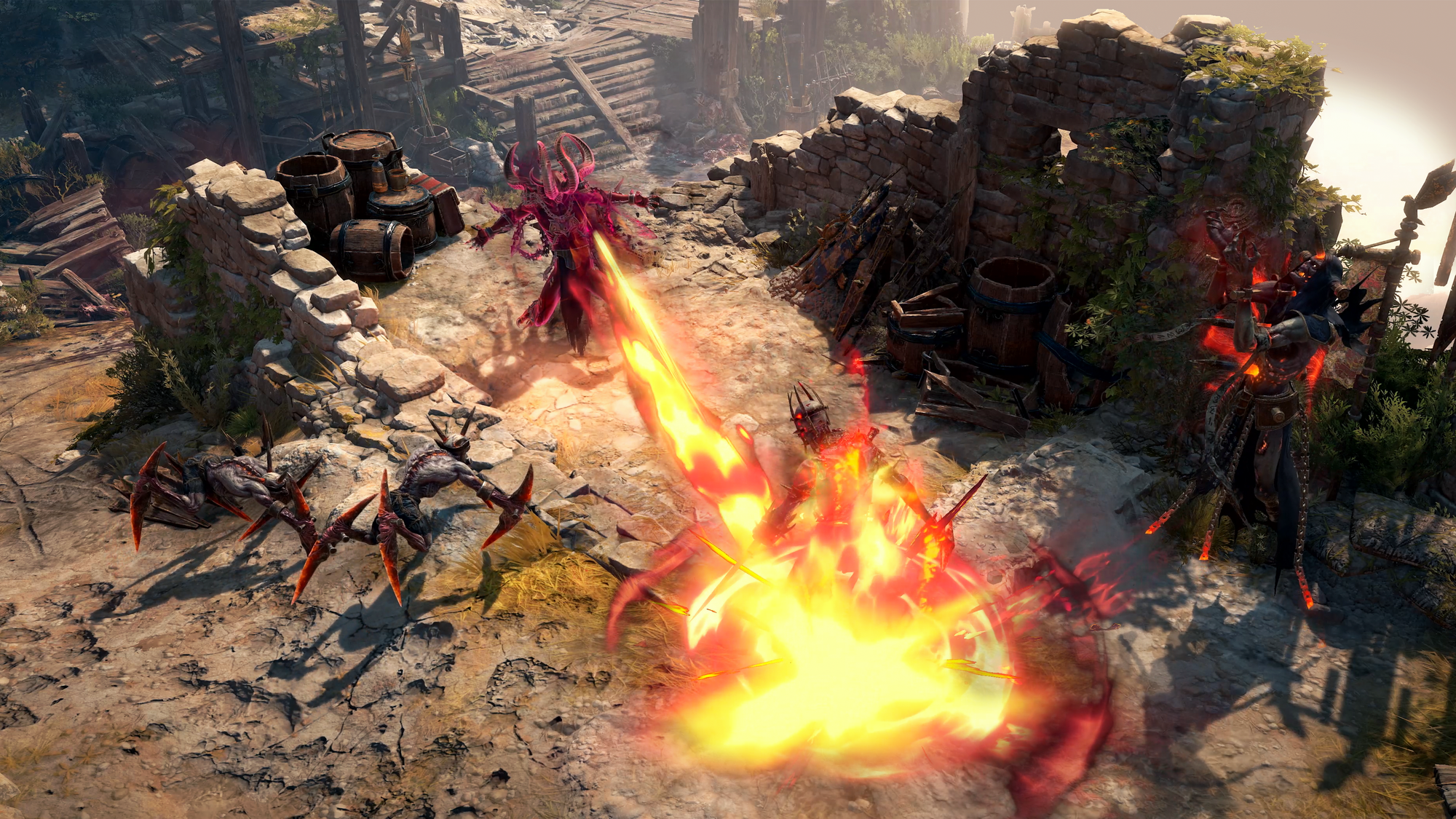
Still, the ability to run games like Diablo on leaner hardware without major technical issues has always been a value that I respect about Blizzard’s broader approach to PC gaming. With any luck, some post-launch patches will bring with them some optimisation and technical tweaks. However, if you’re keen for a cleaner experience, your patience will likely be rewarded before long.
Even so, Lord of Hatred is easily the most compelling Diablo 4 has been to date. Even if this particular take on Diablo might not sate the specific appetites of those better served by earlier incarnations, Blizzard still manages to offer a timely reminder of why they are the masters of the expansion pack.
Diablo 4’s second major add-on offers more than you’d expect on multiple fronts and helps the series’ biggest installment reach new heights worthy of that moniker.