Did anyone really win from the biggest merger in video game history?
Microsoft may have beaten regulators, but it doesn't seem to have helped in the long run.

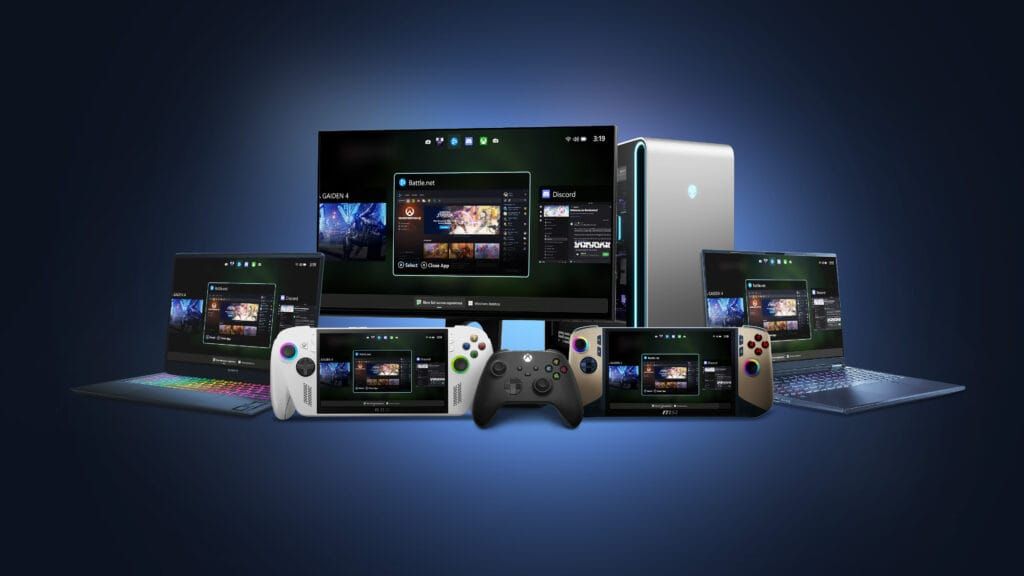
Microsoft may have beaten regulators, but is it losing the long game?
My guest for this installment of Multiplier is former Kotaku Australia editor Alex Walker. Fortunately for us all, Alex still writes from time to time. You can find him on Twitter, BlueSky and Threads.
Fergus: It’s been four years since Microsoft first announced its bid to acquire Activision-Blizzard and just over two since the transaction formally closed. For now anyway, the $69 billion acquisition still holds the title of the largest corporate purchase in the history of video games.
At the time, a lot of ink was spilled about how Microsoft’s failure to stop major franchises like Halo and Gears of War from sliding into irrelevance meant such a move was necessary to compete with the likes of Mario and…*checks notes*... The Last of Us? And yet, for all that consternation, Microsoft’s reputation and market position within the sector seems to have only slipped in the years since it added Diablo, Candy Crush and Call of Duty to its portfolio. Even the latter – once framed as a key sticking point for regulatory approval – seems to be in a state of crisis following poor sales.
It feels like enough time has passed to look back on the biggest transaction in the history of video games and ask the question of who, if anyone, came out the other side in a better place?
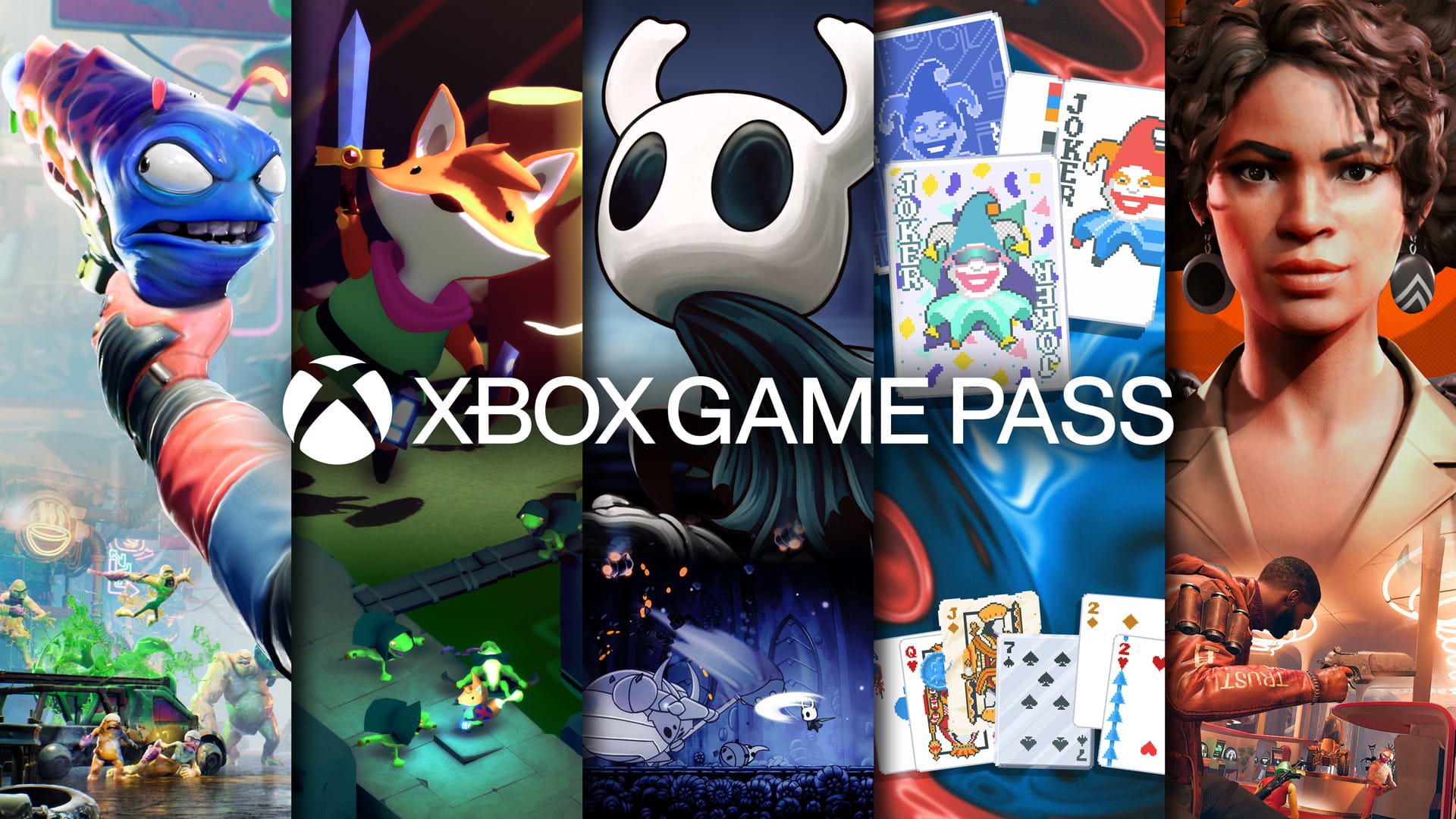
Alex: If anyone has come out ahead, it's certainly not the Xbox brand. Its reputation has declined, not just amongst the wider industry at large but internally too.
Consider just the last 2 years. Around 1,900 jobs were cut from the gaming arm of Microsoft in early 2024, only a few months after the transaction was formally completed. A handful of ZeniMax studios were cut a few months later, and then another 650 staffers got the cut in September. If that wasn't bad enough, there is already intense speculation that the major tech giants might be looking at further cuts to help redirect spending towards investment in AI.
And cuts elsewhere have already begun. Mobile developer Playtika announced it was laying off up to 800 staffers back in December, although in financial filings it looks like that was revised down to around 500 developers (about 15% of the company) last week. Meta cut a bunch of its internal teams, including award-winning studios that were championing AR/VR games for the Meta Quest, and from what we know publicly there's at least 200-plus devs affected by that. And to top it all off, Ubisoft is now accepting applications for another 200 voluntary redundancies after its recent restructuring which saw Ubisoft Halifax close and 71 staffers lose their jobs.
So Microsoft/Activision-Blizzard devs are losing their jobs. And since every company cutting jobs always provides corporate cover for others to do the same, it's likely more cuts will follow. Those devs will then be sent into a market that is already flooded with good people who can't find work, adding the complication of second-order impacts ranging from pushing wages down (because more qualified devs now have to accept lower roles at worse pay) to the wholesale destruction of institutional knowledge for studios as people leave the industry entirely for jobs and companies that offer more stability.
Nobody wins from that. The sell behind the Microsoft acquisition was that it had Game Pass and the Xbox brand and all this wonderful resourcing that would allow developers to make the games they wanted to make, freed up from traditional publishing models. But Xbox has cancelled so many games that it's now talking about "being more selective", aka. greenlighting fewer projects. Fewer longshots, more remakes.
You could argue that Microsoft is still a net-winner thanks to the IP it's acquired, the developers left over and the potential for licensing. But the brand has taken an enormous nosedive since the Activision-Blizzard acquisition. You have the substantial Game Pass price hikes and the restructured tiers, which locks the most popular titles and their launch day access behind a staggering $35.95/month paywall, which makes Adobe's pricing strategy look reasonable.
And it's not like the Activision-Blizzard stable has had a great run lately. Diablo 4 and World of Warcraft are both stable, although the latter is on a long structural decline that must be awkward to explain to shareholders against the platform behemoths of Fortnite and Roblox, not to mention the continued successes of mobile-first live service games.
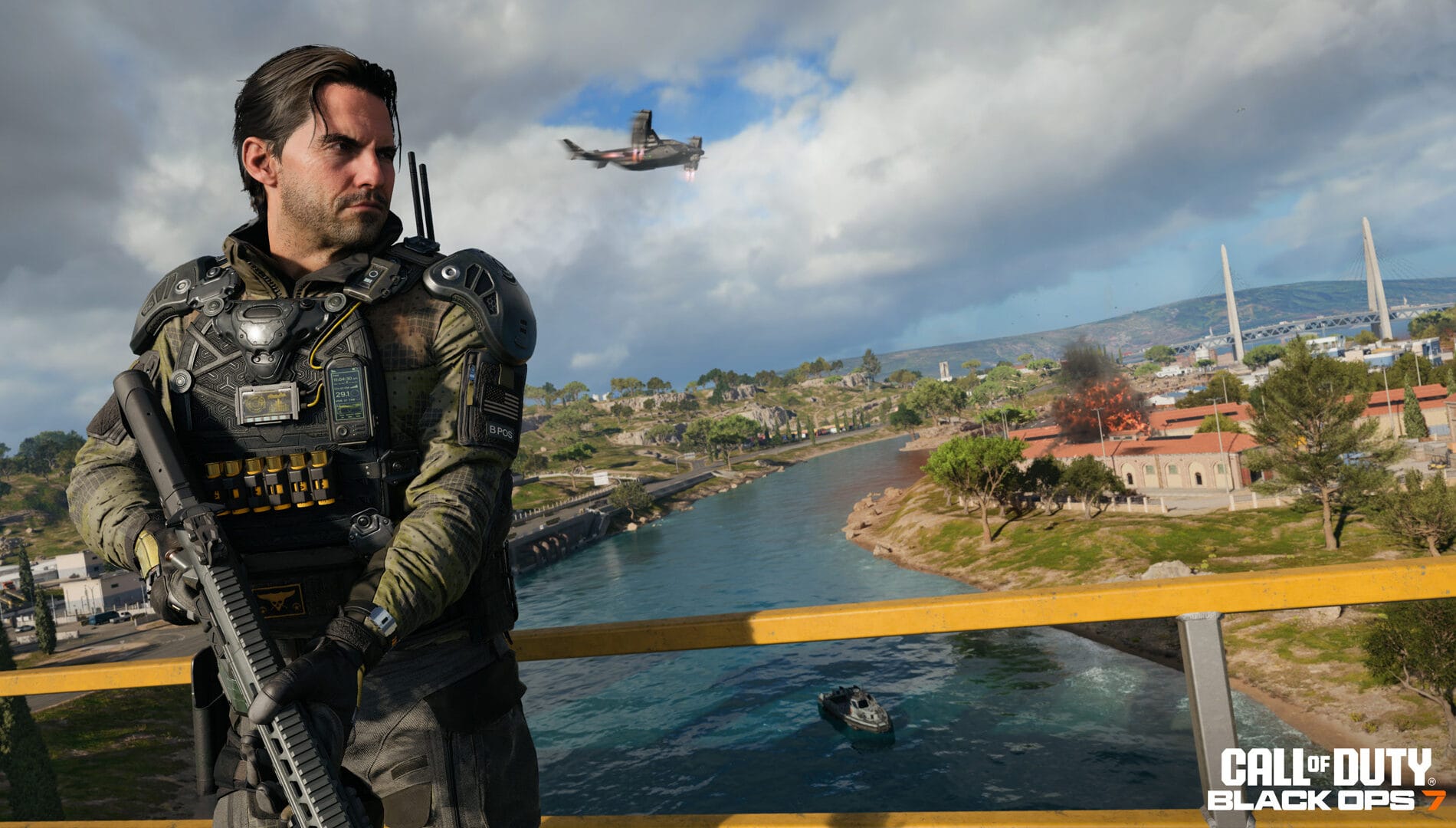
Even Bobby Kotick has pointed out that Call of Duty sales are down by 60 percent year-on-year, although that doesn't tell the full picture of the franchise given the success of Warzone and Call of Duty Mobile.
We should also mention the staffers, teams, players and organisations who all rode the wave of Activision-Blizzard's esports ambitions only to get completely rinsed once COVID-19 hit. California's sexual harassment lawsuit caused some big brands to walk away sooner than they otherwise might have, but the pandemic was already the final blow for a lot of teams and brands in that world.
The only winners, really, are Bobby Kotick and Activision's long-term institutional shareholders. The former Activision CEO squeezed an enormous premium out of Microsoft that finished up as an all-cash, $US95 a share deal, and he inserted a clause along the way that ensured he'd receive a life-changing amount of money regardless of what happened.
Fergus: I totally agree that there’s little doubt that Kotick (and Activision’s other long-term shareholders) came away the biggest winner from the transaction, but I don’t know if I’d say it’s the sole silver lining.
For all the turmoil and turnover in California’s gaming sector, there’s some solace to be found in how unionisation efforts within Activision-Blizzard have accelerated. It’s hard to argue counterfactuals, but it’s easy to look at the neutrality agreement that Microsoft signed with the CWA as part of its negotiation strategy for the acquisition and see the line between then and now. As of 2024, the entire World of Warcraft development team is now a wall-to-wall union. I don’t think Microsoft necessarily deserves credit for this per say, but at the same time I don’t know if things would have played out the same had the acquisition been denied by regulators.
I think you could look at something like Overwatch and end up in a similar place. Blizzard’s team shooter seems unlikely to return to its heyday in terms of popularity but has somewhat-stabilised over the past few years. Could the team responsible have done that while Activision was still public? We’ll probably never know for sure. Similarly, it’s more than plausible that the twenty-second installment of any franchise – even one as popular as Call of Duty – might always have had the odds stacked against it by the law of diminishing returns.
All the same, it’s hard not to think about the many veterans who successfully kept the Call of Duty hype machine alive for this long who were likely let go in the wake of the acquisition. Microsoft might have staunched the bleeding for the Blizzard brand but, to date, I don’t think we’ve seen any signs that they’re willing to make the big bets that have defined the company’s most historic successes.
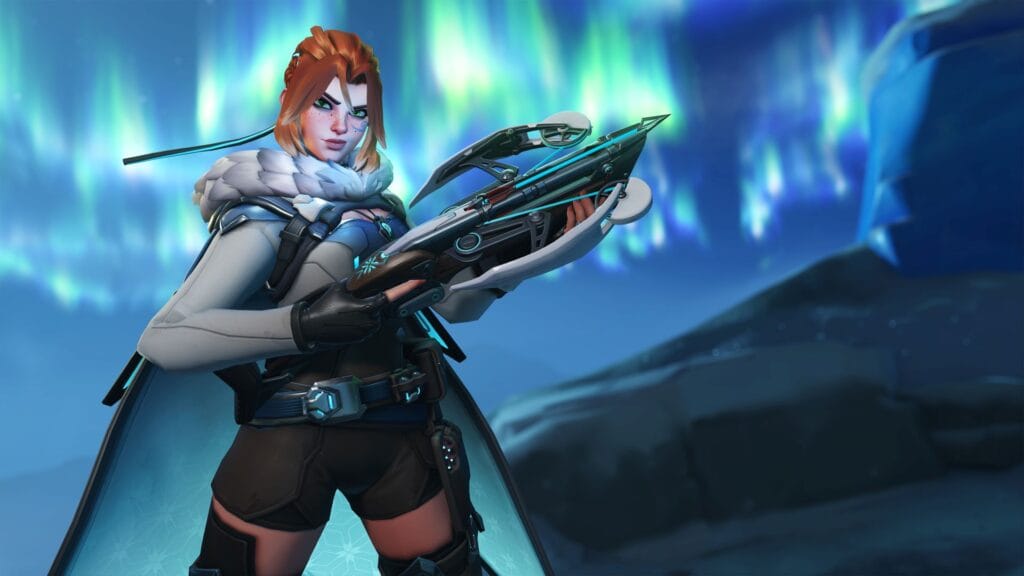
Alex: It's apt that you mention Overwatch, because it does seem that one outcome of this whole saga is a return to some obvious, logical solutions that worked in the past. Overwatch 2 is now just going to be Overwatch. StarCraft is, once again, getting a shooter spin-off. And you're right in that the unionisation benefits are perhaps the strongest of them all because those impacts aren't just being felt within the Acti-Blizzard-Microsoft camp.
But even then that unionisation play is also still resulting in mass layoffs elsewhere; Ubisoft Halifax ratified their union on December 18, and Ubisoft closed the entire studio down in the first week of January. Rainbow Six Mobile doesn't launch until February 23; Ubisoft wouldn't even keep the studio open long enough to ship the product they were working on.
You almost have to revel in the corporate bleakness of it all, because a lot of this also stems from a very real, executive-induced fear. Platforms like Call of Duty will keep carrying on to some degree because, despite the many attempts to steal its thunder, there is still nothing to match the pace and adrenaline high of a CoD lobby. Similarly, and more problematically for Microsoft, there is also nothing that quite replaces the breadth and depth of Minecraft, or Roblox, or what Fortnite offers.
Studios have been unable to crack the nut of consistently converting players from those "forever" games, and that's especially difficult if you spent a small nation's GDP on IPs that like Diablo, World of WarCraft, Call of Duty – forever titles in their day, but ones that have been battling structural decline ever since. And that's what made Blizzard so special amongst all of this. They were built around the value of taking that grand risk to create something that could reshape genres and industries around it. Microsoft doesn't have the appetite to do that; maybe they never really did. But you're not going to move millions off GTA 6, let alone Roblox, Fortnite or any of the other major players by pumping out remasters from your back catalogue.

Fergus: To put a coda on this one and acknowledge the bleakest elephant in the room, Microsoft just overhauled its entire executive leadership for Xbox. Phil Spencer and Sarah Bond are out. CoreAI’s Asha Sharma is in. If the past is precedent, we’ll probably eventually find out the full story via a leaked memo or two something like that. Until then, we are awash in interpretations but bereft of any real sense of what the future looks like for any of the constellation of studios sitting under the Microsoft banner, including Activision-Blizzard.
There’s so much you can say about this particular shift in the gaming landscape, but I think the main feeling I’m left with is a sense of inevitability. Back when Microsoft acquired Activision-Blizzard, I’ll admit to being one of the many who saw that change in ownership as one that could only be an improvement for the stewardship of the storied franchises involved. From the outside, that seems to be true in a cultural sense. Discourse is inevitable, but we’re certainly not seeing the same dire and dramatic headlines from a few years ago. However, from a financial and business perspective, consolidation under a company as big as Microsoft was probably always a disaster waiting to happen.
For all that Games Pass gets compared to Netflix, I can’t help but wonder if it winds up being more of an analog to Disney Plus. As more and more kids and teens are eschewing traditional gaming consoles for mobile, live-service and free-to-play, perhaps the only place for the Xbox brand to pivot is towards elder millennials and other generations who are willing to pay the premium to revisit the games they grew up with.