Why is this Jane Austen-inspired RPG getting a second printing?
Is romance and regency more welcome at the tabletop these ever before?

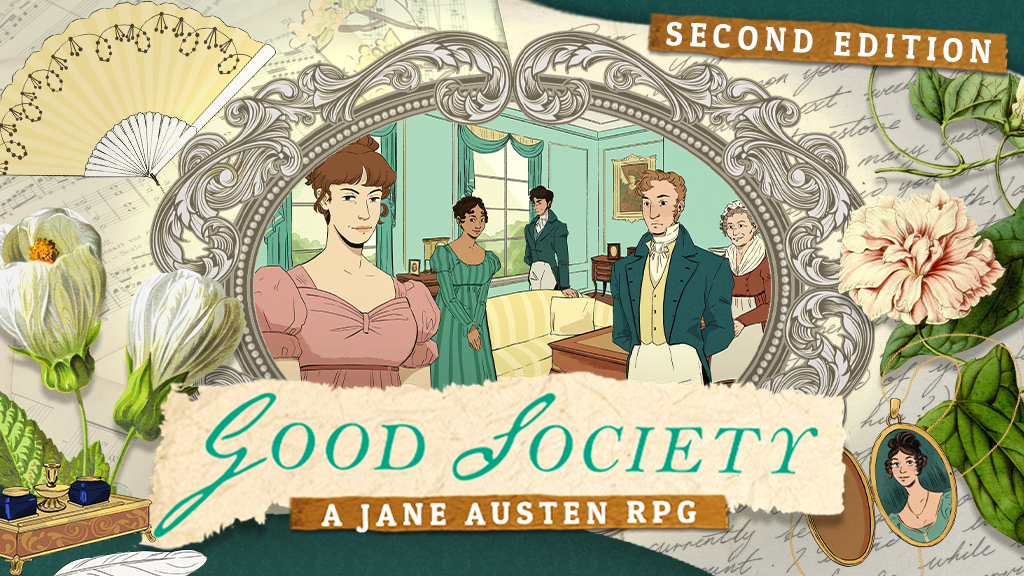
Is romance and regency more welcome at the tabletop these ever before?
My guest for this issue of Multiplier is Vee Hendro, a game designer and freelance graphic designer based in Sydney. Vee is one half of the dynamic duo known as Storybrewers Roleplaying. You can follow Vee over on Bluesky and follow the upcoming crowdfunding campaign for the second edition of Good Society over on Kickstarter.
Fergus: At this point, it feels safe to say that Good Society is the most well-known tabletop system in the Storybrewers catalog. It’s got a ravenous following, has won multiple awards and was even featured by Dropout’s Dimension 20 several years back.
Back in 2022, the game got a reprint via Kickstarter which absolutely obliterated its funding goal several times over. Now, it’s getting a full-blown second edition. While more mainstream RPGs like Dungeons & Dragons or Pathfinder have gone through several incarnations. Most indie RPGs like those produced by Storybrewers tend to only get one bite at the apple, so to speak.
So the most obvious question to begin with is to ask is why? What prompted you to take a second swing at Good Society? How has the game’s long tail success and fan following shaped its upcoming reincarnation? How has time changed the way you feel about the original, which was first published almost a decade ago now?
Vee: Great question! Good Society first came out in 2018, and it was our second release as Storybrewers.
Since then we've played, observed, or heard about thousands of games of Good Society, and have come to a deeper understanding of how people play and interact with the game. We've grown as designers alongside a lovely community of Good Society players who are generous, kind, and encouraging; and ultimately, we wanted to make a version of the game that really reflects how the community plays and what they love about it... which is why we're cheekily subtitling this version as the "Ton Edition"!
For it, we've been able to combine our personal experience of the game and its players, with direct feedback from hundreds of people kind enough to fill out our surveys, and I feel like we're really well placed to make changes that will improve players' experience. It has been an honour and a privilege to see our humble game outgrow us and come alive in the hearts and minds of so many others.
Truly, if you'll indulge a metaphor, if first edition is our floral arrangement, second edition is a community garden that exists because so many have poured their time and energy into it.
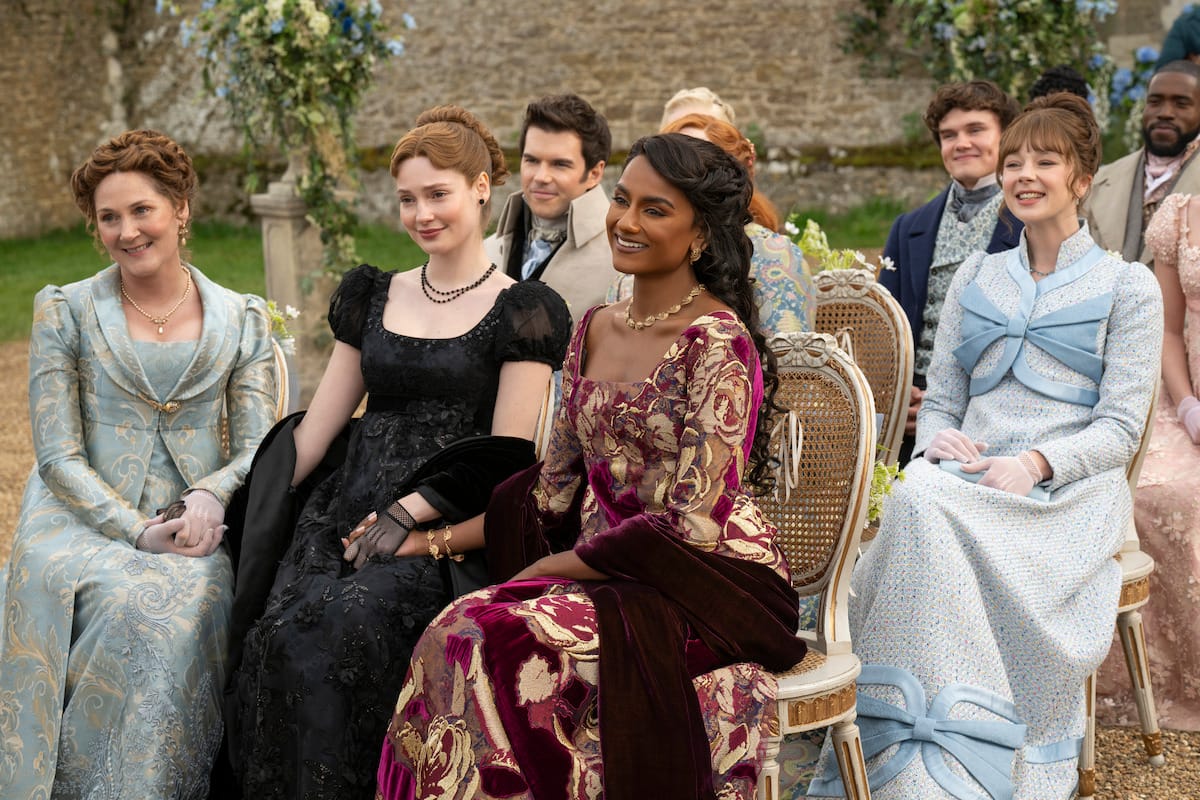
On top of that, regency has been more popular than ever as a theme, and we're about to get some very mainstream queer regency with Bridgerton s5. I feel like people want to play a queer yearning, emotions-first regency TTRPG now more than ever!
Fergus: That’s a lovely metaphor and the last point is, I think, a really interesting one to unpack. Firstly – why do you think regency has become more popular in recent years? What itch does it scratch that more mainstream genres like fantasy or sci-fi don’t?
Also, on the queerness of it all, how has that conversation changed? When you look at the first edition of Good Society, are there parts that feel very of its time in terms of the language it used or the perspectives it privileged when it comes to gender and sexuality?
Finally, in a wider sense, I think the tabletop gaming audience is becoming a bit more accustomed to or comfortable with the idea that romance has a place at the table. Although there are some definite perils to be wary of when it comes to this stuff, I think that the success of things like Critical Role and games like Good Society have done a lot to make it less of a taboo topic. Right now, Darrington Press are gearing up to launch a romantasy supplement for Daggerheart. Has that shift figured into the revisions you’re making with the new edition of Good Society in any way?
Vee: I think the wider change we've seen is more in the demographics and interests of RPG players than it is with us! We've always been queer and emotions-first in our games, and of course, lovers of romance, drama and scandal. When we started in RPG, that was a demographic that was hugely under-represented. Romance and drama didn't feel like the mainstream, but as always, there were folks making games that spoke to them and their interests.
For example, we had Emily Care Boss' Romance Trilogy in 2016 and Alex Roberts' Star Crossed later in 2019 and over the years, feels-first actual plays, along with a greater visibility of alternative story types, have brought more diverse people into RPGs so there are now simply a lot more people playing who enjoy these themes.
Romance and relationship dramas aren't always easy to play in RPGs because of the trust it takes at the table. It can be a very vulnerable thing to really lean into the emotions of a story that is collaboratively being built. Yet, I feel the regency gives an ideal setting for people to explore these kinds of themes in their game.
Austenesque tropes provide a set of structured expectations for the kind of stories you might tell that helps to give direction and definition to the exploration of complex relationships.
There's a particular journey that I love seeing in new players to emotional roleplaying: the ones that start by emulating the tropes of the genre, often silly and humorously playing out a story that doesn't take itself too seriously, but then, as these players become more comfortable with handling emotional stories at the table, they start to put more grounded emotions into their roleplay. Their character becomes less a caricature and more fleshed out, more real. The tone shifts, more earnest, more heart-wrenching. Emotional scenes aren't played out for laughs, they're played out so the feelings land. In a way, this backdrop of increased understanding of romance and feelings at the roleplaying table means we can approach 2nd edition a little differently.
While maintaining its identity as a great beginner game for folks wanting more drama and emotions in their RPGs, we are also making revisions that support more intermediate and advanced players who love this style of RPG.