Control: AWE (2020) review
Once again, we return.

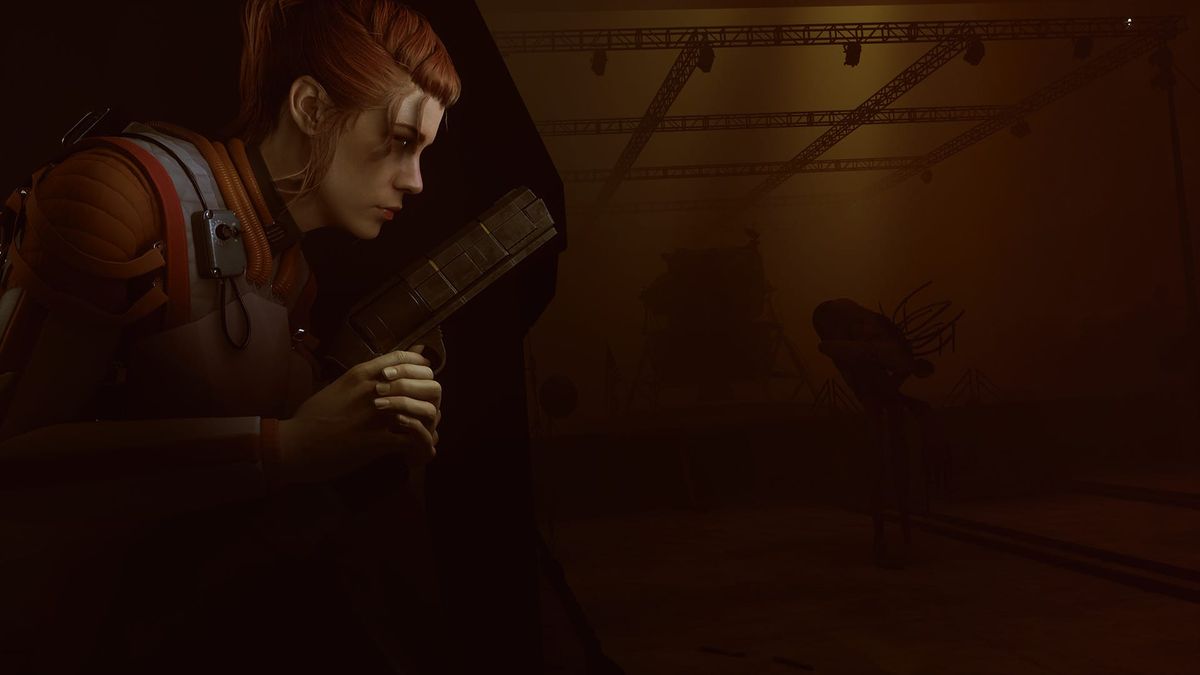
The Pitch
The latest expansion for Remedy’s surreal and supernatural Control is billed as a convergence event.
More than just a few hours of additional story content and a new slice of the Oldest House to explore, it looks to bring the titular lead of 2010’s Alan Wake back into the spotlight. Framing AWE as a fully-fledged crossover between the two franchises would be to give it too much credit, but safe to say it escalates on the easter eggs and sly nods found in 2019’s Control.
For better and worse, AWE sees Remedy use the moment-to-moment gameplay in Control as the means or medium of continuing the story it begun back in 2010.
Cold case
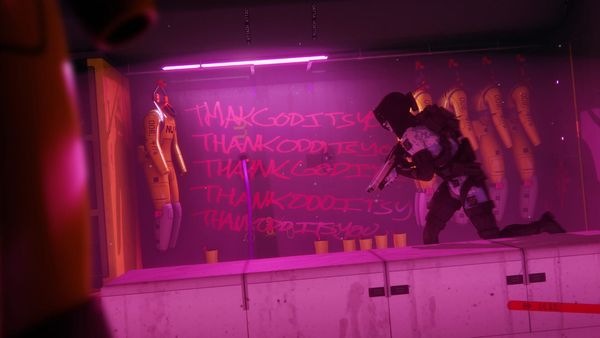
While the reappearance of Alan Wake (and his various doppelgangers) does play a role here, their involvement mostly acts as a bookend to the events of AWE writ large. Most of the time you’re spending in the newly-unlocked Investigations Sector will see you hunting down and confronting the now-monstrous Dr. Emil Hartman.
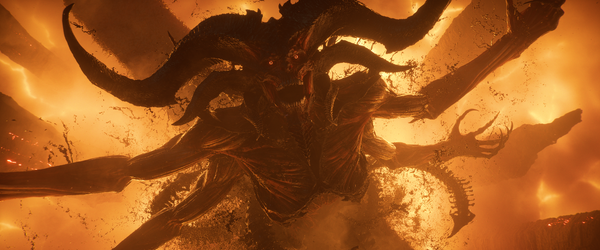
Alan Wake's power-hungry psychiatrist has become a twisted vessel for both The Dark Presence and The Hiss and needs to be dealt with before he can cause any more damage than he already has.
Like The Foundation before it, the Investigations Sector is structured into two wings that you have to complete before advancing to the final confrontation with Hartman.
The twist – if you can call it that – is that many of the rooms and sequences in these wings involve using light as both a shield and a cudgel against your foes. This mechanical callback to the original Alan Wake is a fun touch but relies entirely on – and quickly loses – that inherent novelty.
The limits and powers of light was core to the combat in Alan Wake, but it feels largely ancillary here. Jesse Faden is much more capable than Wake ever was, so you just don’t get that same kind of thrill or tension.
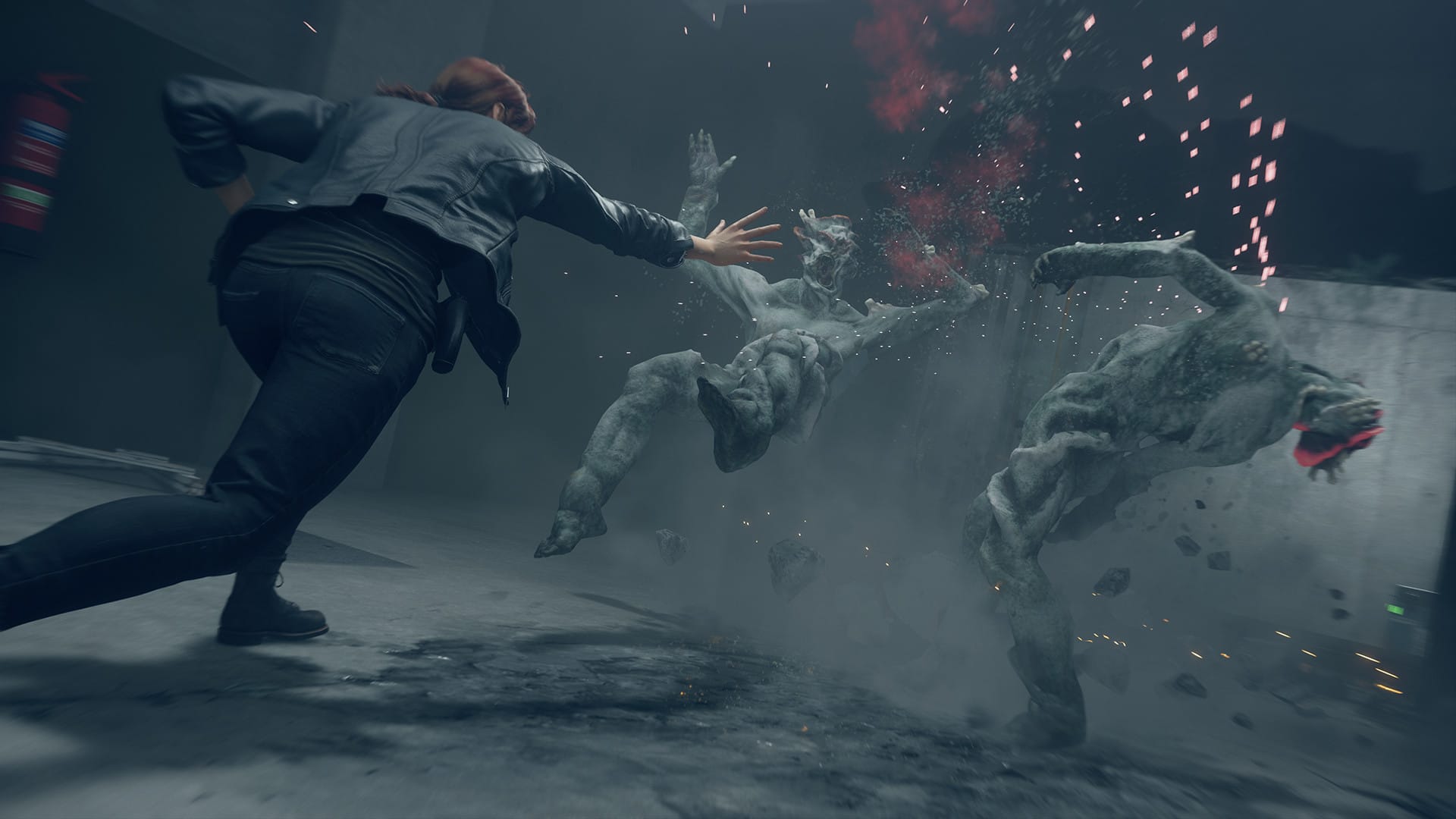
Where the first major DLC for Control brought new abilities and environments to the table, the second is less ambitious. One or two particularly fun set pieces aside, the newly-unearthed section of the Oldest House introduced by AWE look – and plays – like the rest of the base game.
That’s not necessarily a problem in and of itself. Control has an awesome aesthetic and the fact that AWE conforms to that style guide isn’t inherently a shortcoming. All the same, tacking on a few extra miles to Remedy’s marathon of brutalism and banal bureaucracy quickly feels like diminishing returns.
Even as someone who liked the telekinetic action of the base game, AWE felt a little too much like more of the same. While the implications that the DLC brings to bear on the broader 'Remedy-verse’ feel significant, the journey towards that final destination felt like a forgettable one.
I was willing to forgive some of these tendencies when it came to The Foundation. However, sans the drastic shift in terms of environments and level design seen in that add-on, it’s harder to overlook. If Remedy's first DLC was something of a filler arc, AWE is more of a mythology-builder. It’s not tremendous in its own right but it does hint at bigger things to come.
The Bottom Line
Something of an inversion of the winning formula found in The Foundation, AWE feels an uneven compromise. It's torn between its obligation to extend the core experience of Control and the desire to try and make good on the promises made to the long-time fans of Alan Wake. The final product here ends up being as procedural and straightforward in form as it is convoluted in storytelling.
AWE is awash in implication but lacking in impact.