Hellblade (2017) review
A harrowing journey to hell and back.

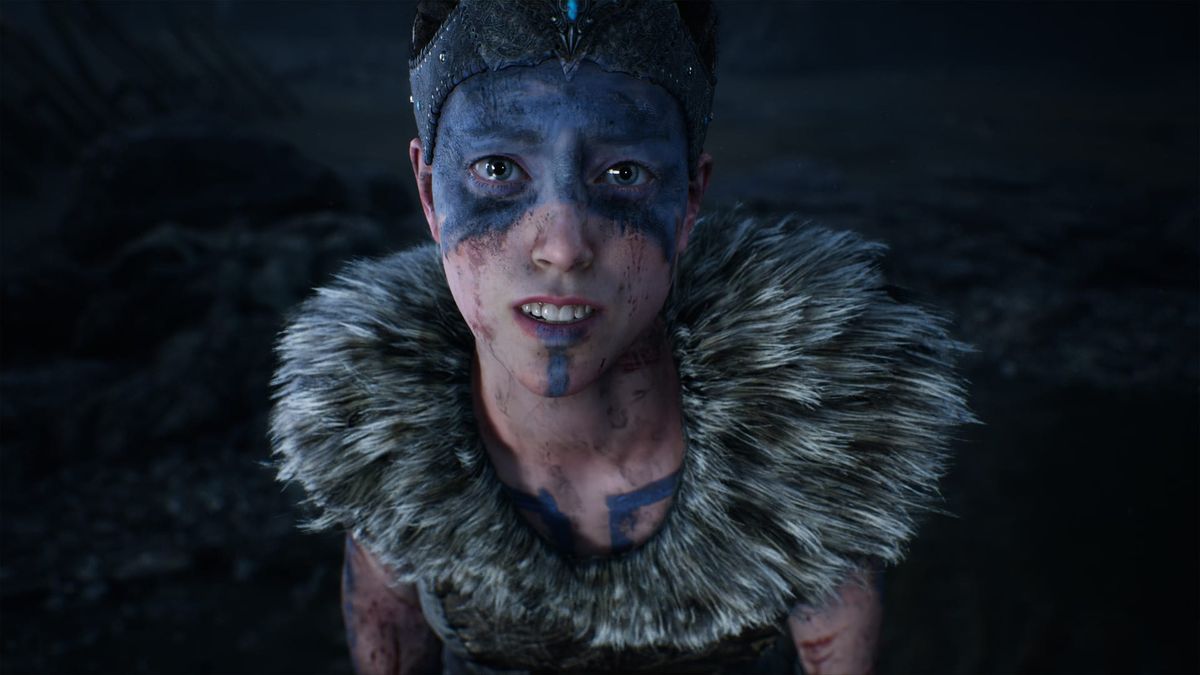
Going into last month, I'm not sure anyone in the gaming world quite expected Hellblade to land with as much splash as it did. For all the pedigree that action-game developer Ninja Theory bring with them, there are plenty of ways that this project could have gone wrong or off the rails entirely.
Instead, Senua’s Sacrifice holds up a triumph of storytelling, gameplay and presentation. It’s a harrowing journey into the soul of its hero – along with the demons that haunt them – and as much a game worth playing as it is an experience worth seeing.
Taking place in an unspecified-but-surely-distant past, Hellblade: Senua's Sacrifice sees players take on the role of a Pictish warrior on a vision quest into the purgatory of Helheim in an effort to save her lost lover's soul.
Over the course of her journey, Senua is both hunted by the viking warriors of the past and haunted by symptoms of her own psychosis. It's easy to see the DNA of Ninja Theory’s past titles like DMC, Heavenly Blade and Enslaved present in the rhythmic combat system that ties Hellblade together. However, the tone of the game feels very much its own.
Hellblade veers far closer to the horror genre than Ninja Theory have ever gone before, and is all the more compelling for it.
Heart of darkness
Hellblade’s unique approach to presentation and sound design generates a constant but intense sense-of-dread every step of the way. It’s the kind of game that’s stressful to play but hard-to-put-down nevertheless.
Right from the moment you step into Senua's shoes, a cacophony of voices begins to whisper in your ears. Some of these voices are friendly, offering advice. Others are frightened. A few are downright menacing. Regardless, you’re quickly immersed and acclimated to into Senua’s own struggle to push them aside and propel herself forward.
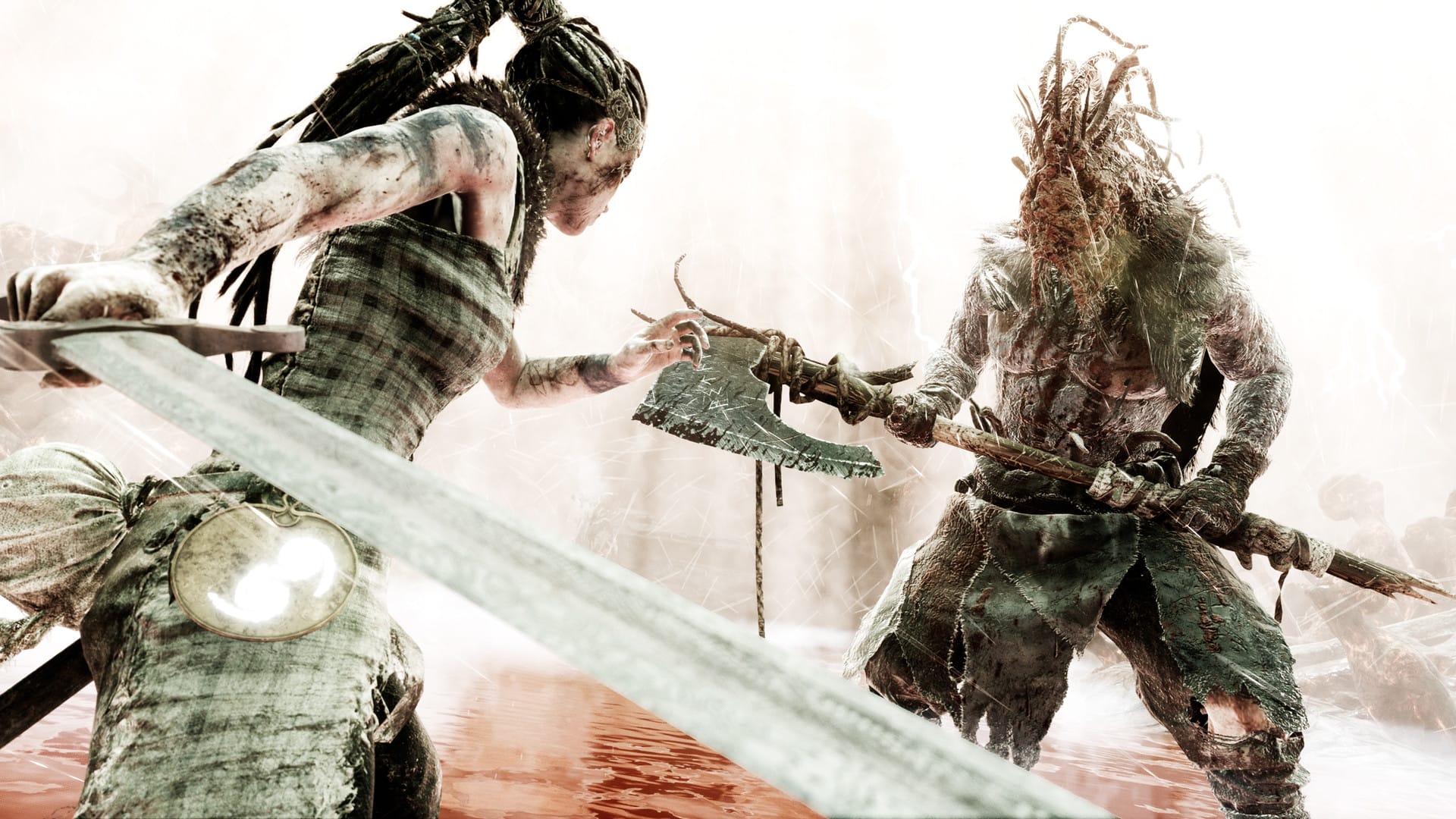
Accompanied by the game's at times surreal and nightmarish environs, minimalist UI and gritty combat sequences, Senua's inability to escape the intensity and dread surrounding her quickly becomes your own. In my recent Absolver review, I touched on the psuedo-science behind satisfying combat system. Hellblade excels on this front.
After a tense orientation, it isn't long before you have your first brush with the brutish and unsettling figures that inhabit it. Sans any formal tutorial, early fights quickly devolve to mashing on the different attack keys to see what sticks. Ninja Theory keep encounters small and the mechanics of combat simple and intuitive.
Senua herself doesn’t have a lot of health and only carries a single sword. Instead, the focus is on dodging and wearing down your enemies over time. The voices in Senua’s head even have a role to play here, warning you of incoming attacks that you might not see coming. The mechanics of Hellblade are easy enough to grasp but come with a high enough skill ceiling that you're kept challenged throughout.
In a worse version of the game, this sink-or-swim might be a drawback or a source of frustration. However, here, it only paves the way for further immersion by again mirroring the player’s experience with that of the Hellblade's protagonist.
At the start of your journey into Helheim, taking down even a single foe feels like an ordeal for Senua. By the end, both she and you are able to take down scores of enemies with grace and efficiency.That is, if you make it that far.
Somewhat controversially, Hellblade features (or at least promises) a unique permadeath mechanic. Each time Senua is killed, “the darkness” within her soul grows greater. Die enough times and the game will wipe away your progress entirely. On paper, this sounds a lot harsher than it actually is.
I made my way through the game with the difficulty set to hard and never died enough to trigger any sort-of progress reset so I'm not entirely convinced this threat on the part of Ninja Theory is even real. Even so, the intensity it adds to the experience is more than enough.
Despite these high stakes, Hellblade is largely a fairly forgiving for the most part. Nevertheless, there are a few sequences in the game's middle act that robbed me of my (allegedly) limited lives through trial-and-error – which felt a little unfair.
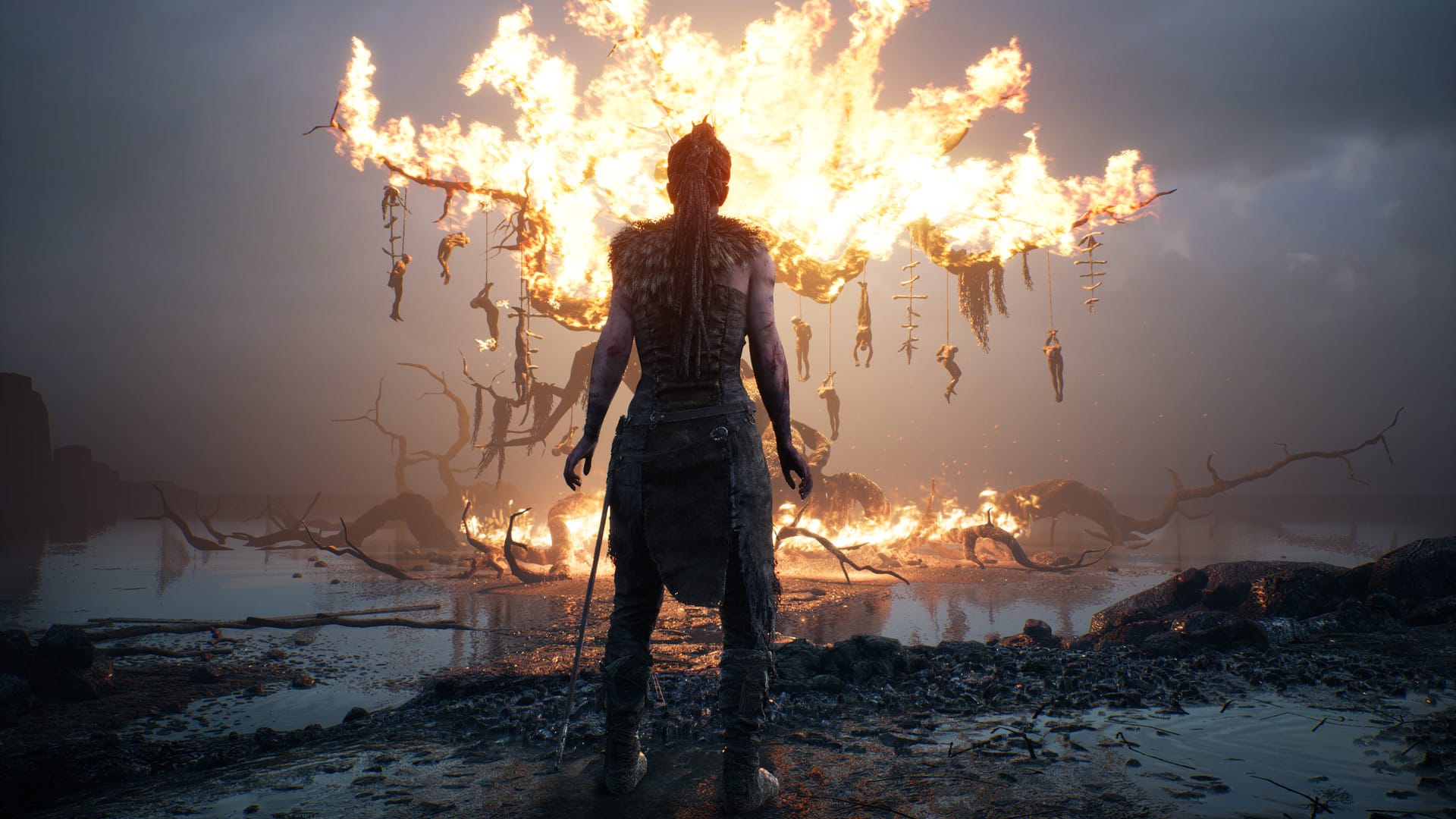
It's stressful to play with a metaphorical sword of Damocles hanging over your save file but the version of Hellblade without it might not create the same sense of dread and constant-anxiety that makes the experience so memorable. Of course, there's more going on here than just combat.
Like any character-action game worth its salt, Hellblade breaks up the action with short puzzle sequences. Thankfully, these neither grate against the premise of the game's reality, nor your patience. Mostly, these involves finding runes hidden in plain sight to unlock the path forward.
Like combat, these sections are pretty intuitive and if you take too long, the game does tend to nudge you in the right direction. These sequences also act as a good buffer between fights, giving you a much appreciated moment to catch your breath.
It feels like Hellblade doesn't have a huge amount of replay value to offer beyond introducing it to friends. Exploration does reward you with some additional insights into the lore that adds flavor to the setting. Still, for the most part, Senua’s Sacrifice is a fairly linear affair. It's a great journey, but one that’s difficult to imagine revisit once let alone more than that.
To make up for this, Ninja Theory have thrown in a decently-long behind-the-scenes feature about the research the developer did into both the game’s setting and its portrayal of mental illness. This isn’t a monumental inclusion, but it’s a fascinating bonus feature to dig into once you’ve completed the main game. I'd love to see more developers follow in this example.
The Bottom Line
On the surface, it's easy to compare, confuse or conflate Hellblade with the many other character action games in Ninja Theory's catalog. However, below the surface there's a lot more going on. It feels like they’ve taken their formula for character-action games towards uncharted waters and returned home with a hell of a story to tell.
Hellblade: Senua's Sacrifice looks, sounds and feels like the stuff of wicked nightmares but is worth experiencing all the same.