Bloodstained: Ritual of the Night (2019) review
Don't call it a comeback.

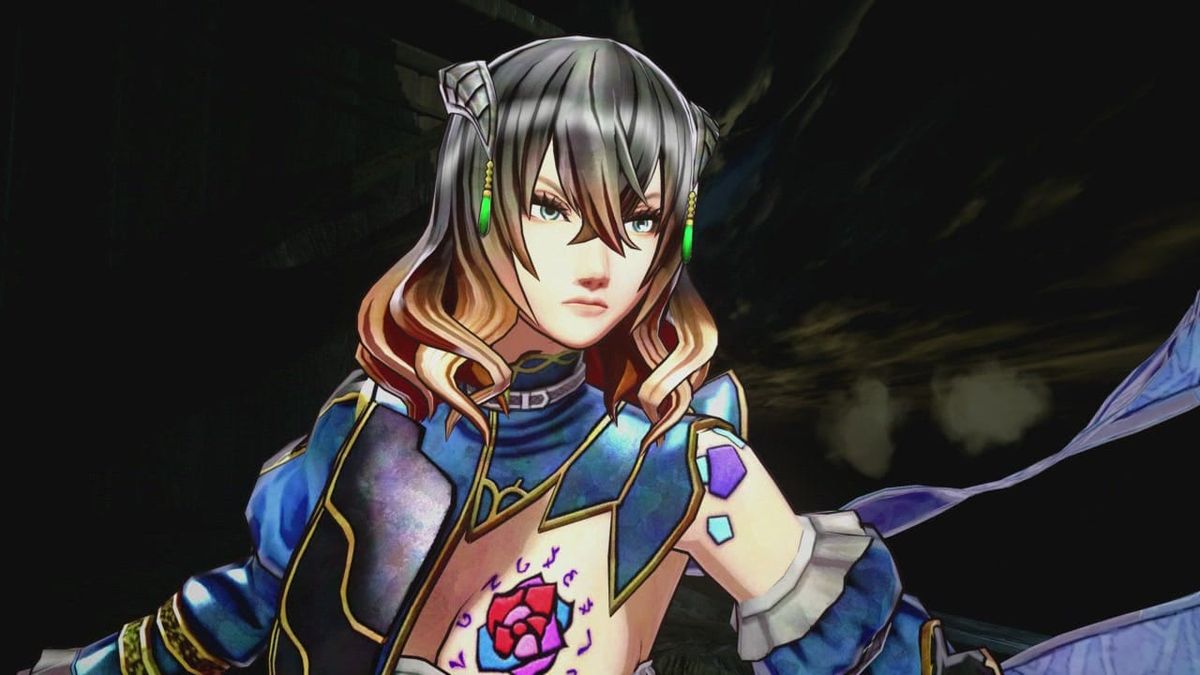
Bloodstained: Ritual of the Night is the latest in a long line nostalgia-driven Kickstarter project to collide with reality. Pillars of Eternity. Mighty No 9. Broken Age. The list goes on. However, where other lesser revivals have stumbled, Bloodstained soars. It's a confident return to form for Castlevania-creator Koji Igarashi.
Though oft-amalgamated into the term ‘Metroidvania’, it’s almost-indisputable that the current era of gaming owes a lot to Igarashi’s earlier series. Side-scrolling efforts like Castlevania: Symphony of the Night are fondly remembered and the series’ tendency to blur the lines between the action and roleplaying game genres feels like a forerunner to the current status quo. It’s easy to draw a line between the 2D Castlevania games of the past and Souls-like games of the present like Sekiro: Shadows Die Twice and Aurora44’s Ashen.
Bloodstained: Ritual of the Night feels like a homecoming for Igarashi. He may have invented the genre but it’s been a long time since his last addition to it. Castlevania: Order of Ecclesia was released back in 2008 and, over a decade later, Bloodstained mechanically and thematically picks up where that game left off.
It could have just settled for a rose-tinted revival of the Castlevania’s greatest hits, but Bloodstained tries to forge a path of its own - for better or worse.
Staring into the abyss
The setup for the story in Bloodstained is right out of the Castlevania. You play as Miriam, an orphan scarred by magical experiments gone awry that allow her to absorb and use the powers of demons.
A mysterious and sprawling castle appeared to unleash a tide of monsters upon the land. Naturally, Miriam is tasked with fighting her way to the heart of this bastion and confronting the childhood-friend-turned-dark-lord awaiting her.
Along the way, you’ll slay monsters, unlock new abilities, solve puzzles, fight your way through variety of fearsome boss encounters and recruit allies like the exorcist Dominique and the demon hunter Zengatsu. There’s even a demon barber willing to cut your hair if you ask nicely.
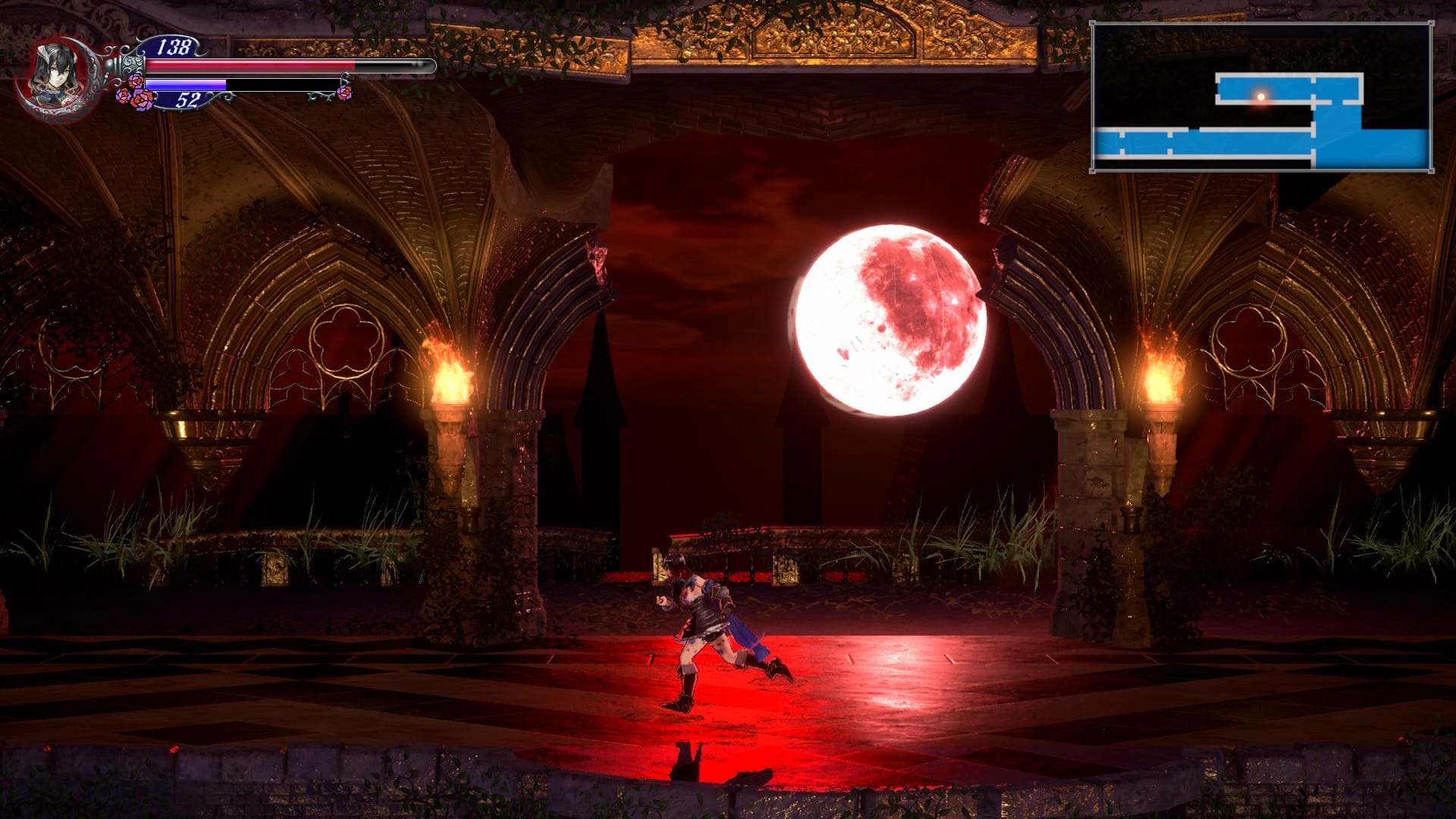
Much like Castlevania, Bloodstained is unashamedly all-in on its specific aesthetic – which is best described as anime goth Catholicism. Unfortunately, Bloodstained doesn't seem like a game interested in delivering the most clean, polished or thoughtful take on the themes and fixations those trappings invite.
Even by the standards set by Igarashi's earlier work, the writing in Bloodstained comes across as trashy and overly playful. It's almost like the character involved know they're in the kind of game this is. As I played through the game I had a decent idea of what the big picture plot was about but I wouldn’t say I was anywhere near as invested in the specific setting and characters involved as I was with games like Aria of Sorrow, Dawn of Sorrow and Portrait of Ruin.
Dancing in the moonlight
Bloodstained plays like a greatest hits collection of Igarashi's past work. There’s a good amount of enemy variety – though the game largely reserves its most malicious antagonists for the endgame – and a good mix of environs to explore and a comprehensive arsenal of weapons to experiment with.
Akin to games like Dark Souls or Monster Hunter, it feels like you could play through Bloodstained using pretty much any one of the weapon types available and get an equally compelling experience. Some fights will be easier. Others will be harder.
There’s plenty of room for you to improvise and make the experience your own. As you slay enemies, you’ll accrue experience, items and shards. Similar to the soul-collection mechanics found in Aria of Sorrow and Dawn of Sorrow, slain enemies will sometimes drop these shards. Upon discovery, these shard will violently embed themselves into Miriam’s body – unlocking new abilities.
Once equipped, each shard bestows a different power. Some shards offer new attacks or defensive maneuvers. Others bestow more passive bonuses like a double jump or extra health. There’s tons of room to customize Miriam’s loadout and each of these shards can be upgraded to maximise their impact and value.
If the weapons system gives you a dozen ways to play through Bloodstained, the shard system multiplies this replayability more still. This system adds another dimension to the arithmetic of problem solving that goes through your mind whenever you find yourself stuck on a particularly gnarly boss fight.
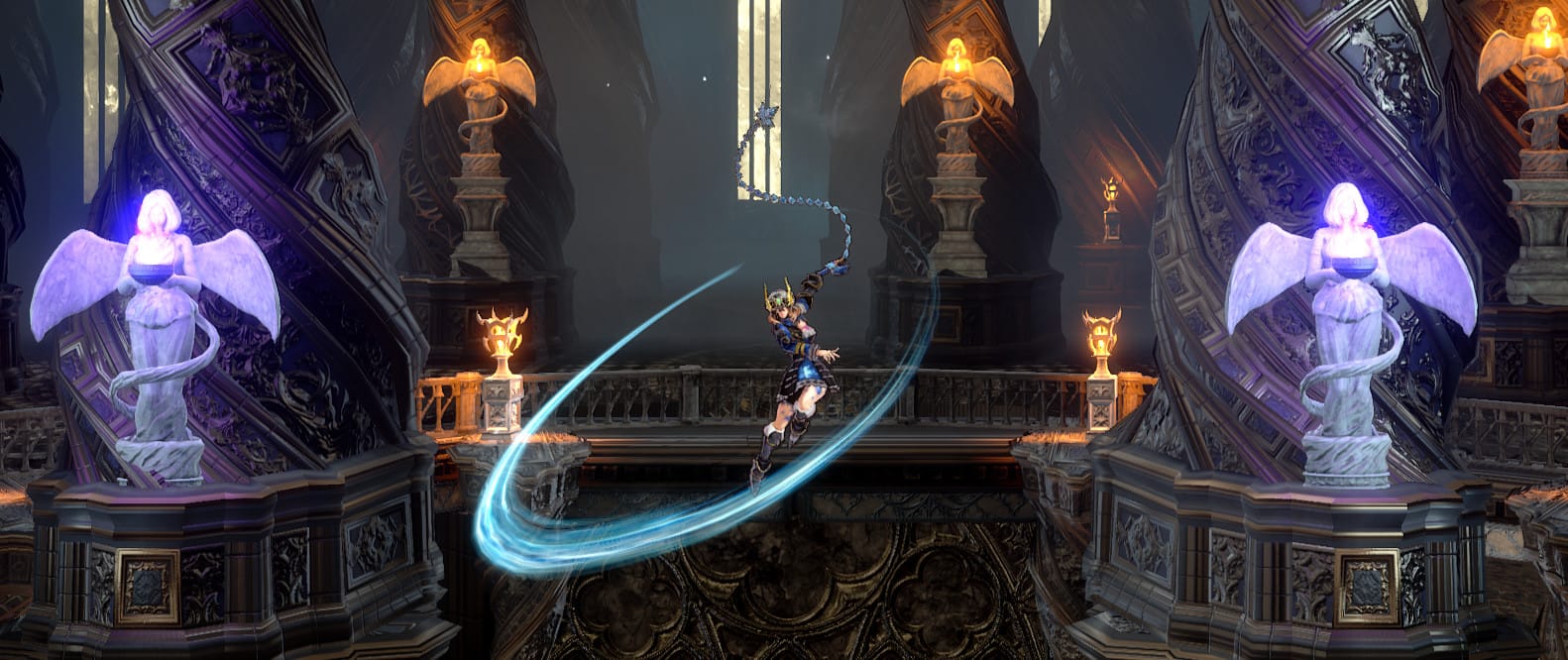
The last piece of the puzzle here is the art style. Unfortunately, this is the one part of Bloodstained that never quite sticks the landing.
Where the GBA and DS-era Castlevania games were gorgeous 2D adventures that pushed the limits of just how good a 2D game of its breed could look, Miriam’s debut outing feels decidedly uneven. The level of detail on textures and models is very inconsistent and the quality of animations varies widely.
It’s clear that developer ArtPlay are trying to transplant the look and feel of Castlevania into pseudo-3D in the way that something like New Super Mario Bros does but the execution never quite comes together. It’s cool as hell to have a Castlevania game with full-on cut-scenes but the trade-off isn’t worth it. Moment-to-moment, Bloodstained doesn’t look as good as it feels to play. I like that they tried but the final results are messy to behold.
The Bottom Line
More often than not, Bloodstained feels like a game engaged in active dialogue with its own origins. As a consequence, its shortcomings are hard to shake.
For as much as the subtitle invokes the legacy of classics like Symphony of the Night, Bloodstained is not quite a home run. Hell, it’s probably not even in the top three when it comes to the last five years. This isn’t just a memorial to the Castlevania games of old. It feels like a foundation for the future. A fraught one but, even so, the notion that Igarashi is building something new can’t help but excite the imagination.
Bloodstained doesn't quick stick the landing, but its seemingly-inevitable sequel could well end up being the Castlevania comeback fans have waited years for.