Destiny 2 (2017) review
A port worthy of PC gaming's mightiest rigs.

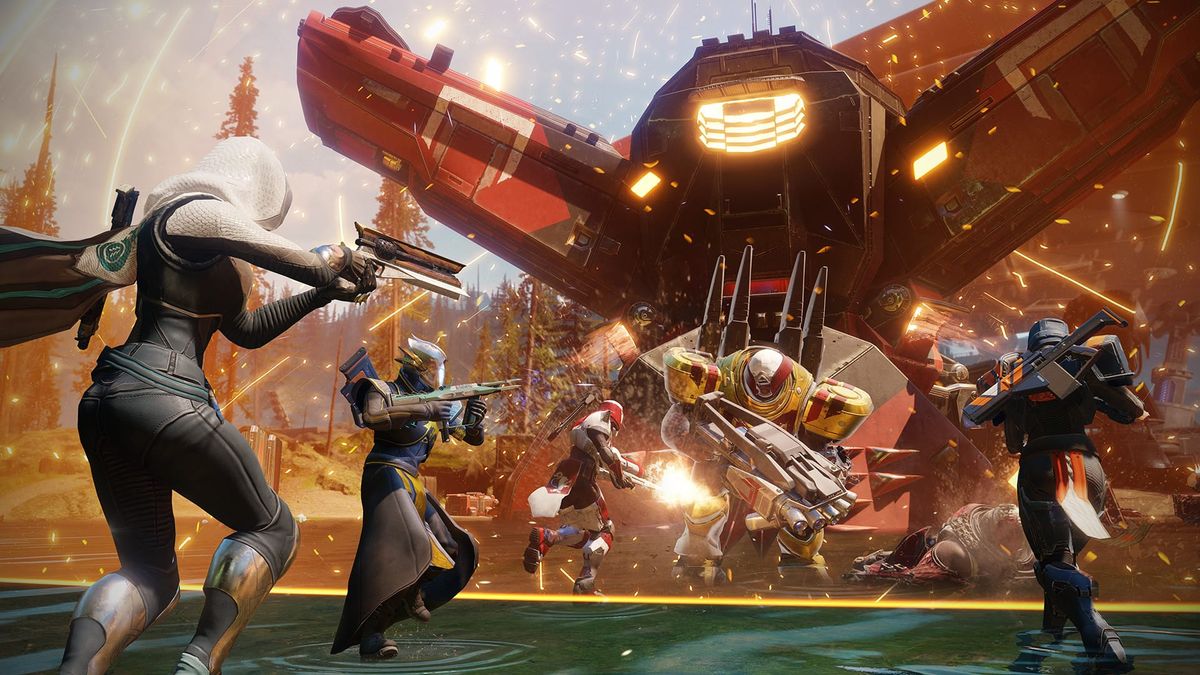
Even if the the PC version of Destiny 2 boasts more-or-less the same content as the console version, it comes with a bevy of bells and whistles that will likely see it gain prominence as the de-facto version of the game for many. When the sci-fi sequel launched onto the Xbox One and Playstation 4 earlier this year, the general consensus from fans and critics was that it was the game that the first Destiny should have been.
Destiny 2 wasn’t just a good sequel. To some, it was an apology – with the game’s PC port acting as the final part of an extended (and extensive) mea culpa for the mistakes made the first time around.
And like any good apology, the arrival of Destiny on the PC acts as an acknowledgement that failing to bring the original first-person-looter to the platform was a poor choice. Bundled together with support for 4K resolutions, an uncapped frame rate, custom key mapping, text chat, adjustable field of view, 21:9 aspect ratios, HDR and even triple monitor support, it’s an indicator that Bungie intend to do right by that audience going forward.
They’ve pulled out all the stops here. After all, if you’re going to pull off a genuine make-good to the PC gaming community then half-measures aren't going to cut it. You have to go to infinity and beyond.
A New Hope
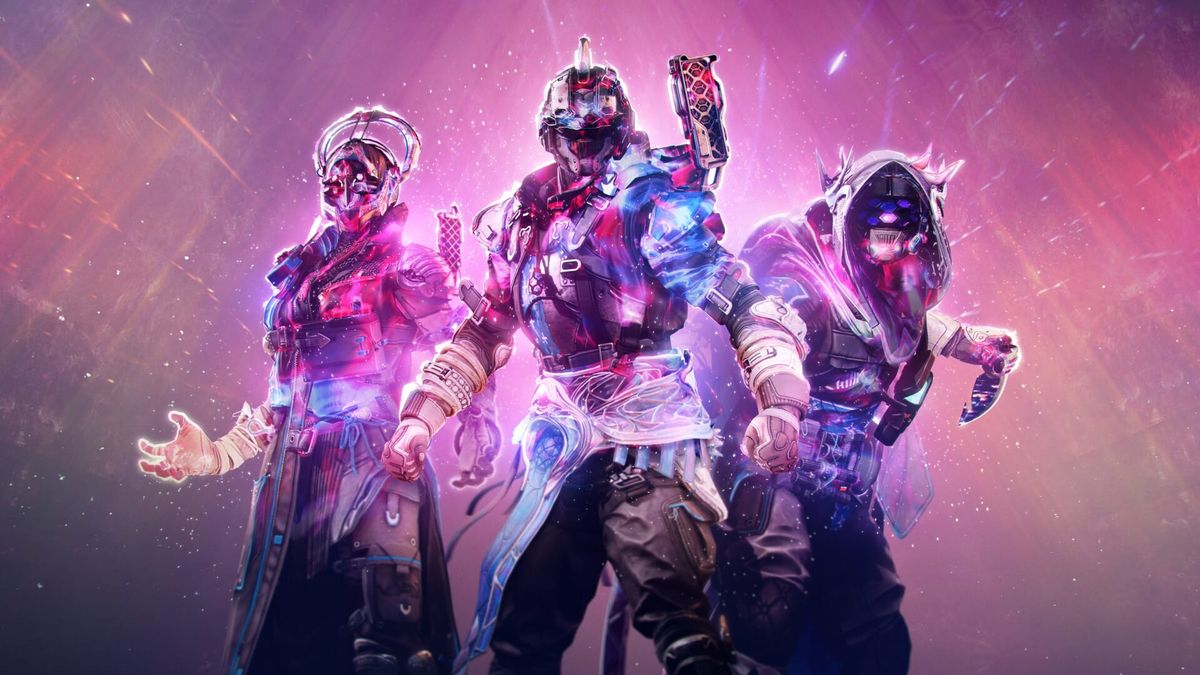
For the uninitiated, Destiny is series of MMORPG-like first-person shooter games set in an epic vision of the future. You take on the role of a larger-than-life Guardian tasked with protecting an omnipotent-but-enigmatic alien – known as The Traveller – from those that would do it harm.
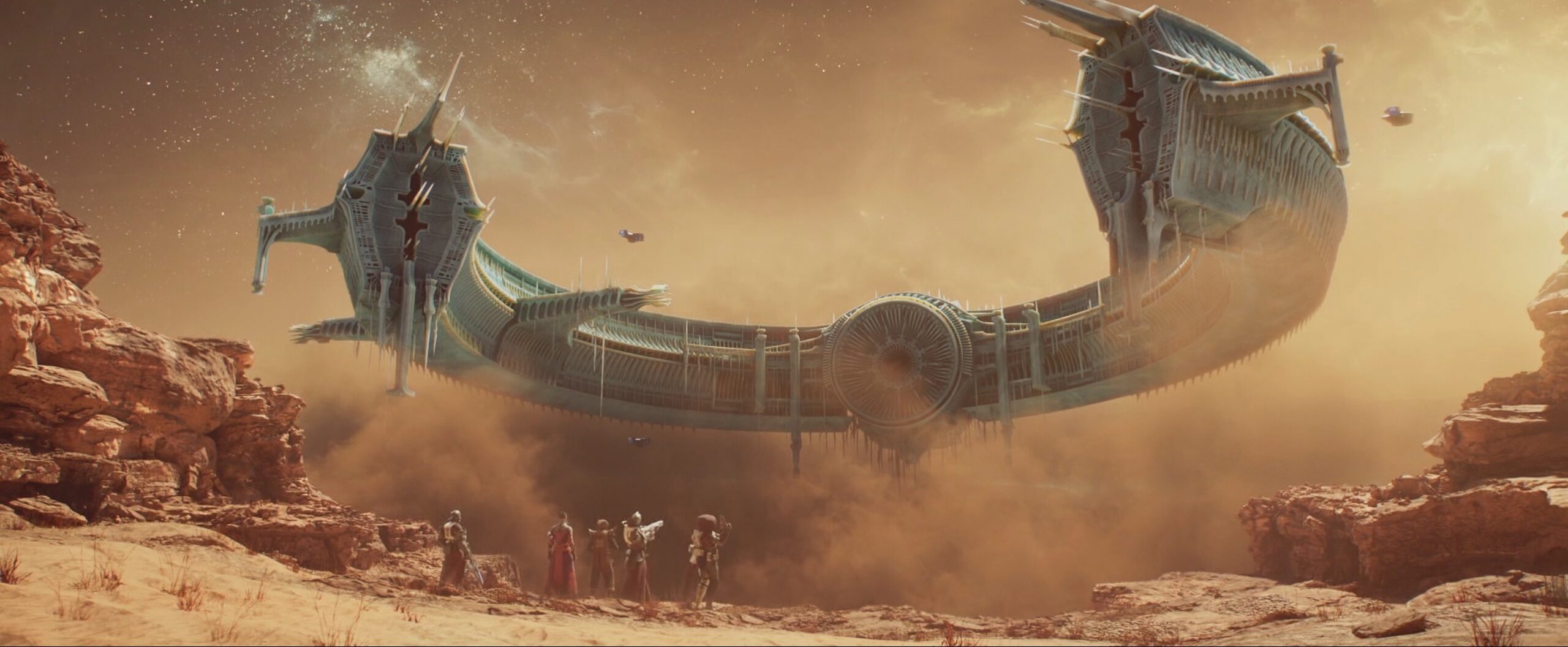
In Destiny 2, the Guardians are forced on the defensive when the militaristic alien armada Red Legion takes them by surprise and cuts them off from the source of their superhuman powers.
Following the game’s grandiose opening sequence, you’re tasked with finding new allies and working alongside old ones to regroup, push back the Red Legion and "remind the world what it means to be a Guardian".
That’s the short version anyway. The long version is a little bit more convoluted, to say the least. There’s a lot of space jargon and sinister-sounding proper nouns, but a the sense of epic scale embedded in the Destiny’s dense backstory does eventually stick. Suffice to say, if you’re a lore junkie – you’ll find a lot to like here.
The larger narrative arc of Destiny 2's campaign – where you work to locate and rescue the three heroes of the first game - Zavala (voiced by The Wire’s Lance Reddick), Cayde-6 (voiced by Castle’s Nathan Fillion) and Ikora (voiced by Suits’ Gina Torres) – before launching a counteroffensive of your own is more of a well-told story than it is a properly great one in its own right.
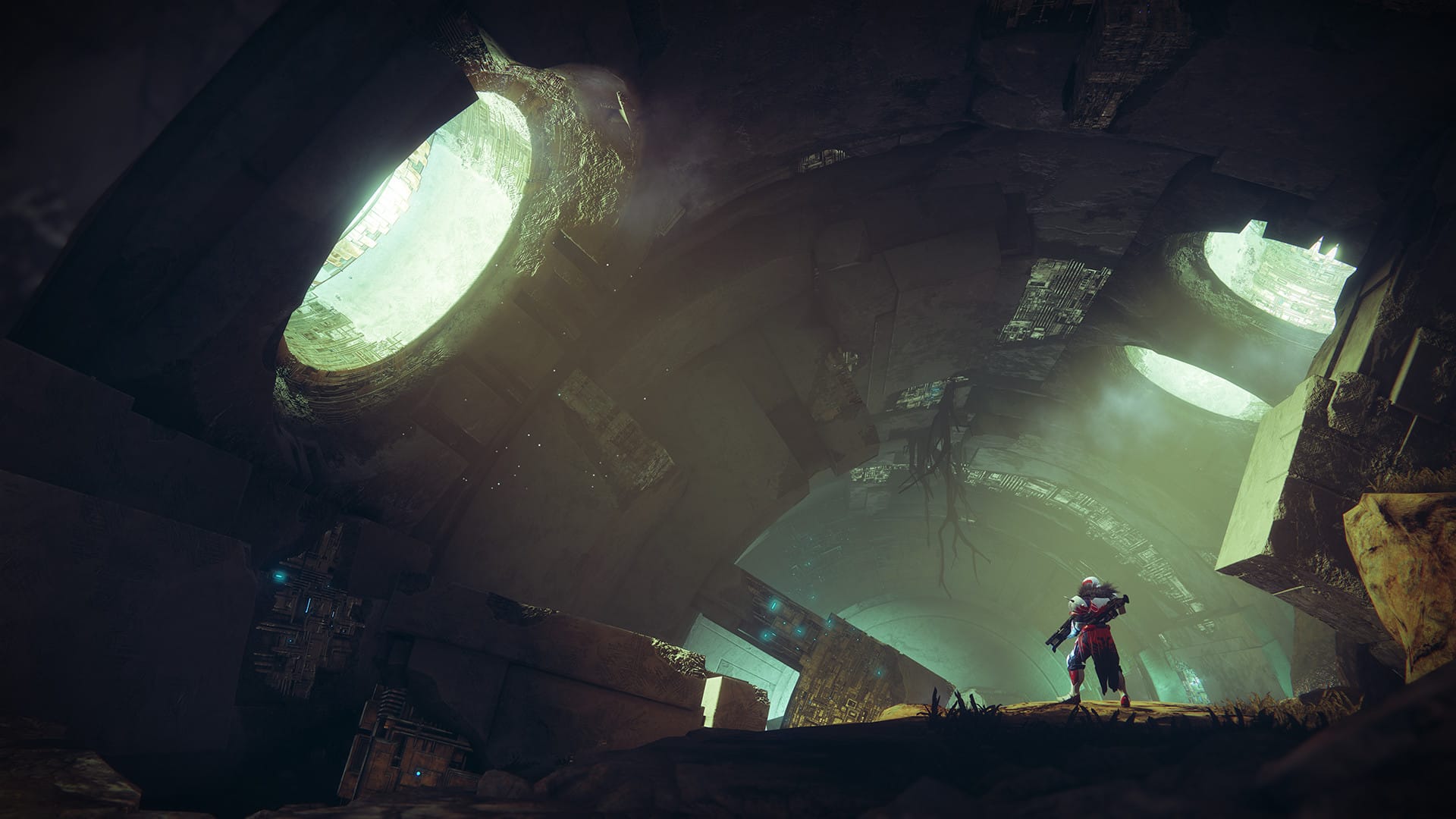
It’s a little too predictable and for all the ambition of the setting and the lavish production values accorded to it, it doesn’t have a whole lot to say. Bungie can – and have – told better stories in the past. By the time the credits roll, it doesn’t really feel like a whole lot has changed. Sure, part of that restoration of the status quo is necessary to support the game’s larger structure, but the soft reset still leaves a bad taste in your mouth.
Compared to other scifi sagas, Destiny 2 is sometimes a little bit too episodic for its own good and fails to evolves the world or story or characters or stakes in the meaningful ways you’d hope a sequel would.
Better Late than Never
But enough about the sprawling story, which I had to watch a two-hour Youtube explainer to properly wrap my head around. For many, the more important question is how does Destiny 2 play?
The answer is surprisingly well. It’s probably the most solid take on a first-person looter since Borderlands 2 – even if it lacks the heart when it comes to storytelling. The core loop here is pretty simple. You’re dropped into one of the game’s planets, which take the form of large open zones filled with enemies and both scripted and procedurally-generated missions.
Completing these tasks nets you both experience points (which eventually unlock new skills) as well as better weapons and armor. Missions aren’t anything recovering World of Warcraft addicts won’t have seen before (kill X, collect Z, activate or defend Z) but they are elevated by some top-notch environmental design and some truly outstanding combat.
It’s here that Bungie’s heritage as the creators of the Halo series simmers to the fore most vividly. Every enemy has a clear weakness, and smart players are often best positioned to triumph over the game’s rock-paper-scissors damage system. When it all comes together, Destiny 2 absolutely delivers on its promises. Fighting alongside other guardians through the arteries of mega-structures – regardless of whether its friends or randoms – always makes you feel like a big, goddamn hero.
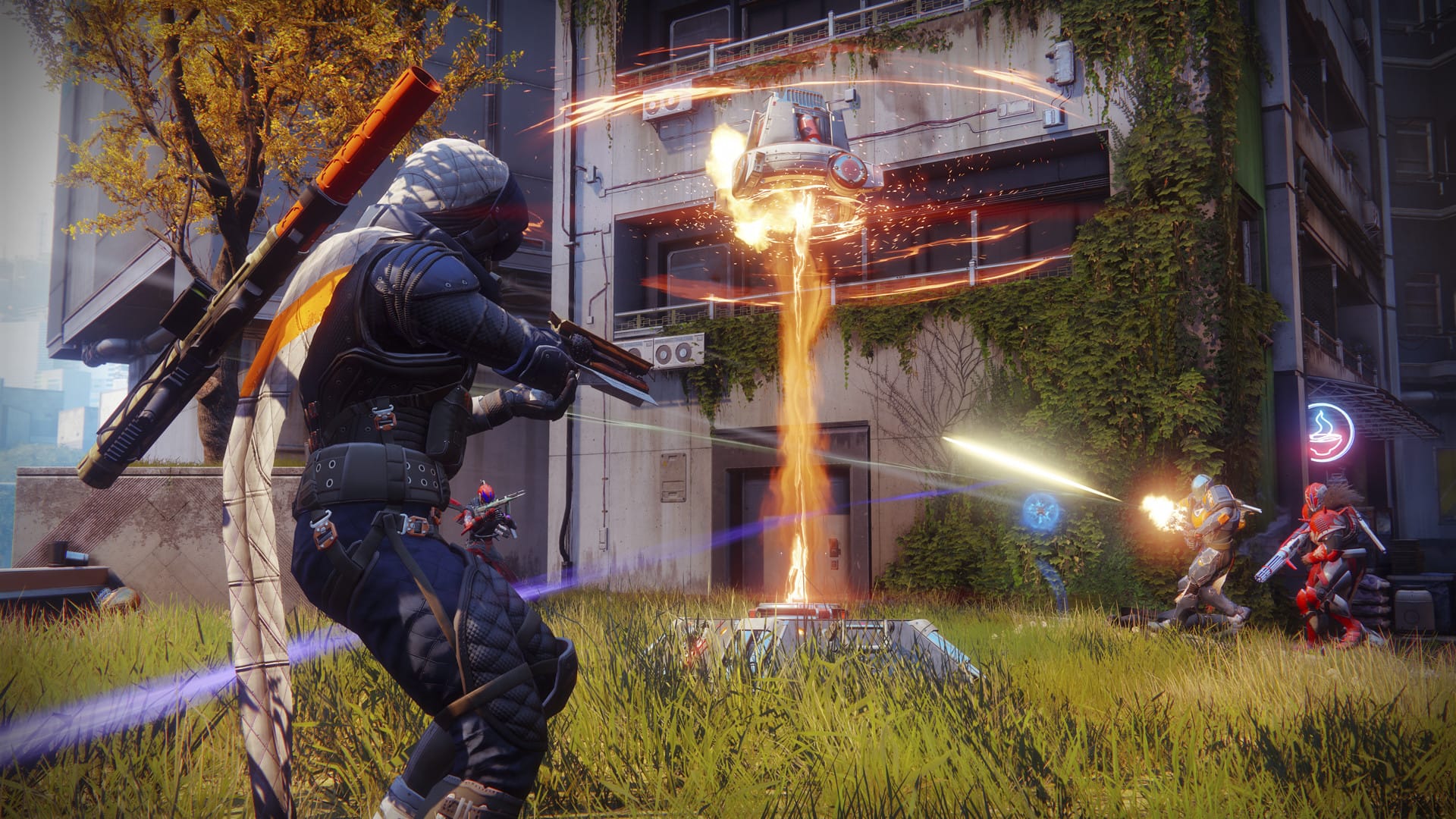
Every gunfight has a satisfying rhythm that’s hard to resist. Guns are gorgeously detailed, environments are fun to traverse and the action is positively kinetic every step of the way.
In terms of the much-vaunted technical improvements and graphical options that the PC version of Destiny 2 brings to the table, there’s not a whole lot to say about them other than that they are here - and that they make the game look really, really good. We did occasionally run into some downright-weird physics bugs in the game but otherwise the experience was an extremely smooth and playable one.
It helps that even the most boring guns in Destiny 2 are relentlessly fun to shoot and – on the other end of things – every named-item is underlined with witty commentary and evocative flavor text. Though the stat-crunching and loot-grind does occasionally make this feel like the McDonalds of first person shooters, it’s the kind of junk food that you’ll be happy to treat yourself to.
Destiny 2’s main story campaign isn’t super long. We made it through in just shy of ten hours, but it’s meaty enough that you won’t feel shortchanged.
Besides, it’s in long-tail appeal the end-game that Destiny 2 really shines. There’s Strikes – challenging missions that require players to coordinate their efforts in order to earn the best rewards – and the game’s player-versus-player component, which is called the Crucible. In the week’s since the game’s launch on PC, I spent more time in both of these pursuits than I did with the campaign.
The Bottom Line
There are a lot of reasons to be cynical about Destiny 2. Failing to bring the first game to PC was at best a mistake and, at worst, arrogance gone awry. However, even if you’re a jaded holdout like I was then you’ll probably have a great time with Destiny 2 on the PC.
As far as first-person looter experiences go, it’s probably the best the sub-genre has seen in some time and, even with the caveats, it’s a must-play for 2017 – especially if you can rope in a few friends.
 Fergus Halliday
 Fergus Halliday
 Fergus Halliday