Destiny 2: Shadowkeep (2019) review
Shadows of the past.

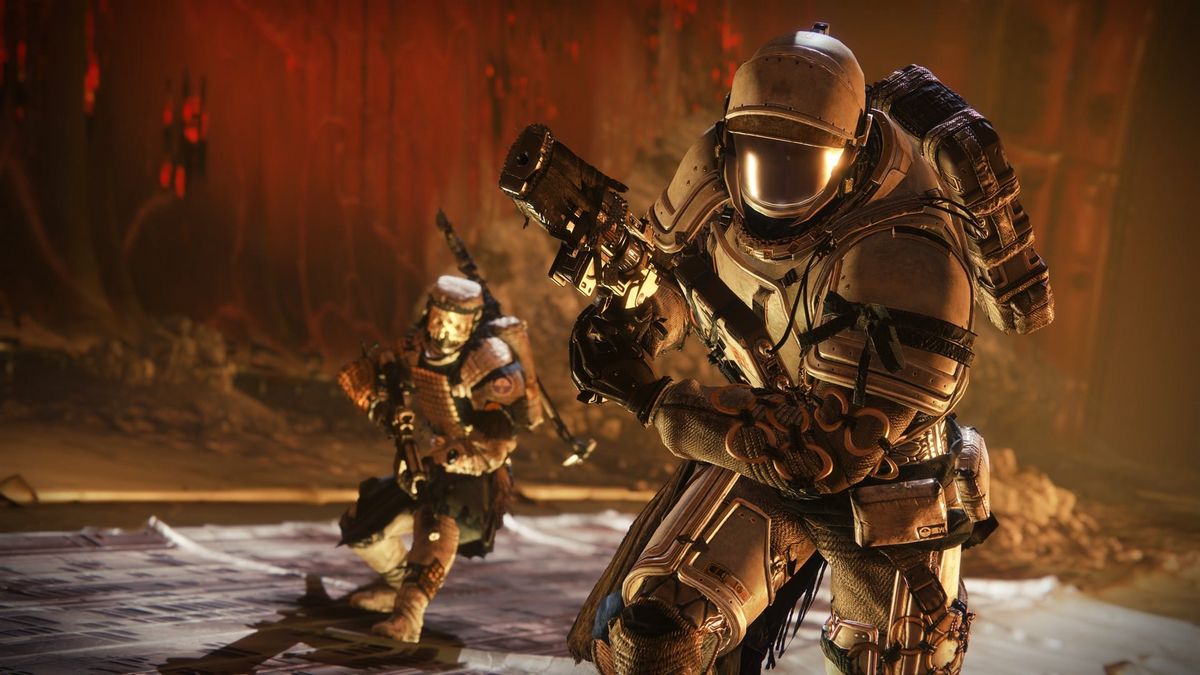
With the arrival of the newest expansion for the world’s most high profile loot shooter, Destiny 2 looks poised to become the game I wanted the original to be.
Yet, for all the ambition of Shadowkeep to act as a new beginning for the series, Bungie’s latest can’t help but remind me of the past.
Back when it was first teased – maybe even as early as the 2012 concept art leaks – I was a openly-ambivalent about Destiny as a franchise. On one hand, Bungie made Halo. On the other hand, they stopped bringing Halo to the PC after the second game in the series.
I liked the idea of an epic science fiction loot shooter where my in-game character, friends, achievements and loot would carry over from each adventure to the next. However, at that time, I was already playing World of Warcraft - which was already scratching that particular itch for me.
After the reality of the first two games in the franchise arrived, I couldn’t help but come away a little bitter. Irrational as it is, I felt wronged and let down by Bungie. Firstly, they didn’t bother to bring the first game to PC. Secondly, they eschewed the traditional expansion pack experience and transitioned straight into a full-price sequel only a few years after launch.
You couldn’t even take your character from one game to the next! If you’re promising the next World of Warcraft but delivering content through the same old business model of semi-annualised sequels like Call of Duty then what's even the point?
Now, with the launch of the game’s latest expansion Shadowkeep, it feels like Destiny 2 is at a turning point. Bungie have split ways with Activision and all eyes are on the now-independent studio to see what they do with that newfound freedom.
Based on a series of recent blog posts by Luke Smith, it sounds like they’ve got a few ideas. Bungie clearly want Destiny 2 to be a destination. A world where things are always happening, there are always reasons to come back and a place you had to be there to see it happen.
Of course, the Destiny experience has always been defined by the gulf between Bungie’s lofty promises of a dynamic evolving world and the oft-static status quo that they often deliver to players. Nevertheless, with Shadowkeep, it feels like the space between these poles is shrinking.
Part of this reality shift arrives in the form of the New Light free-to-play experience. The other comes in the form of Shadowkeep campaign, which summons veteran players back to the moon to deal with a resurgent Hive and literal epidemic of malevolent spirits called Nightmares.
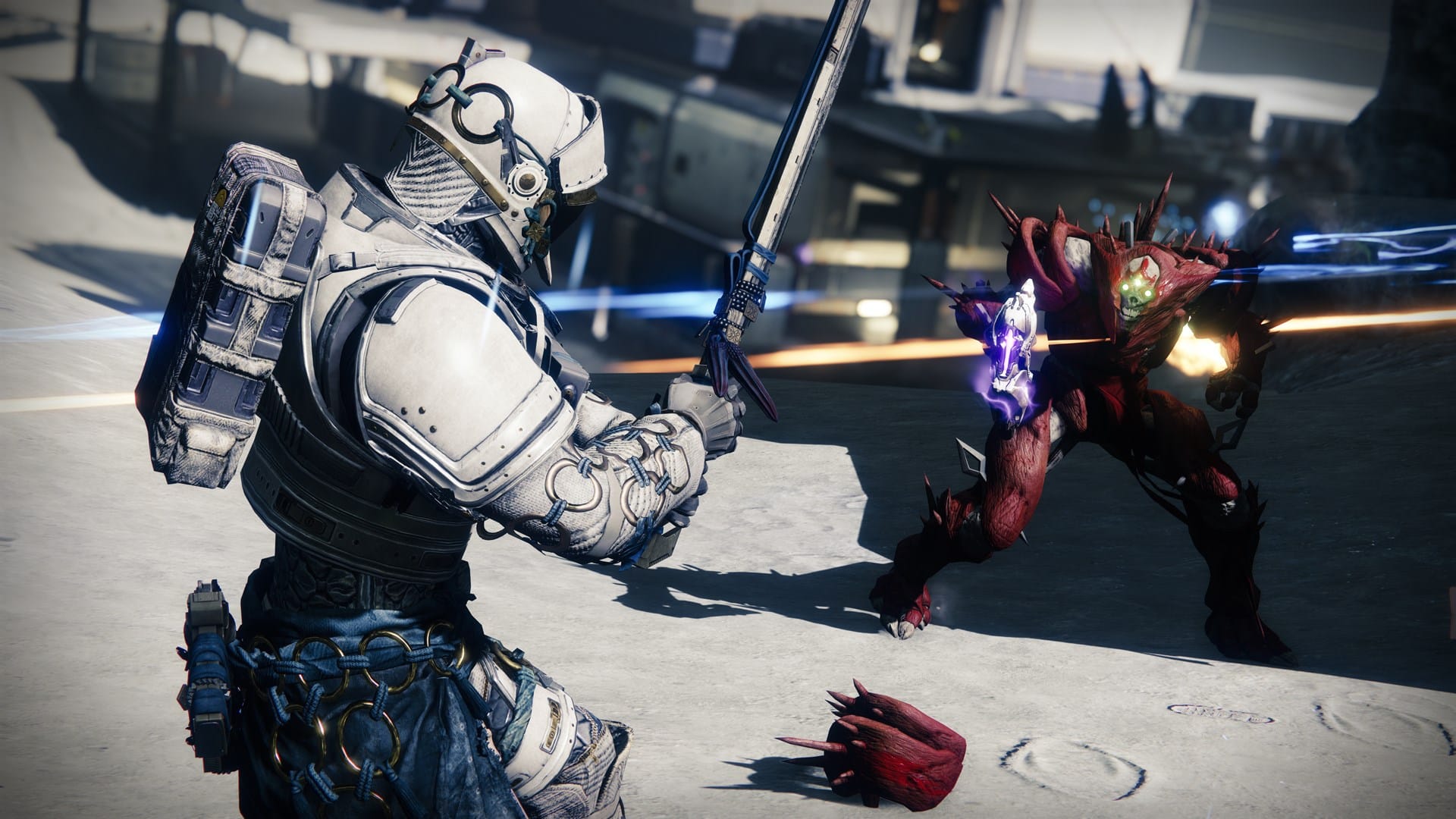
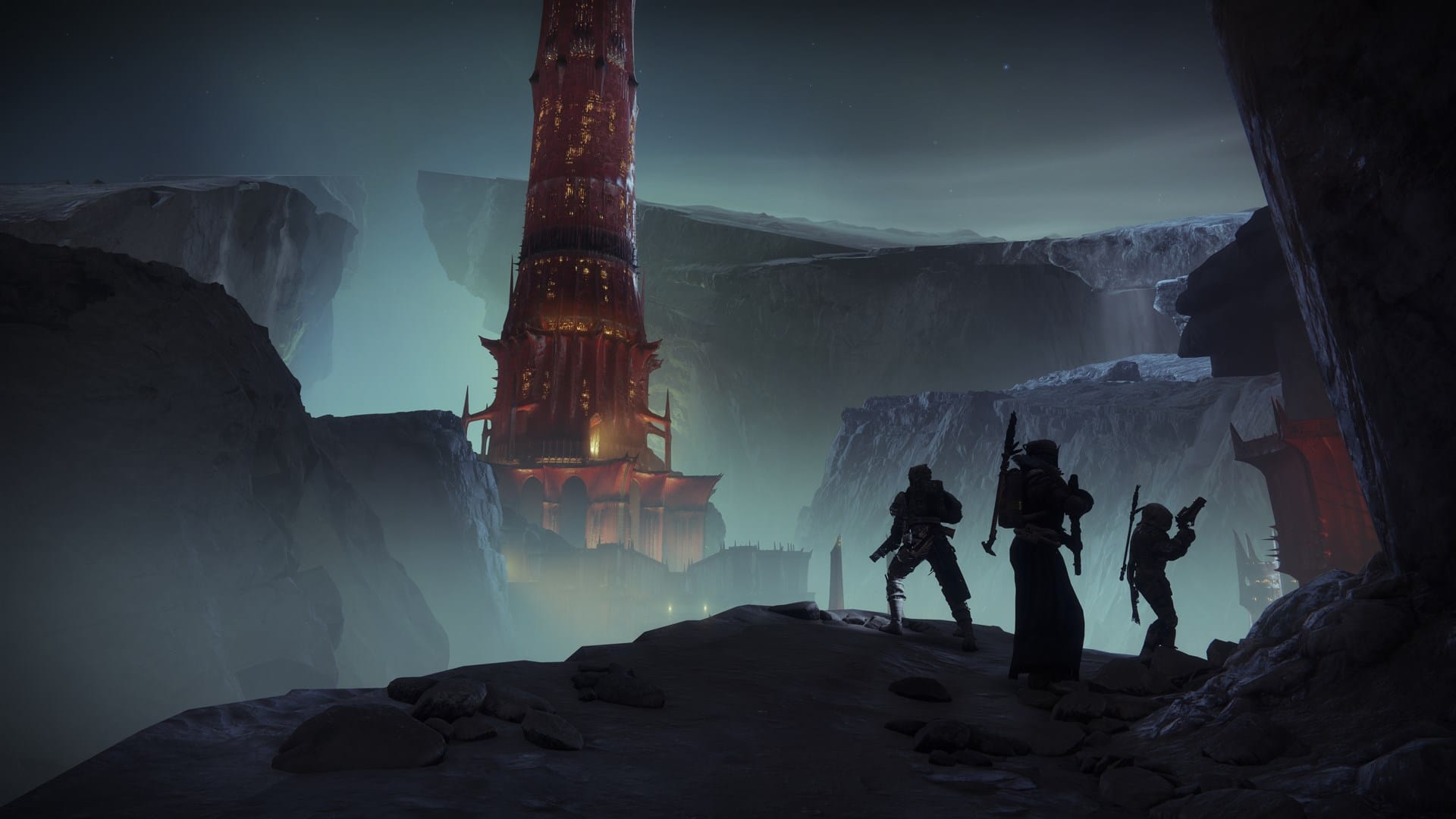
This isn’t the first time that this particularly moon has been haunted but it's certainly a good excuse for the franchise to make another visit. The version of the moon that players first explored in the original Destiny returns in Shadowkeep, albeit in an expanded and remixed form. Courtesy of a wealth of subterranean tunnels, additional lost sectors and the titular castle itself, there’s more than enough new stuff for it not to feel like a retread.
The amount of new story content in Shadowkeep isn’t particularly lengthy. For most, it'll only keep you busy for half a dozen more hours. Nevertheless, that adventure does have several pointed highlights and is relatively light on filler. If you’re a longtime fan or someone well versed on the series' lore, there are some major developments in the larger Destiny saga that are worth the price of admission alone.
Even so, it feels like the story here is mostly laying the groundwork for something bigger later down the track. Bungie say some of this will arrive through the new in-game seasons. In that sense, comparing Shadowkeep to the first episode of a new season of a TV series wouldn't be far off-base.
In typical Destiny fashion, the Shadowkeep campaign brings with mysterious machinations, dramatic speeches, additional currencies to keep track of, cool new guns to shoot, plus a few recycled boss fights from earlier incarnations of the franchise.
In other words, Shadowkeep sure is another Destiny expansion. It lacks the gravitas, scope or depth of 2018’s Forsaken but it's a damned sight better than earlier extensions to Destiny 2 like Warmind or Curse of Osiris.
The new expansion’s opening mission – a bombastic assault on the titular Scarlet Keep – and everything that follows reminded me a lot of my opening few hours with World of Warcraft’s first expansion, 2007's Burning Crusade.
More than just charmed by the mere sense of discovery, it left me seduced by the sheer wanton possibility of it all. Imagine having the time to fully sink into this game and see it.
Landing on the moon and exploring it with waves of new players felt exhilarating. It comes across as less like the climax of everything Destiny 2 has offered thus far and more like the beginning of a great new adventure. There’s an infectious energy and vibe about it. It's an exciting time to be getting back on that sparrow.
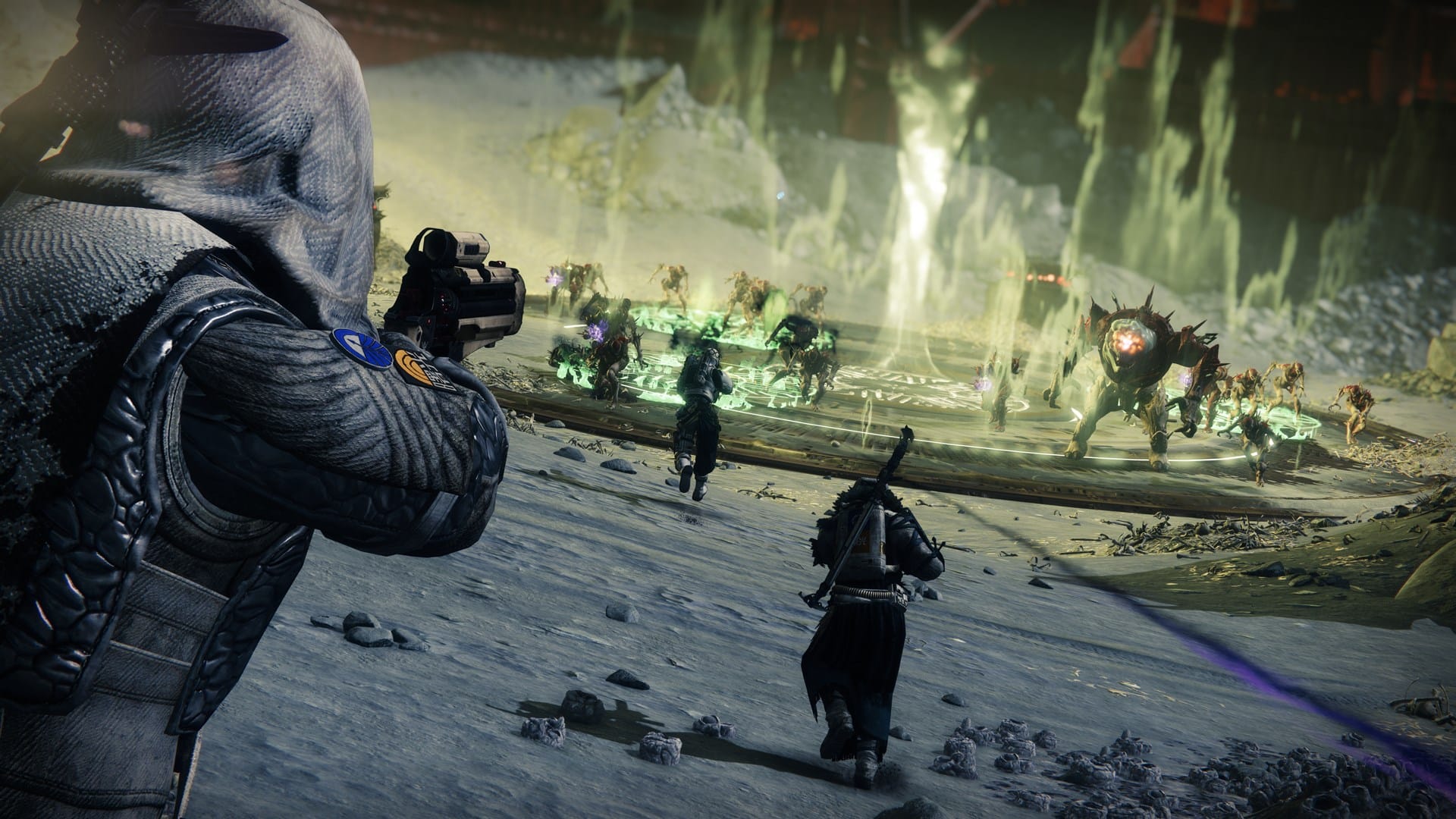
Unfortunately, other aspects of the overall package don’t fare as favorably. The absence of any real new enemy types is an undeniable disappointment and a significant step-down from the contributions Forsaken made on that front.
As with Warmind, you’re mostly stuck fighting a reskinned variants of the series’ existing stable of Hive combatants. This remains a bad habit I wish Bungie would break sooner rather than later.
Even Destiny’s worst expansions have ended things with a somewhat-memorable boss fight or two. Shadowkeep has little to offer in this department. The 'Nightmares' haunting the Moon are basically just tougher versions of existing enemies. Even if it’s novel to fight bosses like Crota again, it leaves the latter part of Shadowkeep feeling a bit flatter than it ought to.
The backdrop to your latest adventure is a picturesque treat but the rogue’s gallery feels a little stale.
Beyond the campaign itself, Bungie have also added new in-combat emotes to the game in the form of finishers. They’re still a fun – if weightless – addition to the core combat loop but they’re obviously a ploy to give you more to spend money on the game via micro-transactions, which may turn off some players.
The player-versus-player side of Destiny 2 has also received some pretty interesting changes. The previous ranked and unranked progression systems have been consolidated, Meanwhile, the main Crucible playlist has been split apart into a cocktail of different game modes once more. There’s two (sort-of) new maps that have been brought over from the first Destiny plus one (properly-new) on top of that.
In a bid to make Destiny 2’s endgame progression less or a grind, Bungie has also introduced a new way of customising your character’s look and stats. Billed as Armor 2.0, the new system allows you to improve and modify armor by equipping mods on it.
In a fun break from Destiny tradition, these mods aren’t consumed through use and the more resources you invest into any single piece of armor, the more and more powerful mods you can stack on it. On paper, the new system acts for a foundation of more stable build-crafting meta within the game – which could be really exciting news if you’re someone who plays a lot of Destiny 2 and not much else.
If you are that kind of Destiny diehard though, the biggest thing that comes with Shadowkeep is probably going to be what Bungie is now doing with in-game seasons.
Last year’s in-game seasons acted as three separate mini-expansions that drip-fed you content over the course of a couple of months. This year’s take on the idea works slightly differently.
The content itself will still roll out with a similar cadence. However, in addition to the rotating stable of new modes, quests and seasonal events – there’s also a battle pass component. Regardless of whether you’re on the free or premium tier (the latter costs extra), you’ll get unique rewards every time you fill up the XP bar at the bottom of the screen.
Compared to the previous free engram you got every time you did this, this feels like a small but super-meaningful change that makes everything you do have a little more value to it.
The other new progression mechanic that Shadowkeep introduces is the seasonal artifact. Each season, you’ll get a new artifact. Doing stuff in-game will power it up. A powered-up artifact nets you new item mods and adds to your total power level. There’s no limit to how powerful your artifact can get but it will reset when the season ends, so there’s a lot of room for experimentation.
How meaningful this mechanic will really prove to be in the long run remains to be seen but like many aspects of Shadowkeep, it presents intriguing long-haul possibilities. It excites your imagination more than it does your everyday reality.
The Bottom Line
For all the momentary thrills that Shadowkeep offers, the most compelling parts of the package ends up being what it sets up. It isn't the most fun I've ever had with Destiny 2 but it does make me want to stick around. I want to see how the multi-season storytelling works, how powerful my seasonal artifact can get, and what Bungie are willing to do to demand my attention stay with this loot-shooter over the next twelve months.
World of Warcraft has had plenty of better expansions since its first but none have ever felt quite as meaningful to me as that one did. The opening of the Dark Portal was one of the original you-had-to-be-there’s of online MMOs alongside the Gates of Ahn'qiraj and the destruction of The Matrix Online. Burning Crusade opened the floodgates and incited new possibilities. Shadowkeep does much the same.
Shadowkeep fails to eclipse or outshine Forsaken but it puts the next stretch of the Destiny saga in a position where it just might be able to do just that.